

The tragic death of Sana in Sheikhupura underscores a critical systemic challenge: the persistence of dowry violence in Pakistan. This incident, where a newly married woman was allegedly burned alive for insufficient dowry, demands a precise and calibrated response. Consequently, her battle for life ended after seven days, highlighting an urgent need for robust legal enforcement and societal re-calibration against such barbaric acts. Furthermore, this case emphasizes the critical role of institutional accountability in protecting vulnerable individuals and ensuring justice.
The Translation: Deconstructing the Sheikhupura Incident
On January 19, a horrific incident transpired in Ferozewala, Sheikhupura, as detailed in the First Information Report (FIR). Specifically, accused Asma Bibi allegedly poured petrol on Sana, setting her ablaze. Sana, who had married Ghulam Mustafa seven months prior and was a mother, suffered severe burns across 70 percent of her body. Critically, before succumbing on January 26, Sana identified her mother-in-law as the assailant. The police promptly registered a case based on the complaint from Sana’s brother, Mubarak Ali, and arrested the accused, initiating a thorough investigation.
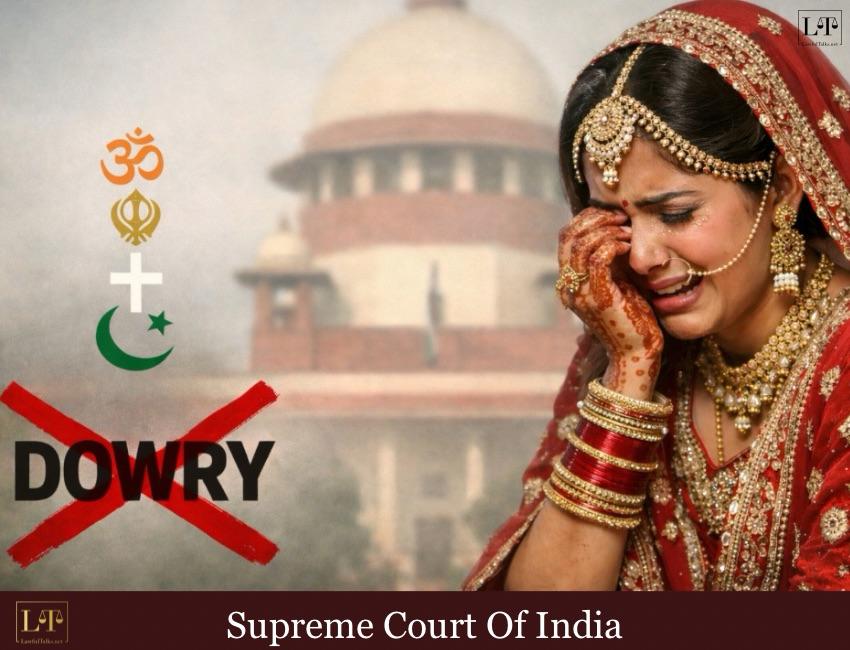
Socio-Economic Impact: The Cost of Dowry Violence in Pakistan on Society
This incident is not merely an isolated crime; rather, it represents a structural breach in the social fabric, profoundly impacting daily life. Firstly, it erodes trust within familial units, particularly for women entering new households. Secondly, such acts instill a pervasive fear, especially among young women and their families, regarding marital safety. Economically, dowry demands place immense pressure on households, often leading to debt and social ostracism. Consequently, the psychological toll on victims, their families, and the broader community is immeasurable, hindering the progress toward a secure and equitable society. This directly affects students, professionals, and households across urban and rural Pakistan, creating a baseline of insecurity.

The Forward Path: A Calibrated Response to Systemic Challenges
The response from state entities indicates a commitment to justice. Following directives from Punjab Chief Minister Maryam Nawaz Sharif, Chairperson of the Punjab Women Protection Authority, Hina Parvez Butt, swiftly sought a detailed report. Ms. Butt unequivocally stated that violence against women is intolerable, demanding no leniency for the accused. Concurrently, DPO Sheikhupura Bilal Zafar Sheikh assured strict legal punishment and a comprehensive investigation. This unified stance marks a critical intervention, emphasizing the state’s resolve to uphold the rule of law. Thus, these coordinated efforts aim to establish a precedent against such brutality.
Reinforcing Legal Frameworks and Social Norms to Combat Dowry Violence in Pakistan
Addressing the root causes of dowry violence requires more than punitive action; it necessitates a multi-faceted strategic approach. Specifically, this involves:
- Strengthening Enforcement: Ensuring rapid and impartial prosecution of all related offenses.
- Public Awareness Campaigns: Educating communities on the illegality and immorality of dowry demands.
- Support Systems: Establishing accessible support services for victims of domestic and dowry-related abuse.
- Legislative Review: Regularly assessing and updating laws to close loopholes and enhance victim protection.
- Educational Integration: Incorporating anti-dowry teachings into national curricula to foster a new generation committed to equity.
Momentum Shift: Eradicating Dowry Violence in Pakistan for a Safer Future
This development represents a Momentum Shift. The swift and coordinated response from provincial leadership and law enforcement, coupled with public outrage, signifies a growing intolerance for such systemic abuses. Furthermore, the commitment to rigorous investigation and punishment sends a strong signal that the baseline for justice is being reset. This proactive stance is a catalyst for broader societal change, aiming to dismantle the cultural norms that enable dowry violence. Consequently, it lays a structural foundation for a future where women’s safety and dignity are non-negotiable pillars of national advancement.








