Faisalabad Industrial Closures: A Strategic Path to Economic Revival
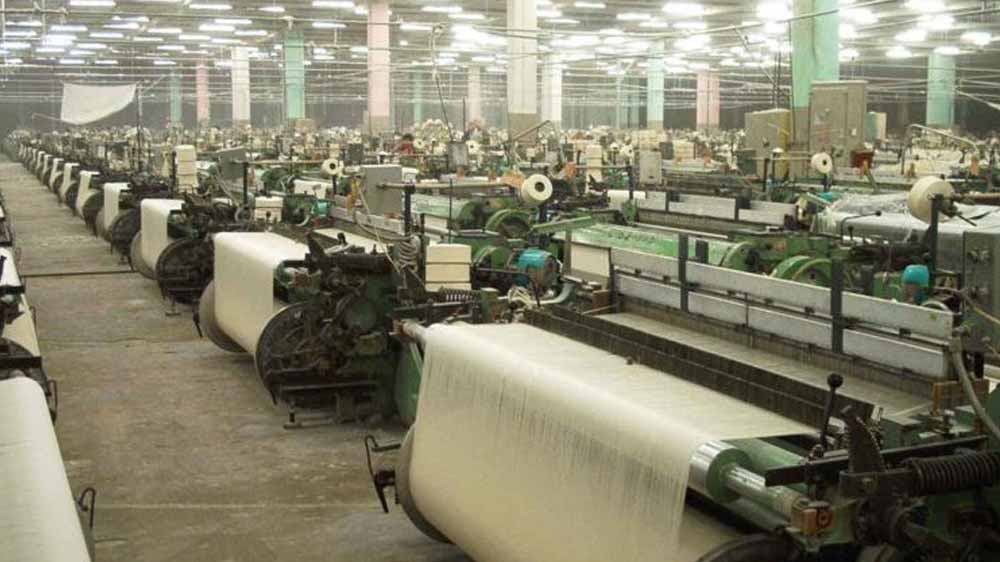
The structural integrity of Pakistan’s industrial framework faces a significant challenge as over 150 Faisalabad industrial closures have resulted in the unprecedented displacement of approximately 150,000 workers. This critical economic contraction stems primarily from persistent security concerns and complex policy-related hurdles. Consequently, numerous businesses have strategically relocated operations abroad. Federal Minister for Board of Investment, Qaiser Ahmed Sheikh, initiated a targeted assessment in Faisalabad, affirming the government’s calibrated commitment to mitigating these profound impacts and fostering a stable, growth-oriented industrial future.
The Translation (Clear Context): Decoding Faisalabad’s Industrial Contraction
The recent declaration by the Faisalabad Chamber of Commerce and Industry (FCCI) highlights a concerning trend: over 150 manufacturing units within Faisalabad have ceased operations. This cessation is not merely an isolated incident; rather, it represents a systemic response to a confluence of factors, specifically escalating security concerns and inconsistent policy frameworks. Consequently, the industrial landscape has contracted, leading to significant job losses. This situation underscores the critical necessity for a stable operational environment, where strategic policy implementation directly underpins industrial confidence and sustained investment.
Furthermore, the Federal Minister’s engagement with the Faisalabad Industrial Estate Development and Management Company (FIEDMC) signifies a proactive government stance. FIEDMC, recognized as a pivotal component of Pakistan’s industrial expansion, is now under review to address existing operational bottlenecks. The objective is to enhance its functionality, thereby making it a more attractive and stable hub for both local and international investors. This structured approach aims to reverse the current trajectory of Faisalabad industrial closures and stimulate robust economic activity.
The Socio-Economic Impact: Calibrating Daily Life for Pakistani Citizens
The closure of over 150 industries in Faisalabad directly impacts the daily lives of countless Pakistani citizens, translating into tangible socio-economic repercussions. For students, this signals a potential reduction in future employment opportunities, necessitating a re-evaluation of career pathways. Professionals, particularly those in the affected sectors, face immediate job displacement, leading to financial instability and increased competition for scarce roles. Consequently, households in both urban and rural Pakistan experience a ripple effect, with reduced purchasing power and heightened economic precarity.
Conversely, the government’s strategic interventions aim to stabilize this adverse trend. By addressing investment bottlenecks and enhancing industrial zones like FIEDMC, the objective is to regenerate employment and foster economic security. For instance, the proposed improvements in logistics, such as direct container transportation from Karachi Port and expanded rail connectivity, are designed to reduce operational costs for businesses. This, in turn, can stimulate industrial growth, create new job avenues, and ultimately improve the financial health and stability of Pakistani families.
The “Forward Path” (Opinion): A Strategic Stabilization Move
This development represents a Stabilization Move rather than an immediate Momentum Shift. While the scale of industrial closures and job losses is concerning, the direct and transparent engagement by the Federal Minister, coupled with the commitment to systemic improvements within FIEDMC and broader policy frameworks, indicates a critical effort to arrest further decline. The focus on resolving “on-ground issues” and enhancing logistical efficiencies demonstrates a pragmatic approach to re-establishing a baseline of industrial confidence.
However, the long-term success hinges on the precise execution of these announced reforms and a sustained commitment to policy predictability. Achieving a true “Momentum Shift” will require not only addressing current challenges but also implementing forward-looking industrial policies that proactively attract new investment and foster innovation. The proposed feasibility studies and funding support from industrial leaders like Mian Mansha exemplify the collaborative effort essential for recalibrating Pakistan’s industrial trajectory towards sustained growth.

Key Strategies for Industrial Revitalization in Faisalabad
- Security Enhancement: Implementing robust measures to ensure investor confidence and operational stability.
- Policy Streamlining: Developing consistent and predictable industrial policies to attract and retain businesses.
- FIEDMC Optimization: Addressing bottlenecks and enhancing infrastructure within industrial estates to boost functionality.
- Logistics Improvement: Facilitating direct container transport and improving rail connectivity to reduce operational costs and enhance trade efficiency.
- Stakeholder Engagement: Maintaining continuous dialogue with business communities to identify and resolve practical issues.
Government’s Commitment to Industrial Growth
The government, under Prime Minister Shehbaz Sharif, explicitly commits to resolving the myriad issues faced by the industrial community. Consequently, existing bottlenecks at FIEDMC will be systematically addressed, making the estate more functional, stable, and inherently attractive for both local and foreign investors. The Minister, drawing from his deep association with Chiniot’s renowned furniture industry, possesses a clear understanding of manufacturing challenges. He affirms that investment promotion remains a paramount government priority, recognizing industrial expansion as the definitive catalyst for national economic strengthening.
Progress in Special Economic Zones
Chairman FIEDMC, Rana Azhar Waqar, provided a comprehensive briefing on the current status of Special Economic Zones. He reported that 90 factories were established by 2025, with an additional 26 units now operational. Furthermore, development work on 31 more industrial units is actively underway. This incremental progress underscores the systematic efforts to expand Pakistan’s industrial capacity and diversify its economic base, despite the prevalent challenges of Faisalabad industrial closures.
Collaborative Solutions for Logistics and Trade
Discussions at Mian Mansha’s factory focused on critical logistical enhancements. These included initiating direct container transportation from Karachi Port to FIEDMC, strategizing for significant reductions in logistics costs, and promoting rail-based freight movement. Crucially, the plan encompasses improved railway connectivity, linking key industrial centers like Faisalabad and Chiniot with major national and international trade routes. Mian Mansha has proactively offered to prepare comprehensive feasibility studies and provide essential support in funding and financing to expedite these vital initiatives. This collaborative spirit is instrumental in overcoming the challenges presented by Faisalabad industrial closures and strengthening Pakistan’s economic backbone.