
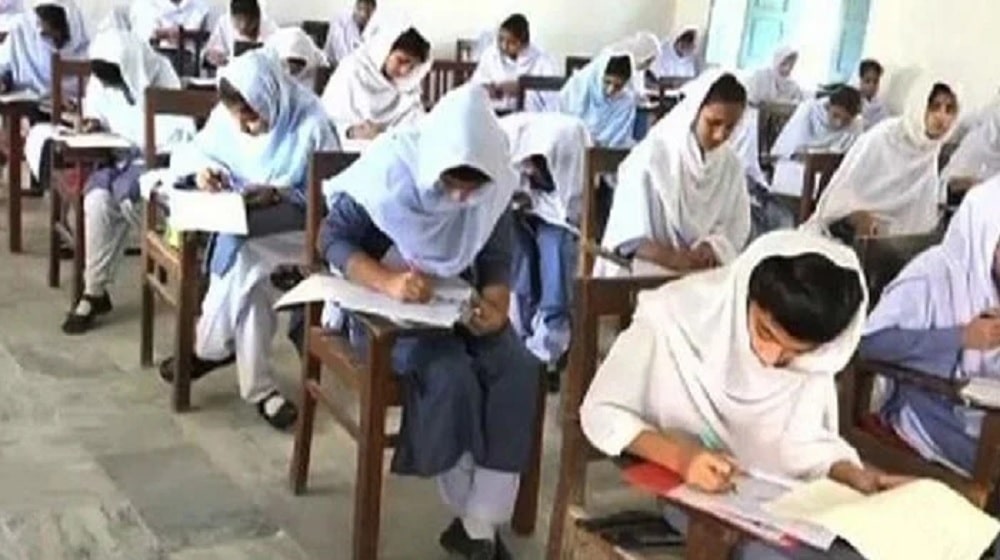
Pakistan’s educational framework demands strategic adaptation. Consequently, a pivotal development concerning the Grade 8 Exams Punjab has emerged, as the Punjab Examination Commission (PECTA) faces a significant fiscal challenge. PECTA, constrained by limited financial resources, is now evaluating a refined approach for conducting these crucial examinations. This calibrated decision impacts over one million students, directly influencing their academic assessment and progression.
The Translation: Navigating Resource Constraints in Education
Technical assessments indicate PECTA requires approximately Rs1 billion to execute the province-wide examinations with complete transparency. However, existing budgetary limitations preclude a full-scale operation. Therefore, PECTA is proactively consulting with the Punjab government to secure the necessary funding. The initial proposal suggests a focused examination structure, limiting assessments to four core subjects: Urdu, English, Mathematics, and Science. This represents a pragmatic response to financial realities, ensuring essential academic benchmarks are met.
Streamlining the Examination Process
Significantly, the logistical overhead for these exams is substantial. Officials project a requirement of approximately 50,000 invigilators, who will receive daily remuneration for their assessment duties. To enhance system efficiency, students will bypass the traditional admission form submission; all individuals registered on the School Information System (SIS) will automatically receive their roll number slips. This structural improvement simplifies administrative burdens for students and institutions alike.
The Socio-Economic Impact: Daily Life and Academic Trajectories
This strategic recalibration of the Grade 8 Exams Punjab directly influences the daily lives of Pakistani citizens. For students, a reduced subject load could potentially alleviate examination stress, allowing for a deeper focus on fundamental disciplines. Conversely, it might narrow the scope of evaluated knowledge. Families in both urban and rural Pakistan will experience reduced financial burdens associated with extensive exam preparations and private tuition for a broader array of subjects. Furthermore, the employment of 50,000 invigilators provides temporary economic opportunities, injecting funds into local communities. This measured response aims to balance educational standards with fiscal responsibility, creating a more sustainable student examination process.
Curriculum Focus and Skill Development
The concentration on core subjects prompts a re-evaluation of curriculum priorities. It encourages institutions to fortify foundational skills in language, computation, and scientific reasoning. This precise focus ensures that, even with constrained resources, the educational system prioritizes critical competencies for future academic and professional success. It signifies a move towards optimizing educational output under prevailing conditions.

The Forward Path: A Stabilization Move for Educational Resilience
From an analytical perspective, this development represents a Stabilization Move rather than a broad “Momentum Shift.” It is a necessary recalibration to maintain the integrity of the examination system amidst fiscal pressures. While not an expansive reform, it establishes a baseline for continued assessment. The decision reflects a disciplined approach to resource management within the educational sector. It ensures that the critical function of evaluating student performance persists, even as systemic efficiencies are sought. Ultimately, this strategic adaptation aims for resilience, safeguarding the continuity of academic progression for the next generation of Pakistanis.








