Strategic Imperatives: Protecting ICC Financial Stability
Former Pakistan captain Rashid Latif has issued a critical warning: a potential boycott by Pakistan against India in major cricketing events, including World Cup tournaments, could severely compromise the International Cricket Council’s financial stability. This strategic decision would not merely disrupt individual matches; it represents a systemic threat to the ICC’s governance structure and the global calendar, challenging the sport’s economic baseline. Consequently, this bold stance carries profound consequences for international cricket, extending far beyond the immediate competitive landscape. The core issue revolves around maintaining ICC Financial Stability.
The Translation: Deconstructing the Systemic Risk
Latif’s analysis, articulated via a post on X, clarifies that such a boycott signifies more than a temporary withdrawal. He states this would be formally recorded as an official, sustained protest, impacting multiple tournaments. Furthermore, this action is projected to extend its reach to future high-profile events, encompassing the 2027 World Cup, the Women’s World Cup, and the Under-19 World Cup, alongside all scheduled Asia Cup matches. The implications are clear: the ICC’s established governance model and its significant financial reliance on the marquee India–Pakistan fixtures face direct challenge. The intricate global calendar, moreover, faces substantial disruption.
Economic Pressures on Global Cricket Governance
Latif precisely outlines how this situation could escalate. India is slated to host the Champions Trophy in 2029 and co-host the 2031 World Cup with Bangladesh. Organizing these pivotal tournaments demands robust diplomatic frameworks. Under boycott conditions, such arrangements could become exceptionally difficult to sustain. A further destabilizing factor arises if Bangladesh also opts not to co-host with India, potentially propelling international cricket into severe administrative and financial distress. Precision in planning becomes critical for mitigating such risks.
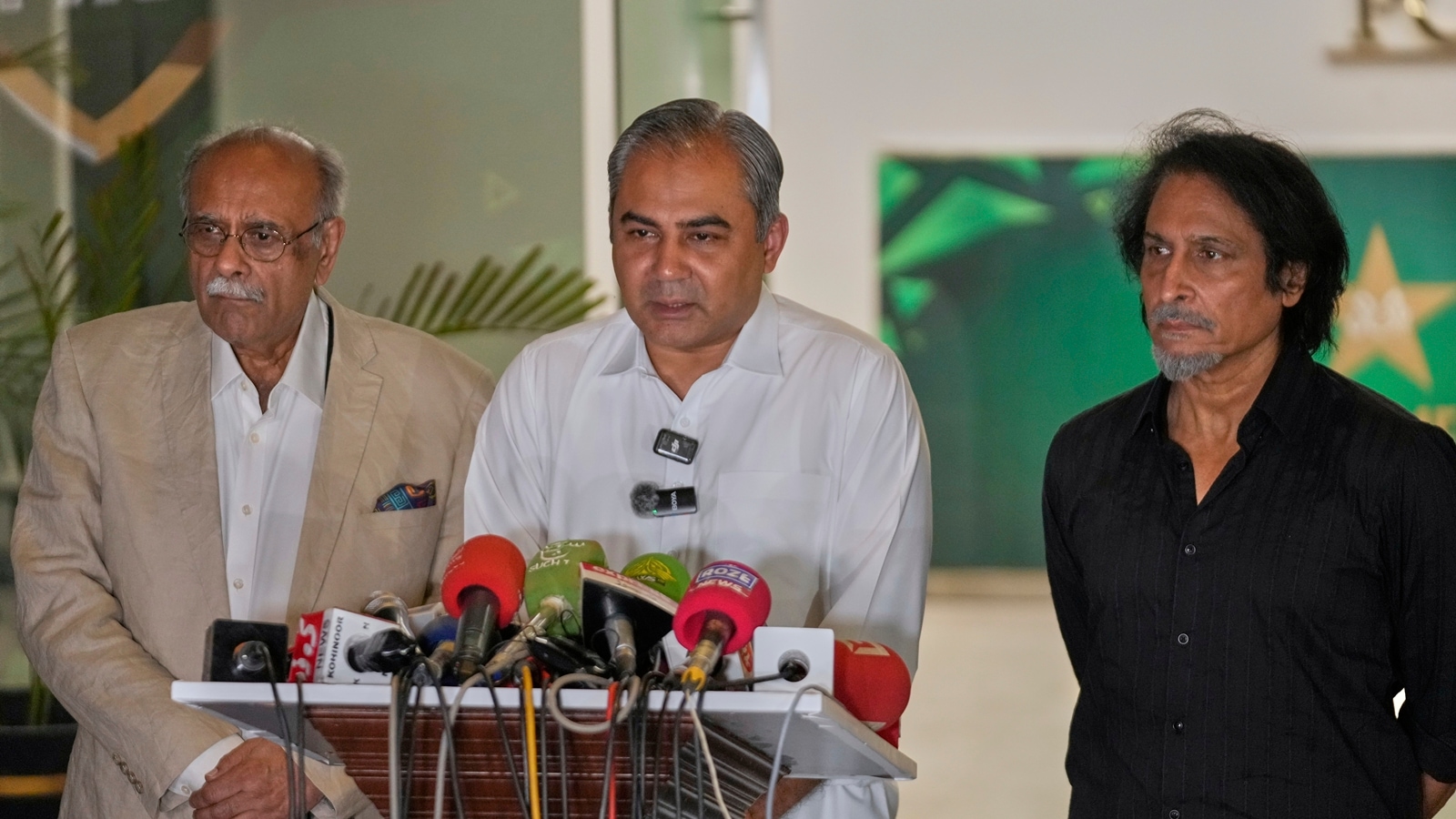
The economic ramifications are equally dire. Latif emphasizes that without the high-value India–Pakistan matches, broadcasters are compelled to reassess their investment portfolios. This strategic reevaluation places billions of dollars in crucial broadcast revenue and the entire global scheduling apparatus at significant risk. Therefore, the ripple effect on funding for development programs and smaller cricketing nations is considerable, directly impacting global Cricket Broadcasting Revenue. The entire ecosystem requires calibrated stability to protect its economic foundations.
The Socio-Economic Impact: Calibrating Daily Life in Pakistan
How does a potential cricket boycott recalibrate the daily life of a Pakistani citizen? For students aspiring to professional cricket careers, the absence of high-profile international fixtures could severely limit exposure and opportunities. Professionals in sports journalism, marketing, and event management would face curtailed career prospects due to a diminished national and international calendar. Furthermore, households across urban and rural Pakistan, for whom cricket provides significant entertainment and cultural cohesion, would experience a tangible void. The broader economic impact on related industries, from hospitality during major tournaments to local businesses benefiting from fan engagement, would be measurable. This structural shift underscores the interconnectedness of sport and national well-being.
The Forward Path: Momentum Shift or Stabilization Move?
This development undeniably represents a Momentum Shift, albeit in a potentially regressive direction. While a boycott might be perceived as a forceful political statement, its structural damage to the ICC’s financial bedrock and the integrity of global cricket governance could be profound. It risks isolating Pakistan within the international sporting arena, hindering rather than advancing its long-term strategic objectives in cricket. A more constructive path involves leveraging diplomatic channels to resolve disputes, thereby ensuring Pakistan’s continued influence within its global framework. Strategic engagement, not isolation, is the catalyst for genuine progress and stability.