Architecting Clarity in Pakistan Property Inheritance
The Supreme Court of Pakistan has issued a structural ruling, explicitly confirming that legal heirs automatically assume landlord status upon a property owner’s demise. This pivotal decision simplifies the transition of tenancy, eliminating the necessity for new rent agreements. This directive provides a clear baseline for Pakistan property inheritance, ensuring continuity in property management and tenant obligations. Consequently, tenants are now legally bound to acknowledge the lawful heirs as their landlords, remitting rent upon notification of succession, thereby streamlining the nation’s property frameworks.
The Translation: Decoding Property Succession Dynamics
This ruling fundamentally calibrates the legal framework surrounding inherited properties. Specifically, the Supreme Court’s two-member bench, led by Chief Justice of Pakistan Yahya Afridi, affirmed that succession operates directly by law. This means legal heirs seamlessly step into the landlord’s role, requiring no fresh tenancy contract or formal ‘attornment’ – a legal term signifying a tenant’s acknowledgment of a new landlord. The court decisively dismissed tenant appeals challenging a Sindh High Court eviction order, reinforcing the legal integrity of its decision.
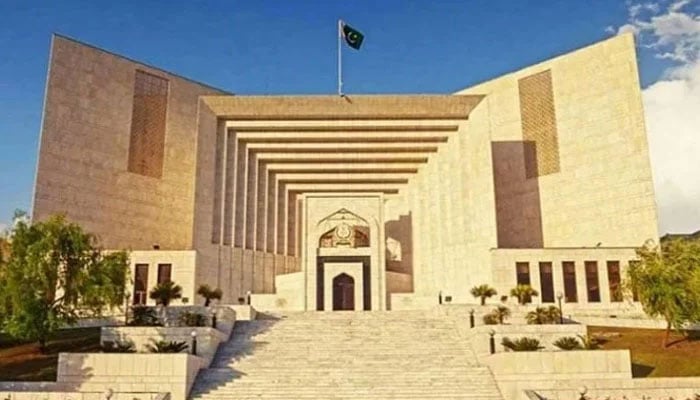
Furthermore, the judgment clarifies that withholding rent, even if the claimant represents only a portion of the heirs, is untenable. Tenants who continue to deposit rent in a deceased landlord’s name after receiving notice of succession commit willful default. This specific action can, and will, lead to eviction proceedings. Therefore, immediate recognition and proper payment channels become critical for all parties involved in Pakistan property inheritance scenarios.
The Socio-Economic Impact: Stabilizing Tenancy for Pakistani Citizens
This judicial directive significantly impacts the daily lives of Pakistani citizens across urban and rural landscapes. For professionals, students, and households, it establishes a transparent and predictable legal pathway for property management post-demise. Previously, ambiguities surrounding landlord transitions could cause prolonged disputes, financial instability for heirs, and uncertainty for tenants. Consequently, this ruling minimizes potential disruptions, allowing heirs to access income swiftly and tenants to understand their obligations clearly.
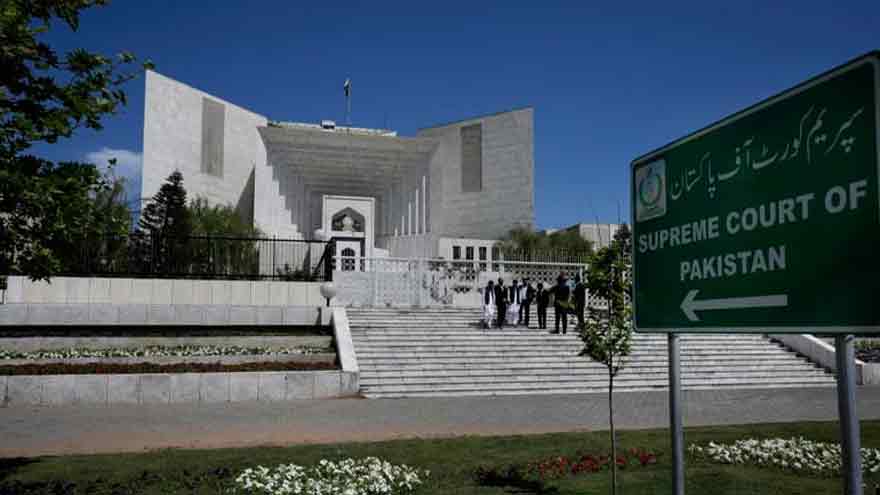
The calibrated clarity prevents exploitation of legal vacuums. It protects heirs from loss of income while simultaneously ensuring tenants are not subjected to arbitrary demands from multiple claimants. This structural adjustment strengthens the rule of law within the housing sector, fostering greater confidence in property transactions and long-term rental agreements. Ultimately, it provides a foundational stability that benefits all stakeholders.
The “Forward Path”: A Strategic Stabilization Move for Property Law
From an architectural perspective of national advancement, this Supreme Court ruling represents a Stabilization Move rather than a sudden “Momentum Shift.” It systematically clarifies existing legal principles, solidifying the operational baseline for Pakistan property inheritance. This decision does not introduce novel legal concepts; rather, it strategically reinforces the efficacy of established succession laws.

Its impact is critical in optimizing system efficiency. By removing ambiguities, it reduces litigation, frees up judicial resources, and promotes swifter resolution of property disputes. Furthermore, this precise calibration enhances legal certainty, which is a foundational component for a robust and predictable socio-economic environment. It ensures the structural integrity of property rights, paving the way for more confident investment and development.