
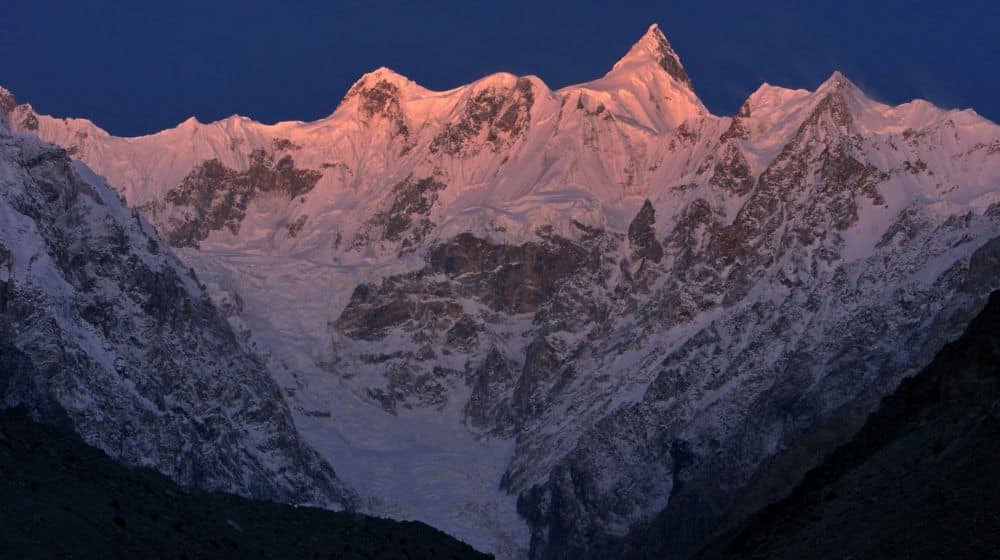
A Calibrated Response to Glacial Melt
Pakistan has strategically initiated a National Glaciers Preservation Strategy, a pivotal framework designed to mitigate the escalating threats from accelerated glacier melt. This calibrated response directly addresses critical water security Pakistan challenges and safeguards vulnerable mountain communities across the nation. Currently, the Ministry of Climate Change and Environmental Coordination is driving comprehensive stakeholder consultations, ensuring robust inputs from diverse federal, provincial, and expert entities. Consequently, this Pakistan Glacier Strategy establishes a structural national framework, enhancing systemic resilience against profound glacier-related impacts on vital water resources, delicate ecosystems, and the livelihoods of downstream populations.
The Translation: Understanding Pakistan’s Glacier Strategy
The term “National Glaciers Preservation Strategy” denotes a comprehensive, government-led action plan. It moves beyond reactive measures, aiming for proactive management of Pakistan’s extensive glacial systems. Crucially, the strategy integrates systematic glacier monitoring and the rigorous incorporation of glacial data into national and provincial water planning frameworks. This precision in data utilization is fundamental. It empowers officials to forecast and manage future water risks directly linked to climate change, a baseline for informed decision-making. Furthermore, the initiative strengthens early warning systems, particularly for mitigating the severe risk of glacial lake floods, which pose serious threats to high-risk settlements and infrastructure. Effective implementation demands a unified federal and provincial approach.
Socio-Economic Impact: Water Security for Every Pakistani
The implementation of the Pakistan Glacier Strategy holds profound implications for the daily lives of Pakistani citizens. For students in urban centers, this structural intervention promises greater stability in freshwater availability, supporting educational continuity without disruption from water shortages. Professionals, particularly in agriculture and industry, gain from more predictable water flows, enabling robust economic planning and reducing climate-induced operational vulnerabilities. Rural households, especially those in glacier-dependent regions, benefit directly from enhanced early warning systems for glacial lake outburst floods (GLOFs), providing critical protection and peace of mind. Ultimately, this strategy ensures a resilient infrastructure for essential water resources, impacting everything from domestic consumption to national food security.
Pakistan is home to one of the largest concentrations of glaciers outside the polar regions. Experts have warned that rising temperatures are accelerating melt rates. This phenomenon escalates flood risks in the immediate term and anticipates critical water shortages in the long run. Therefore, this strategy represents a vital climate adaptation strategy for the nation.
The Forward Path: A Momentum Shift for Climate Resilience
This National Glaciers Preservation Strategy represents a decisive Momentum Shift for Pakistan’s climate resilience agenda. It moves beyond incremental adjustments, establishing a comprehensive, data-driven framework essential for long-term sustainability. The strategic emphasis on systematic monitoring, integrated planning, and early warning systems underscores a proactive commitment to national advancement. This approach not only addresses immediate environmental threats but also lays a structural foundation for future generations, securing a vital natural resource for Pakistan’s continued progress and prosperity.








