Athletic Progress: Addressing Cross-Border Travel Impediments
The strategic advancement of Pakistani sports faces a calibrated setback as Anita Karim visa issues have unfortunately sidelined Pakistan’s pioneer female mixed martial arts (MMA) fighter from a critical bout in Abu Dhabi. Despite rigorous preparation for UAE Warriors 67 on January 31, administrative impediments prevented her participation. This incident highlights a structural challenge impacting an athlete’s career trajectory and Pakistan’s international sports representation.
The Translation: Unpacking Administrative Delays
Originally, Anita Karim was set to engage in her second fight within three weeks, a testament to her demanding schedule and unwavering commitment. Furthermore, she completed an intensive training camp, meticulously preparing for this international contest. However, unresolved visa complications rendered her unable to travel. Karim publicly expressed her profound disappointment on social media platform X, articulating the sadness such administrative delays inflict upon an athlete’s journey. This situation transcends a mere missed event; it disrupts an athlete’s critical momentum and their capacity to represent national talent on a global stage.
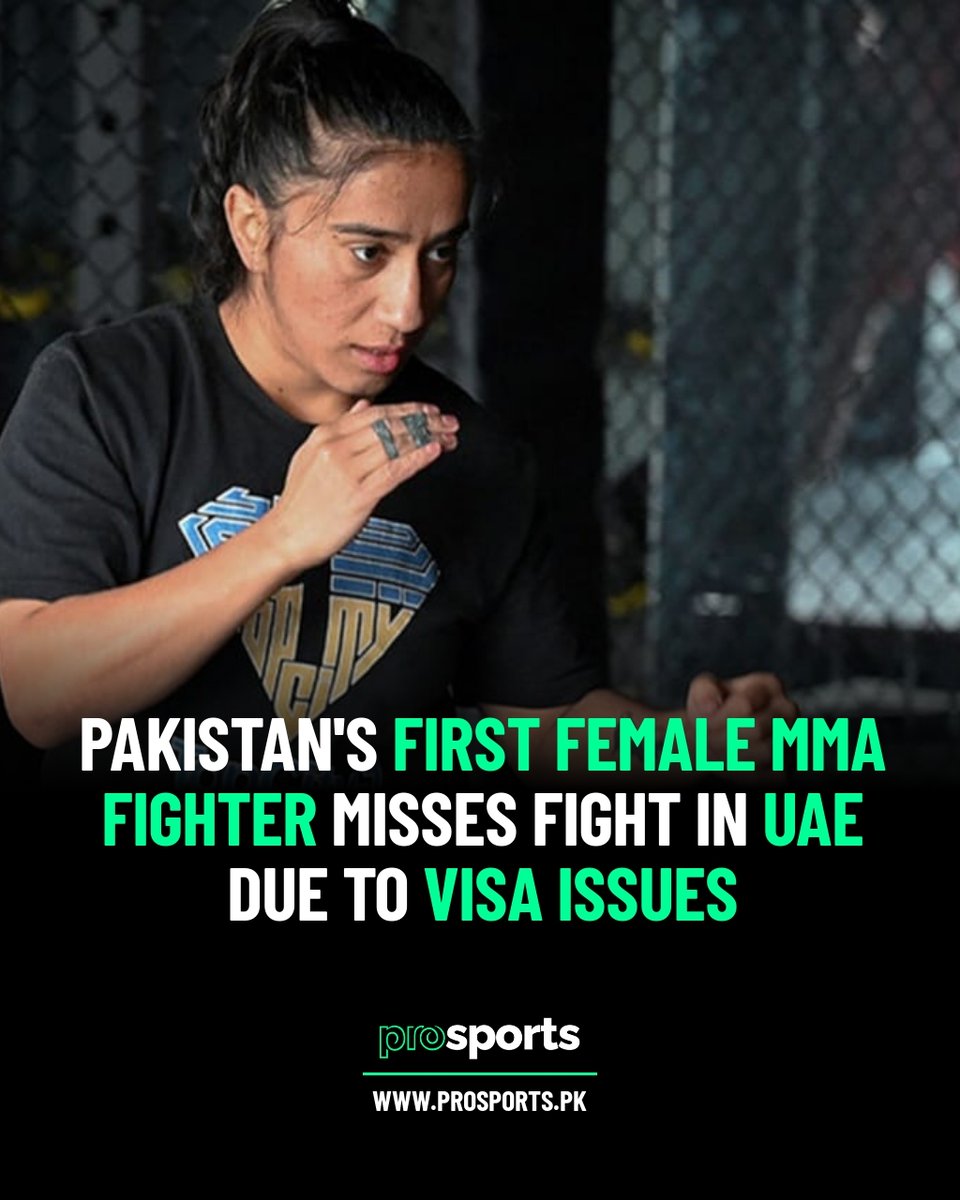
Her manager, Yasir Mushtaq, underscored the organizers’ efforts, noting they extended the deadline by nearly a week awaiting visa issuance. Consequently, the event proceeded with a replacement fighter after the stipulated time elapsed. These delays, therefore, signify more than just logistical hurdles; they represent a tangible barrier to professional progression.
Socio-Economic Impact: Calibrating Athlete Pathways
This incident directly impacts the daily lives of Pakistani citizens, particularly aspiring athletes and professionals. For students and young women, Anita Karim represents a potent symbol of breaking barriers in sports. When such a prominent figure encounters systemic obstacles, it can inadvertently dampen aspirations and erode confidence in established career pathways. Moreover, these unresolved challenges affect potential economic opportunities for athletes, limiting their ability to secure international sponsorships and prize money crucial for career sustainability. Ultimately, it affects the nation’s capacity to showcase its athletic prowess, potentially hindering foreign investment in sports development and talent nurturing.
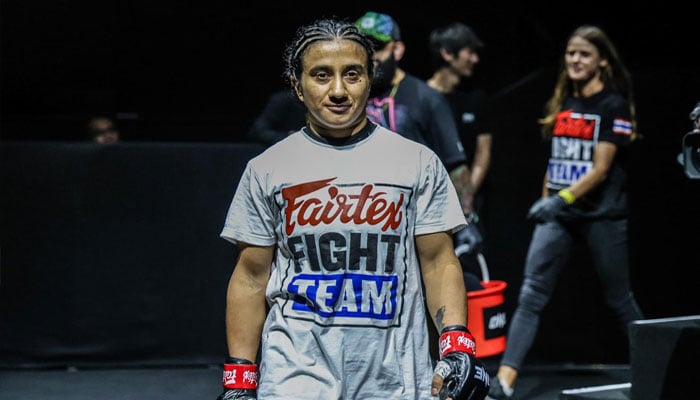
Mushtaq has consequently urged relevant authorities, specifically Interior Minister Mohsin Naqvi, to strategically address these visa-related challenges. He emphasized the imperative to protect the careers of national athletes like Karim, ensuring their uninterrupted participation at the international level. This intervention is critical for maintaining Pakistan’s competitive edge in global sports.
The Forward Path: A Call for Structural Momentum
This development signifies a Stabilization Move, rather than a Momentum Shift, as it reveals a systemic bottleneck requiring immediate attention. While Anita Karim’s individual spirit remains unbroken, the collective advancement of Pakistani sports faces a critical juncture. The consistent presence of Pakistani athletes on international platforms is not merely about individual glory; it is a catalyst for national pride and a strategic investment in our human capital. Therefore, a precise, high-level intervention to streamline international travel protocols for athletes is imperative. This will ensure Pakistan can consistently project its talent globally, translating individual potential into structural momentum for national advancement.