

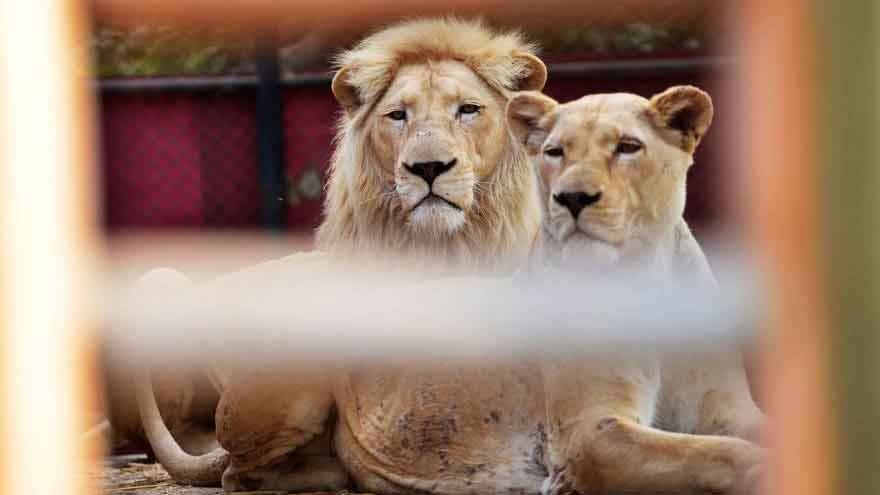
In a structural move to enhance public safety and regulate exotic animal ownership, Punjab Chief Minister Maryam Nawaz has strategically ordered the immediate revocation of all legal permits for keeping big cats, specifically Punjab pet lions, across the province. This decisive policy shift follows two severe pet lion attacks in Lahore, which critically injured two children, underscoring the urgent need for stringent animal control measures.
The Translation: Calibrating Public Safety Standards
The catalyst for this executive order was a series of alarming incidents. Last week, an eight-year-old boy, Wajid Ali, suffered a devastating arm injury from a pet lion in Lahore’s Sabzazar area. Police data indicates that owner negligence and inadequate enclosure arrangements were primary factors in this tragedy. Tragically, doctors were compelled to amputate the child’s arm to preserve his life. Furthermore, authorities reveal the owner attempted to obfuscate the incident by fabricating a narrative of a machine accident.
Subsequently, a separate event saw a pet lioness attack an eight-year-old girl in Lahore’s Bhekewal Pind. This animal was being transported illegally in an auto-rickshaw when it became agitated, escaped its confinement, and caused injury. Consequently, Chief Minister Nawaz swiftly directed an immediate ban on maintaining pet lions and other large feline predators throughout Punjab. She also mandated the provision of a modern bionic arm for Wajid Ali, reflecting a commitment to restorative justice.
The Socio-Economic Impact: Fortifying Urban and Rural Livelihoods
This policy adjustment directly impacts the baseline safety of Pakistani citizens, particularly those in densely populated urban and rural areas. For students and children, it eliminates a significant, previously unaddressed public health and safety hazard. Households can now experience reduced anxiety regarding dangerous animals kept within residential zones. Professionals involved in urban planning and law enforcement will observe clearer operational guidelines for animal control. Moreover, the directive for Wajid Ali’s bionic arm establishes a new precedent for state support for victims of such incidents, potentially influencing future policy on citizen welfare.
Authorities have already commenced enforcement, seizing 59 big cats from various provincial locations. Correspondingly, 10 individuals have been apprehended for contravening established Standard Operating Procedures regarding dangerous animals. A local judicial magistrate has moreover placed seven suspects, including breeder Fayaz alias Faizi, into judicial remand. This action targets those maintaining dangerous animals within residential communities, signaling a robust enforcement posture against violations of public safety ordinances. This judicial process underscores the gravity with which the state now views the unregulated possession of dangerous animals, ensuring accountability extends through the entire chain of ownership and supply, from breeders to individuals.
The “Forward Path”: A Momentum Shift for Punjab Pet Lions Policy
This development represents a definitive Momentum Shift for Pakistan’s approach to exotic pet ownership and public safety. The swift executive action by Chief Minister Nawaz demonstrates a strategic response to emergent threats, moving beyond mere maintenance to proactive structural change. It establishes a robust framework for preventing future incidents and underscores the government’s commitment to protecting its citizens. This calibrated intervention is not merely a reaction; instead, it is a foundational step towards a more regulated and secure environment for all. This strategic intervention is expected to catalyze a broader discussion on wildlife conservation and ethical animal treatment across Pakistan.









