A calibrated strategic maneuver by the Pakistan Cricket Board (PCB) is reportedly under active consideration: a potential Pakistan T20 Boycott of its T20 World Cup 2026 match against India. This unprecedented move stems from the ICC’s decision to remove Bangladesh from the tournament, sparking a significant debate on fairness and precedent. Consequently, the PCB is reviewing multiple response options, with a refusal to play the highly anticipated February 15 fixture against India in Colombo being the most assertive. This potential Pakistan T20 Boycott represents a critical diplomatic challenge for global cricket.
The Translation: Deconstructing the ICC Standoff and Pakistan’s Stance
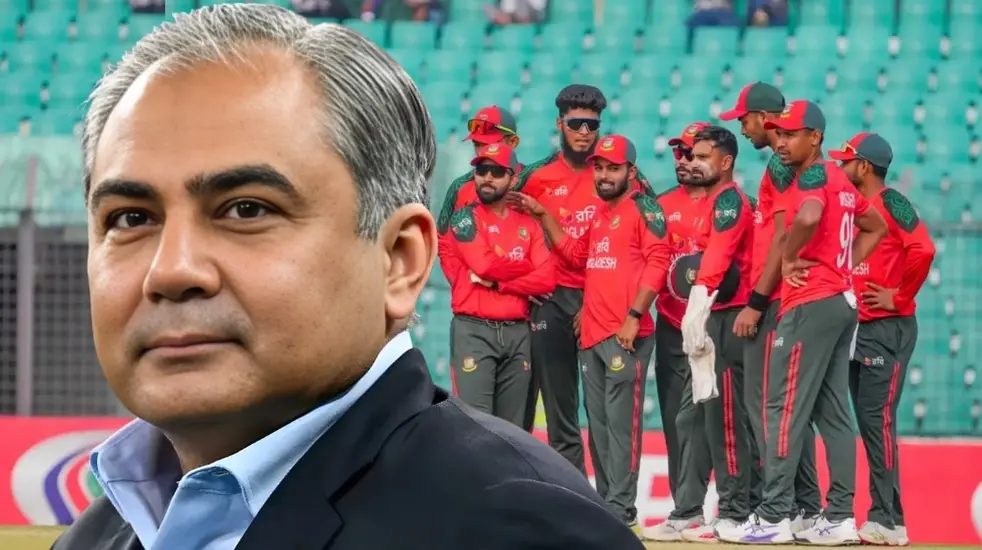
This evolving situation represents a critical juncture in international cricket diplomacy. The core issue originates from Bangladesh’s refusal to travel to India for security reasons, requesting a shift of its matches to Sri Lanka. In contrast, the International Cricket Council (ICC) rejected this appeal, subsequently replacing Bangladesh with Scotland. This decision has catalyzed strong reactions within the cricketing community, particularly from the PCB, which views the decision as inconsistent. The debate over this specific decision fuels the prospect of a Pakistan T20 Boycott.
Sources indicate the PCB believes abstaining from the Pakistan versus India match would impose a substantial financial impact on the ICC. This is primarily due to the immense commercial value and global viewership that this specific rivalry commands. Furthermore, while the immediate sporting consequence of a boycott might only be a loss of two points, the long-term structural implications for tournament decisions and national board autonomy could be far more significant. The strategic aim of this potential Pakistan T20 Boycott is to prompt a re-evaluation of ICC policies.

The Socio-Economic Impact: Calibrating National Sentiment on the Pakistan T20 Boycott
A potential Pakistan T20 Boycott could significantly impact the daily life of Pakistani citizens, particularly cricket enthusiasts and young aspiring athletes. For students and professionals across urban and rural Pakistan, cricket transcends a mere sport; it embodies national pride and collective identity. A boycott, while a protest, might be perceived differently. It could either be seen as a strong assertion of national sovereignty and principle against an international body, or as a missed opportunity for national engagement and sporting spectacle.
From an economic standpoint, the broader implications could involve a reassessment of future ICC event participation and sponsorship dynamics. Households, particularly those invested in cricket merchandise or local viewing events, might experience a dampened enthusiasm if such a high-stakes match is not played. Consequently, the ripple effect could extend to sports-related businesses and media consumption patterns, altering the entertainment landscape for a period.
The “Forward Path”: A Structural Momentum Shift
This development fundamentally represents a Momentum Shift rather than a mere Stabilization Move. The PCB’s contemplation of a boycott signals a strategic recalibration of power dynamics within the ICC framework. It underscores a nation’s willingness to leverage its significant sporting influence to advocate for what it perceives as fairness and consistency in tournament administration. This action, if executed, would establish a new baseline for how national boards engage with international governing bodies on critical policy decisions. The potential financial repercussions for the ICC and the global spotlight on the issue could indeed catalyze a structural review of how tournament participation and dispute resolutions are handled moving forward.