

In a strategic move towards national advancement, the Punjab government has issued directives to integrate hospital security cameras in all specialized healthcare facilities with the Punjab Safe Cities Authority (PSCA) network. This structural enhancement aims to bolster security, ensure patient safety, and streamline emergency response across the province. Consequently, emergency departments and outpatient departments (OPDs) will gain advanced surveillance capabilities, establishing a new baseline for healthcare safety infrastructure.
The Translation: Calibrating Healthcare Surveillance
This initiative mandates all security cameras within Punjab’s public hospitals to link directly with PSCA’s integrated command, control, and communications network. Specifically, existing CCTV units in high-traffic areas like emergency departments and OPDs will be integrated. Furthermore, where current infrastructure proves insufficient, new cameras will be installed to achieve comprehensive coverage. Medical universities, colleges, and institutions have received explicit instructions to facilitate this process, ensuring seamless cooperation with PSCA technical teams.
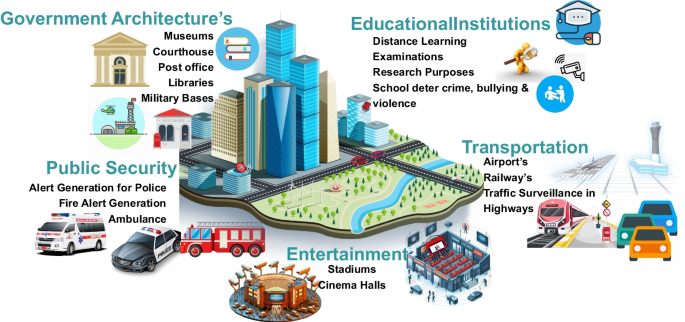
The PSCA already operates thousands of high-resolution cameras across Punjab’s major urban centers, including Lahore. This established network provides real-time monitoring, expedites emergency responses, and facilitates evidence collection for law enforcement. Extending this proven infrastructure to healthcare facilities represents a systematic approach to public safety.
Socio-Economic Impact: A Safer Environment for Every Citizen
How does this structural upgrade change the daily life of a Pakistani citizen? Primarily, it creates a significantly safer environment within hospitals. For students and professionals visiting or working in these facilities, the presence of integrated hospital security cameras reduces the risk of violence against healthcare workers and mitigates theft. Consequently, this leads to improved response times during critical incidents, offering a more secure atmosphere for patients, staff, and visitors in bustling hospital areas.

Households, both urban and rural, can expect a higher standard of care delivery in a more protected setting. This proactive measure minimizes misuse of medical resources and enhances overall operational efficiency, directly benefiting those who rely on public health services. Ultimately, a more secure healthcare system instills greater public trust and confidence.
The Forward Path: A Momentum Shift in Public Safety Infrastructure
This development undeniably represents a Momentum Shift for Pakistan’s public safety infrastructure. Integrating hospital security with a centralized authority like PSCA moves beyond mere maintenance; it signifies a calibrated investment in a resilient, interconnected security ecosystem. By leveraging existing smart city capabilities, Punjab is establishing a precedent for synergistic public safety initiatives.
This strategic integration serves as a catalyst for broader applications of smart technology in public services. It optimizes resource deployment and enhances predictive capabilities, moving towards a more efficient and responsive national security framework. This decision is not just about cameras; it’s about architecting a safer, more technologically advanced Pakistan.








