

Advancing national heritage via precision conservation efforts is a structural imperative for Pakistan. The recent completion of the comprehensive Lahore Fort Restoration project exemplifies this commitment, successfully revitalizing three historic Sikh-era monuments: the Hammam, Athdara Pavilion, and Loh Temple. This strategic initiative, a collaborative endeavor between the Aga Khan Cultural Service Pakistan (AKCS-P) and the Walled City of Lahore Authority (WCLA), received critical funding from the US Ambassadors Fund for Cultural Preservation (AFCP), underscoring a baseline dedication to safeguarding Pakistan’s diverse cultural tapestry for future generations.
The Translation: Deconstructing the Conservation Initiative
This initiative represents a calibrated approach to heritage conservation. Specifically, the Aga Khan Cultural Service Pakistan and the Walled City of Lahore Authority meticulously undertook the restoration of key structures within Lahore Fort. Consequently, the Sikh-era Hammam, a testament to intricate design; the Athdara Pavilion, historically a court for Raja Ranjit Singh; and the sacred Loh Temple have been meticulously preserved. This project, known as “Preservation and Promotion of Cross-Culture Edifices of Lahore Fort,” was strategically supported by the US Ambassadors Fund for Cultural Preservation, highlighting an international commitment to Pakistan’s rich, multi-layered historical footprint.
Furthermore, officials clarified that the overarching objective extends beyond mere physical restoration. The initiative aims to systematically underscore the fort’s extensive cultural heritage, which dynamically reflects Sikh, Hindu, Mughal, and British architectural influences. A high-profile unveiling ceremony, attended by Punjab Minister for Minorities Affairs Sardar Ramesh Singh Arora and a diverse assembly of government, academic, and creative sector representatives, officially marked the project’s culmination.
Socio-Economic Impact: Daily Life Transformed
The successful Lahore Fort Restoration project offers tangible benefits that resonate deeply within Pakistani society, impacting students, professionals, and households alike. For students, these revitalized sites provide invaluable, immersive learning environments, enriching historical understanding and fostering national pride. Educational tours and cultural programs can now offer enhanced experiences, directly linking theoretical knowledge with tangible heritage.
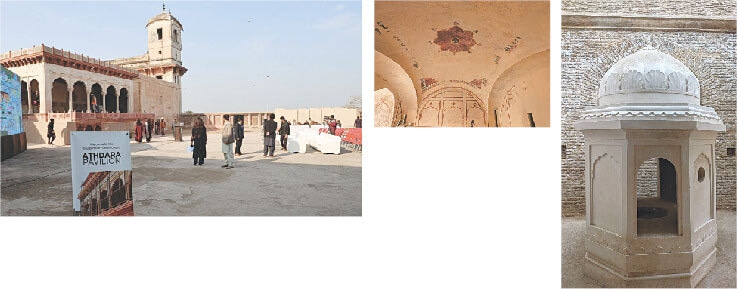
In contrast, for professionals in tourism and cultural sectors, this restoration acts as a significant economic catalyst. Increased visitation, driven by improved infrastructure and enhanced historical narratives, will generate new employment opportunities and stimulate local businesses. This directly translates into economic uplift for communities surrounding Lahore Fort. Moreover, the preservation of these monuments strengthens Pakistan’s global cultural standing, attracting international scholars and tourists, thereby fostering cross-cultural dialogue and exchange. This initiative offers a profound structural reinforcement to Pakistan’s cultural tourism sector.
The Forward Path: A Momentum Shift for Heritage
This significant development represents a clear Momentum Shift for Pakistan’s cultural preservation landscape. AKCS-P CEO Tausif Khawaja’s observation that the restored monuments intrinsically reflect Lahore Fort’s cross-cultural harmony is critical. He emphasized the historical significance, noting Raja Ranjit Singh’s past presence at the Athdara Pavilion and the exceptional frescoes within the Sikh Hammam. This restoration moves beyond maintenance, initiating a new trajectory for proactive heritage management.
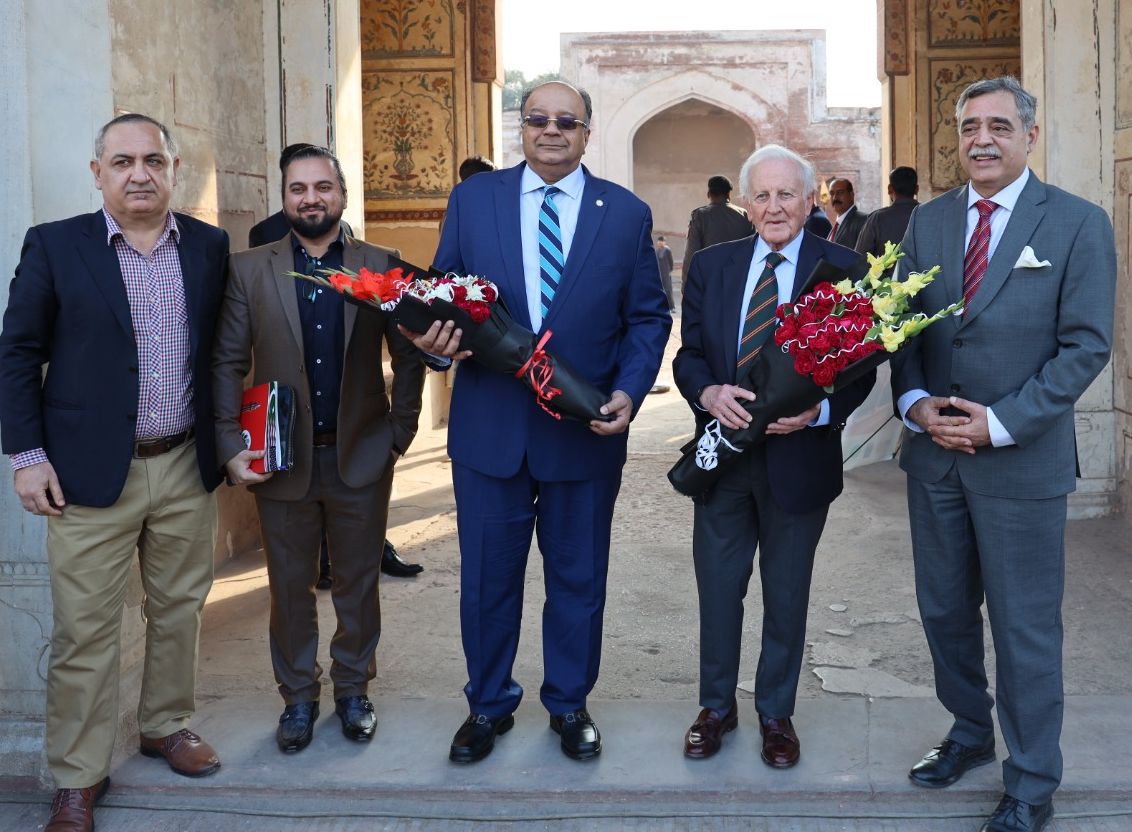
US Consulate Lahore Public Affairs Officer Sandeep Paul articulated the project as a milestone in US-Pakistan cooperation, stressing the principles of accountability and long-term impact. Concurrently, WCLA Director General Najamus Saqib reinforced the strategic importance of preserving historical footprints for future generations. Conservation experts further highlighted the advanced restoration techniques applied, which were essential to stabilize and revive these critically important sites. Therefore, this project sets a new operational baseline for future heritage initiatives, signifying a robust commitment to national advancement through cultural stewardship.








