

Precision in Preservation: The Lahore Fort Restoration Unveiled
Pakistan’s commitment to safeguarding its architectural legacy drives national advancement. The significant Lahore Fort Restoration project has successfully unveiled three Sikh-era monuments—the Hammam, Athdara Pavilion, and Loh Temple. This critical initiative, spearheaded by the Aga Khan Cultural Service Pakistan (AKCS-P) and the Walled City of Lahore Authority (WCLA), received strategic funding from the US Ambassadors Fund for Cultural Preservation (AFCP). Consequently, this effort not only enhances Pakistan’s diverse cultural heritage but also strengthens international partnerships in historical preservation.
The Translation: Deconstructing Cultural Conservation
The recent unveiling at Lahore Fort marks the successful culmination of intensive conservation work. Specifically, the Sikh-era Hammam, Athdara Pavilion, and Loh Temple have undergone meticulous restoration. The Aga Khan Cultural Service Pakistan (AKCS-P) is a non-profit entity dedicated to heritage preservation, while the Walled City of Lahore Authority (WCLA) manages and conserves Lahore’s historic core. Furthermore, the US Ambassadors Fund for Cultural Preservation (AFCP) provides direct grant support for cultural heritage preservation globally. This collaborative framework ensures precise stabilization and revival of these irreplaceable historical sites, preserving structural integrity and aesthetic fidelity.
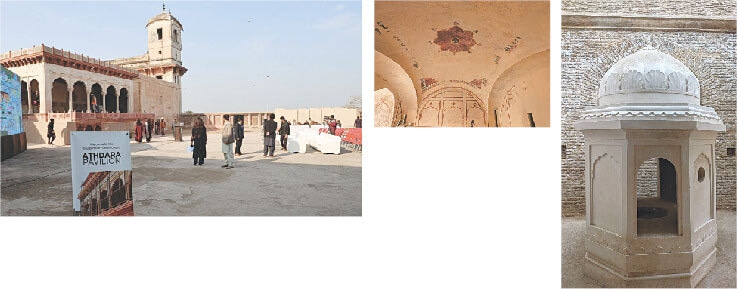
Officials assert that this initiative strategically highlights the fort’s extensive cultural heritage. This heritage encompasses structures from Sikh, Hindu, Mughal, and British eras, showcasing a rich tapestry of historical influences. During the unveiling ceremony, Punjab Minister for Minorities Affairs Sardar Ramesh Singh Arora underscored the importance of such projects. The event drew a calibrated mix of representatives from government, academia, and the creative sector, signifying broad stakeholder engagement.
Socio-Economic Impact: Calibrating Community Benefits
How does the Lahore Fort Restoration fundamentally alter the daily life of a Pakistani citizen? This preservation effort generates tangible benefits, particularly for urban and rural households. Firstly, it elevates national pride and cultural identity, offering a reinforced connection to Pakistan’s past for students and families. Secondly, enhanced heritage sites serve as catalysts for tourism, attracting both domestic and international visitors. This influx directly stimulates local economies through increased demand for hospitality, local crafts, and guide services.

Moreover, the project creates specialized employment opportunities in conservation, historical research, and site management for professionals. AKCS-P CEO Tausif Khawaja noted that the restored monuments exemplify Lahore Fort’s cross-cultural harmony, recalling Raja Ranjit Singh’s court at the Athdara Pavilion and the Sikh Hammam’s fine frescoes. Consequently, educational programs and guided tours will provide invaluable learning experiences, enriching the understanding of Pakistan’s diverse history for younger generations.
The Forward Path: A Momentum Shift in Heritage Stewardship
This development undeniably represents a Momentum Shift for Pakistan’s cultural stewardship. The strategic collaboration between national entities and international partners like the US, through the AFCP, establishes a new baseline for high-precision heritage conservation. US Consulate Lahore Public Affairs Officer Sandeep Paul precisely described this project as a milestone in US-Pakistan cooperation on cultural preservation, emphasizing accountability and long-term impact. This forward trajectory demonstrates Pakistan’s proactive commitment to not merely maintaining but actively advancing its historical assets.
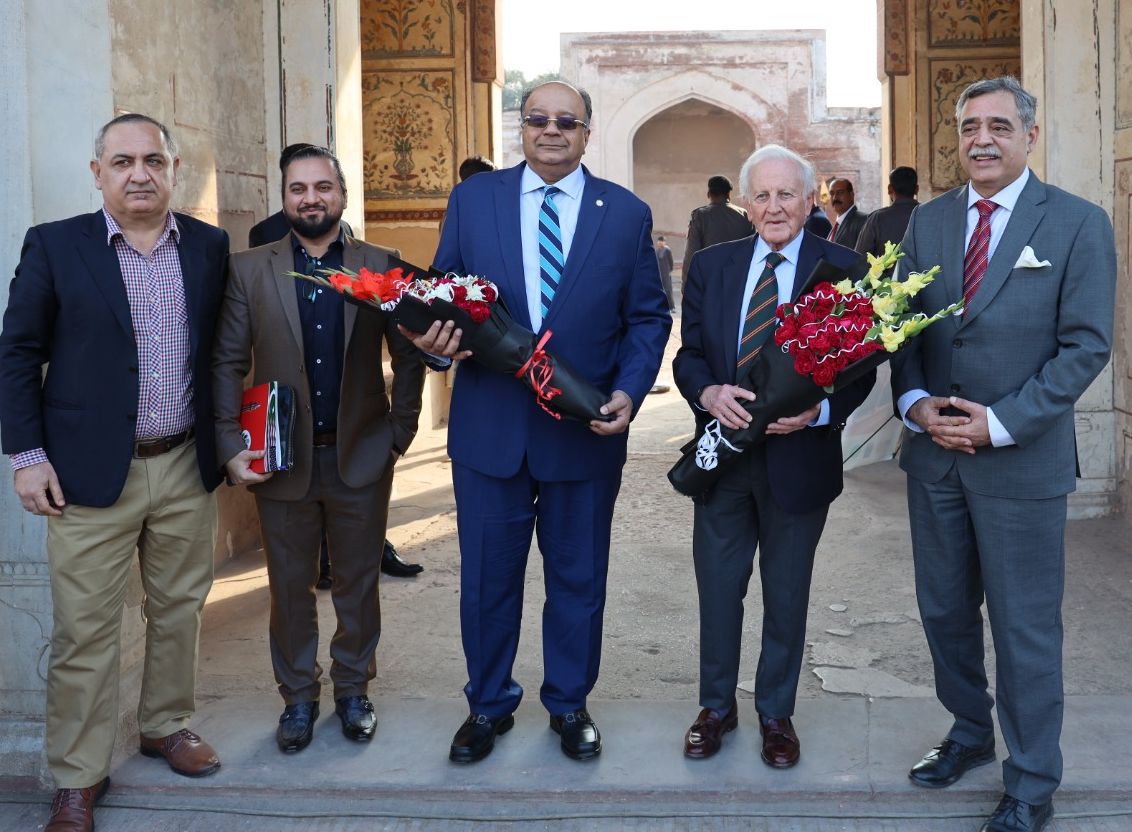
WCLA Director General Najamus Saqib reinforced the critical importance of preserving historical footprints from all eras for future generations. Furthermore, conservation experts highlighted the advanced restoration techniques employed, which were crucial for stabilizing and reviving these sites. This structured approach ensures that Pakistan’s rich, multi-layered history remains accessible and inspiring, serving as a robust foundation for future cultural initiatives and fostering a deeper appreciation for our collective heritage.








