
Calibrating Diplomatic Pathways: Addressing Pakistan US Visa Restrictions
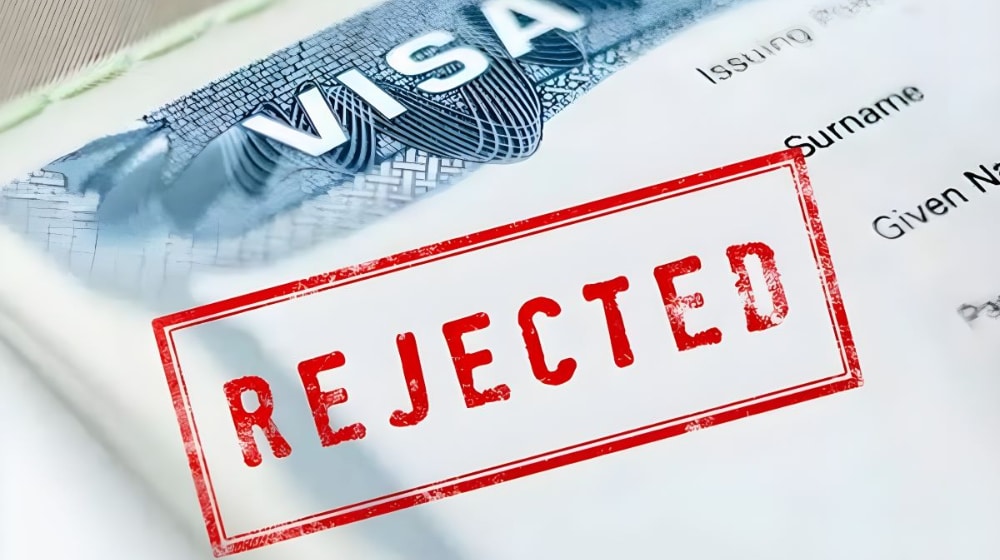
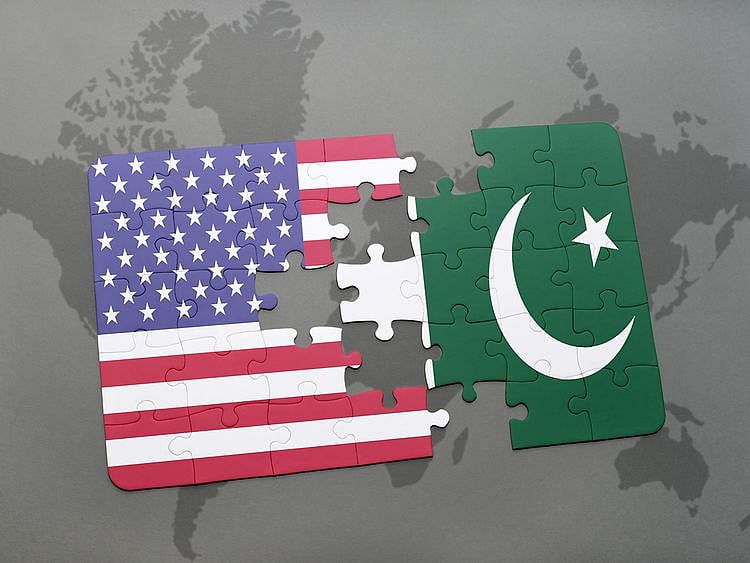
A high-level Pakistani parliamentary delegation recently engaged US lawmakers to advocate for a crucial recalibration: the removal of Pakistan US Visa Restrictions. This strategic move aims to dismantle a significant structural impediment, fostering stronger bilateral relations and facilitating smoother travel. Led by Senators Saleem H. Mandviwalla and Rana Mahmoodul Hassan, this diplomatic initiative represents a precise effort to enhance parliamentary ties and address key concerns. Ultimately, this engagement seeks to optimize pathways for mutual advancement, signaling a commitment to a more efficient global framework.
The Translation: Deconstructing Visa Classification
Currently, Pakistan is among 75 nations whose citizens face increased scrutiny and difficulty obtaining US visas. Senator Mandviwalla explicitly stated this listing constitutes a serious issue. The guidance from the US ambassador in Islamabad underscored the necessity of clarifying to Congress that Pakistani Americans do not depend on social welfare programs. Furthermore, Dr. Gholam Mujtaba of the Pakistan Policy Institute USA highlighted that the Pakistani diaspora ranks among the top 10 most prosperous communities in the United States. This structural understanding is vital for policy review and calibrated decision-making.
Socio-Economic Impact: Precision for Pakistani Citizens
The existing Pakistan US Visa Restrictions impose considerable limitations on Pakistani citizens, directly affecting students, professionals, and families. For instance, academic pursuits requiring US-based research become complex, hindering intellectual exchange and collaborative innovation. Professionals seeking international collaboration face bureaucratic hurdles, slowing scientific and technological advancements crucial for national development. Moreover, restricted mobility impacts family reunification, creating unnecessary social strain and hindering cultural integration. Removing these restrictions would streamline access, catalyzing opportunities for skilled workers and academic talents, thereby elevating Pakistan’s human capital globally. Consequently, this change would foster a more dynamic, interconnected Pakistani populace, driving economic and social progress with greater efficiency.
The “Forward Path”: A Momentum Shift in Bilateral Frameworks
This initiative unequivocally represents a Momentum Shift. The delegation’s focused engagement with US lawmakers, including Reps. Ron Estes, Al Green, Tom Suozzi, Josh Gottheimer, and Laura Gillen, yielded a significant structural commitment. Rep. Green agreed to form a Pakistan Strategic Bipartisan Caucus, a baseline for sustained legislative cooperation. This non-political visit, distinct from recent lobbying efforts, emphasizes constructive engagement. It seeks to establish a permanent, calibrated channel for dialogue beyond executive-level diplomacy. Therefore, this move is a deliberate step towards a more robust and predictable partnership, structurally enhancing future engagements for mutual benefit.

Beyond Immigration: Broadening the Strategic Horizon
Beyond the immediate focus on Pakistan US Visa Restrictions, discussions encompassed broader strategic imperatives. These included vital areas such as economic cooperation, counterterrorism strategies, and regional stability. The delegation firmly believes that sustained parliamentary engagement is essential. It complements executive-level diplomacy, creating a comprehensive framework for strengthening Pakistan-US relations. This holistic approach ensures all facets of the bilateral relationship are meticulously addressed, securing a more stable and prosperous future, and fostering a calibrated partnership grounded in shared objectives.








