

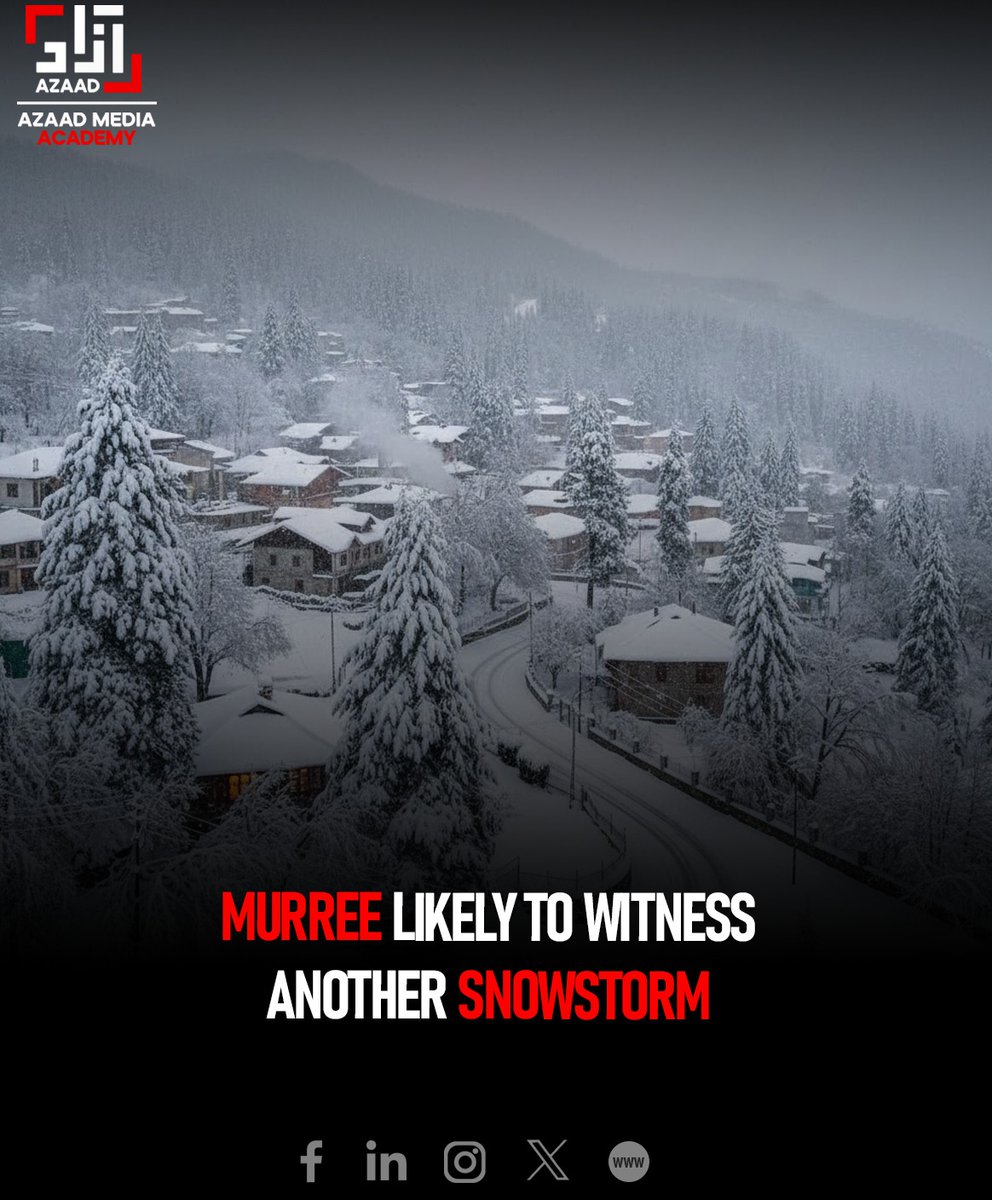
The calibrated prediction from the Meteorological Department indicates a significant Murree snowstorm alert from Monday evening through Tuesday night, encompassing Murree and the Galiyat region. This marks the fourth substantial snowfall event this season. Consequently, authorities have activated high-alert protocols, strategically deploying emergency and traffic control units. Citizens and tourists are strongly advised to implement proactive safety measures, including equipping vehicles with essential winter gear, to ensure systemic resilience against adverse weather conditions.
Understanding the Calibrated Forecast
The Meteorological Department’s Strategic Projections
The recent forecast outlines a precision-based meteorological event: a confluence of snowfall and strong winds. This isn’t merely a weather update; it’s an operational directive for regional authorities. Historically, such patterns can disrupt logistical arteries and require a structured response. Therefore, understanding these projections translates into anticipatory governance, ensuring public services remain operational and citizen safety is prioritized through pre-emptive action.
Socio-Economic Impact: Fortifying Community Resilience
Protecting Daily Life Amidst Winter Challenges
This Murree snowstorm alert directly impacts the daily lives of Pakistani citizens. For students in Murree and Galiyat, educational continuity might face temporary interruption, necessitating rapid adaptation to remote learning or adjusted schedules. Professionals reliant on regional transit will experience calibrated delays, emphasizing the need for flexible work arrangements. Households, particularly in rural areas, must prioritize energy conservation and maintain adequate provisions to mitigate potential isolation. This collective preparedness strengthens community resilience against climatic variables, fostering a culture of self-sufficiency and mutual aid.

Operational Framework for Emergency Response
Strategic Deployment and Public Directives
In response to this forecast, District Police Officer Murree, Muhammad Raza Tanveer, has elevated emergency teams to a state of high alert. This structural preparedness ensures a rapid incident response capability. Rescue 1122 units and Murree Traffic Police have been strategically positioned at critical geographical choke points. This calibrated deployment aims to facilitate efficient traffic flow and provide immediate assistance during the anticipated weather escalation. Furthermore, public directives underscore the necessity of individual responsibility in mitigating risks.
- Avoid Unnecessary Travel: Minimize road usage to reduce congestion and risk exposure.
- Vehicle Preparedness: Equip vehicles with tire chains, ample fuel, and a spare tire.
- Personal Safety Gear: Carry warm clothing, blankets, and essential emergency kits.
- Visibility Protocol: Utilize fog lights in reduced visibility conditions.

Expanding Winter Front: Beyond Murree
Systemic Meteorological Impact Across Balochistan
The meteorological system extends its reach beyond Murree and Galiyat. Snowfall has also commenced in Quetta, Qalat, Mastung, Kan Mehtarzai, Muslim Bagh, and Chaman. The forecast indicates this weather pattern will persist over the next 48 hours. Authorities are meticulously monitoring these conditions to ensure public safety across all affected districts. This broader regional impact necessitates a synchronized, multi-district response framework, demonstrating a national capacity for coordinated disaster preparedness.
The Forward Path: A Stabilization Move
This recurring snowfall event, while challenging, represents a Stabilization Move in Pakistan’s disaster management framework. The prompt issuance of alerts and the calibrated deployment of emergency services demonstrate an evolving capability to manage predictable climatic events. While there is always room for incremental refinement, the foundational response mechanisms are evidently in place. The focus must now shift towards enhancing proactive infrastructure resilience and fostering greater public participation in preparedness drills. This ensures that each seasonal challenge strengthens, rather than strains, our national operational readiness.








