Strategic adjustments to the national academic calendar are frequently required to ensure optimal student welfare and educational continuity. Consequently, private schools in Karachi have initiated a structured recommendation: extend the current winter school timings to a 9 am opening schedule until January 31. This calibrated response directly addresses the persistent cold wave affecting the city and, more critically, the remote districts of Sindh, impacting daily life and learning conditions.
The Translation: Why Extended Winter School Timings Are Proposed
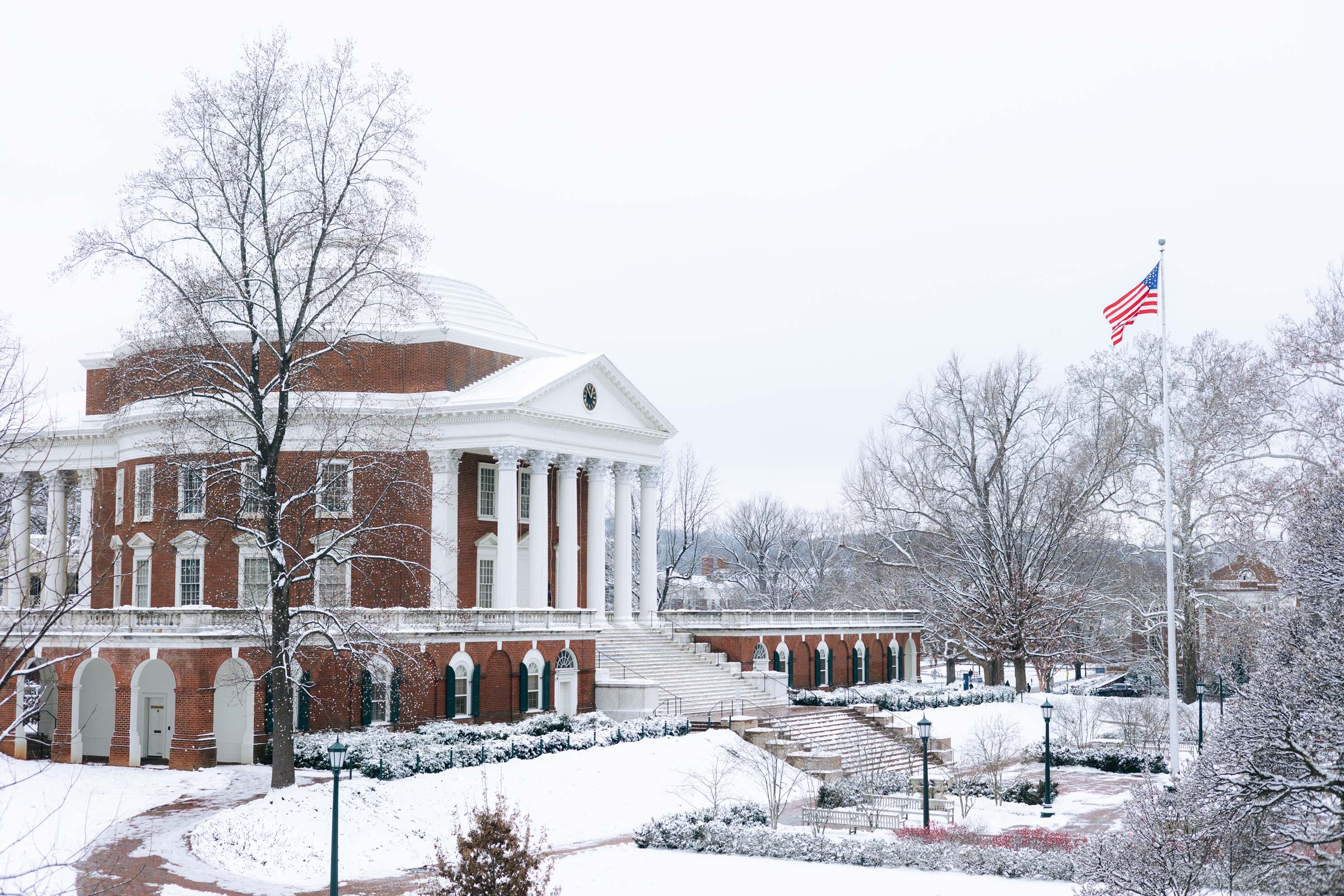
The All Sindh Private Schools and Colleges Association (ASPCCA) formally presented this recommendation. Their analysis indicates that the severe cold weather conditions pose a significant challenge to students, particularly those commuting from remote areas. Therefore, maintaining a later start time is deemed essential for student safety and well-being during the harsh winter months. This operational adjustment prioritizes the health of the academic community.
Furthermore, the association’s chairman has called for an immediate convocation of the Private Schools Steering Committee. The objective is to decisively review and finalize the academic calendar, ensuring it accounts for the prevailing environmental conditions. This proactive approach aims to integrate weather-related challenges into long-term educational planning.

Addressing Critical Academic Deadlines and Planning
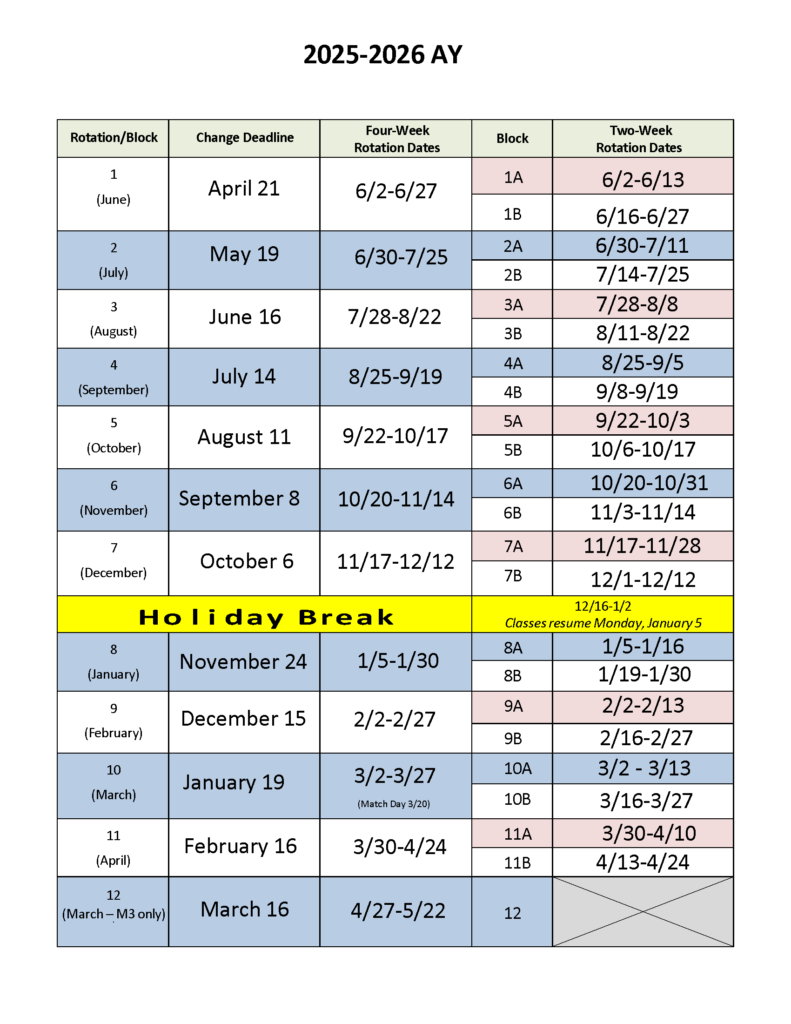
Beyond the immediate concern of school timings, the ASPCCA chairman has articulated a pressing demand for the swift issuance of uniform examination syllabi and paper specifications. This demand is structurally critical because the academic year is nearing its conclusion. Consequently, limited preparation time remains before the final examinations. Prompt decisions from educational authorities are imperative to avoid systemic delays.
The association unequivocally states that any deferment in announcing these examination-related specifics could severely impede both school-level planning and student preparation. For instance, without clear guidelines, institutions struggle to finalize teaching schedules, and students face uncertainty in their study routines. This could inadvertently compromise academic performance across the province.

Socio-Economic Impact: Daily Life and the Academic Ecosystem

For a Pakistani citizen, particularly students and their families in urban and rural Sindh, these proposed adjustments directly affect daily routines. A later school start means children, especially younger ones, avoid commuting in extreme morning cold, reducing health risks. Parents gain flexibility in morning preparations, potentially impacting household logistics and work schedules. Professionals involved in education, from teachers to administrators, can better manage their schedules during winter, contributing to a more efficient educational framework.
The clarity on examination schedules is also paramount. Students, who invest significant effort in preparing for crucial end-of-year assessments, require stable and predictable timelines. Any ambiguity creates undue stress, potentially impacting their performance and future academic trajectories. A streamlined process ensures equity and reduces educational disparities.
The Forward Path: A Stabilization Move for Educational Resilience

This development represents a Stabilization Move rather than a sudden Momentum Shift. The proposals from the All Sindh Private Schools and Colleges Association are designed to recalibrate the existing educational system in response to predictable seasonal challenges. The emphasis is on maintaining operational efficiency and ensuring student well-being under specific environmental conditions.
While not a radical innovation, it is a pragmatic and necessary adjustment. It underscores the importance of flexible governance within the education sector, adapting baseline protocols to ensure consistent quality and accessibility. This strategic flexibility is vital for building a resilient and responsive educational infrastructure capable of sustaining high standards despite external variables.