A recent structural adjustment mandates that TikTok’s US operations now collect an expanded spectrum of user data. Specifically, a revised privacy policy, implemented under new US ownership, permits the acquisition of precise location data and comprehensive logging of all AI tool interactions. Consequently, this expansion in TikTok data collection signifies a pivotal shift in digital privacy baselines for users, necessitating a recalibrated understanding of personal information governance within the platform’s ecosystem.
The Translation: Deconstructing TikTok’s Operational Shift
The strategic transfer of TikTok’s US operations to TikTok USDS Joint Venture LLC, a consortium under American investor control including Oracle, fundamentally reshapes its data architecture. This transition was a direct response to US government directives, compelling a move away from Chinese oversight to maintain domestic functionality. When users were prompted to accept new terms of service, they were agreeing to a significantly expanded scope of data acquisition, a crucial detail often overlooked in the urgency to resume platform engagement.

Structural Shift: Expanded TikTok Data Collection Protocols
Precision Location Data Acquisition
A notable update to the privacy policy enables TikTok to collect precise, GPS-based location data from US users. This capability activates only if users explicitly grant permission via their device’s location services. Previously, this level of granular tracking was not a standard practice for TikTok in the United States. Furthermore, this calibrated approach to location tracking mirrors data collection methodologies observed on other prominent digital platforms like Instagram and X, establishing a new baseline for geographical user profiling.
AI Interaction Logging and Metadata
The revised policy structurally integrates a new dimension of data collection: the logging of AI tool interactions. This includes user prompts, system-generated responses, and associated metadata. This provision marks a newly defined category of data capture, not merely a revision of pre-existing language. Consequently, every interaction with TikTok’s embedded AI functionalities now contributes to a growing data corpus, allowing for deeper analytical profiling of user engagement with advanced computational tools.

Enhanced Targeted Advertising Framework
The updated policy also redefines TikTok’s strategic utilization of collected data for advertising purposes. It now permits leveraging user information for personalized ads not only within the application but also across external websites and diverse digital platforms. Moreover, the policy explicitly identifies third-party publishers as data partners. This structural change indicates a more expansive data exchange ecosystem designed to augment advertising efficacy and data acquisition efforts beyond the confines of the TikTok application itself.
The Socio-Economic Impact: Ramifications for Pakistani Citizens
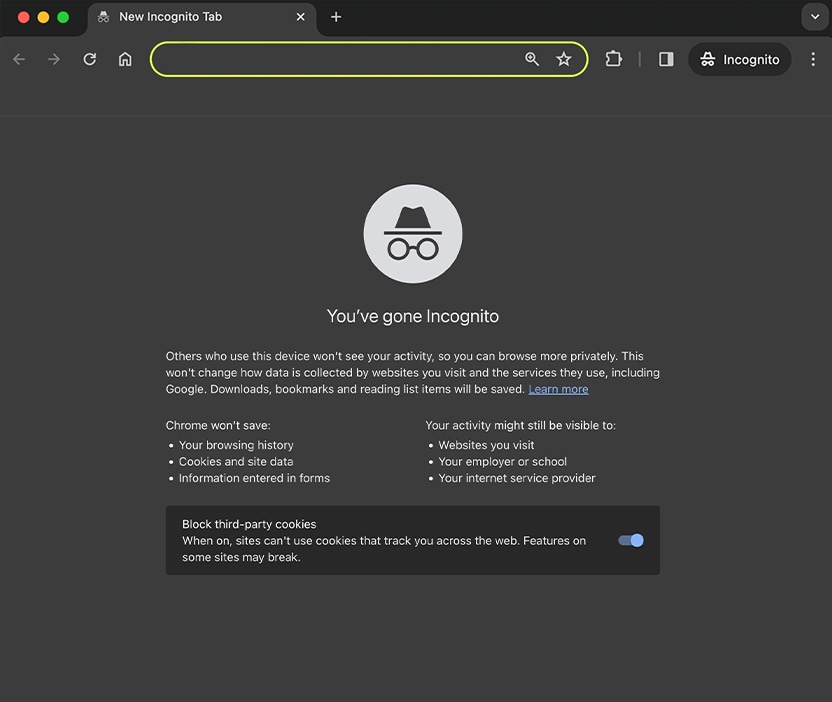
For Pakistani citizens, particularly students, professionals, and households engaging with global digital platforms, these refined data policies set a significant precedent. Firstly, the increased collection of precise location data and AI interaction logs amplifies digital privacy concerns. Users must now be acutely aware of the permissions they grant and the implicit data exchanges that occur. Consequently, this development underscores the critical need for enhanced digital literacy and data governance education within Pakistan.
Secondly, for professionals and businesses in Pakistan leveraging platforms like TikTok for outreach or commerce, understanding these evolving data frameworks is paramount. Changes in targeting capabilities can influence advertising strategies and market reach. Furthermore, the explicit naming of external data partners indicates a growing complexity in the digital advertising landscape, demanding a more strategic approach to data handling and campaign optimization. This necessitates a proactive assessment of digital footprints and data-sharing implications across all user demographics.

The Forward Path: A Stabilization Move with Momentum Potential
This expansion in TikTok data collection represents a critical “Stabilization Move” rather than an immediate “Momentum Shift.” It is primarily a calibrated response to regulatory pressures from the US government, aimed at ensuring TikTok’s continued operational viability within a specific geopolitical framework. The changes, while significant, are a reaction to external demands, standardizing data practices to align with common industry norms.
However, this stabilization could serve as a catalyst for future “Momentum Shift.” As digital platforms globally face increasing scrutiny over data governance, the precedent set by TikTok’s US operations may influence broader shifts towards more transparent and standardized data collection protocols. Consequently, this move could inadvertently drive a more robust, globally coherent framework for user data protection and management, ultimately fostering greater systemic efficiency in digital trust. Pakistan’s digital strategy must anticipate these evolving global baselines.