
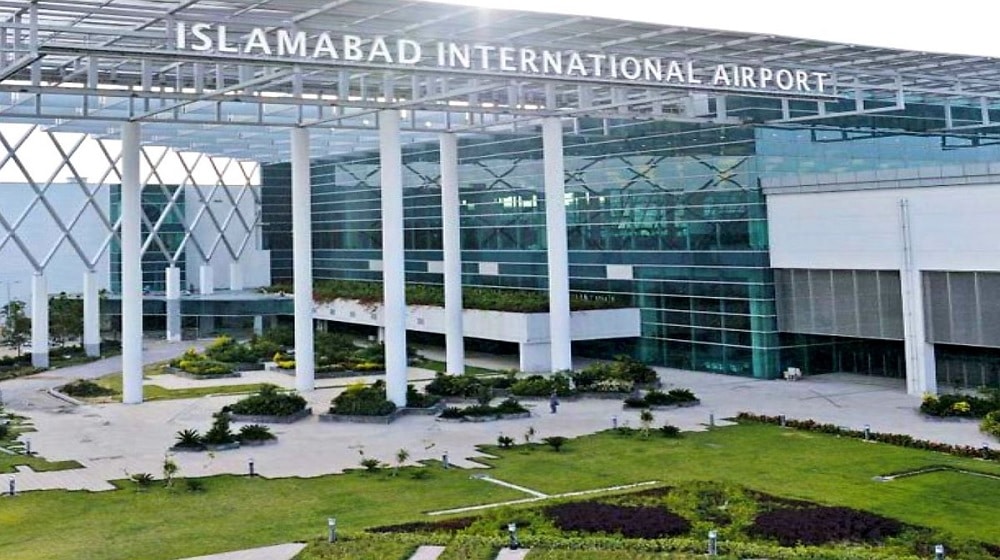
The government has decided to place Islamabad Airport privatization back on its active list. Initially, plans were underway to outsource the management and operations of Islamabad International Airport to the United Arab Emirates. However, Abu Dhabi demonstrated no further interest in progressing the agreement. Consequently, authorities will now include the airport in a broader privatization drive, drawing on recent experiences with Pakistan International Airlines (PIA).
Why Did UAE Withdraw from Islamabad Airport Management?
Officials confirm that the decision to end the outsourcing arrangement stemmed from repeated delays. The UAE side consistently failed to nominate a company for the proposed management outsourcing. Pakistan had previously issued a final call letter, seeking clear communication from the UAE.

In response, the UAE indicated their inability to confirm a nominated entity. Furthermore, they later conveyed a lack of keenness to proceed with the arrangement. This reluctance ultimately led to the government’s decision to pursue other options for managing the airport.
The Path Forward: Active Privatization of Pakistani Airports
Earlier discussions had strictly focused on the management outsourcing of Islamabad Airport. Numerous draft framework agreements were exchanged between both parties. Nevertheless, progress stalled significantly due to the UAE’s ongoing inability to name a participating entity. Therefore, the government has now formally concluded talks with the UAE. Moving forward, Islamabad International Airport will join Karachi and Lahore airports on the active privatization list.

This strategic shift aims to attract broader investment and improve operational efficiencies across Pakistan’s key aviation hubs. The government anticipates a more streamlined and transparent privatization process, learning from past experiences.

The inclusion of Islamabad International Airport in the active privatization list signals a renewed commitment to enhancing infrastructure and services through private sector involvement. This move could potentially attract significant foreign investment, boosting the country’s economic prospects and modernizing its aviation sector.








