Saudi Arabia Issues Comprehensive Ramadan Guidelines
As the holy month approaches, Saudi Arabia’s Ministry of Islamic Affairs, Call and Guidance has released detailed Ramadan guidelines. These directives ensure mosques across the Kingdom are fully prepared for this significant period. Importantly, the circular outlines responsibilities for mosque staff, details prayer schedules, and enhances worshipper services. These instructions from the Saudi government aim to foster a spiritual and organized environment for all.
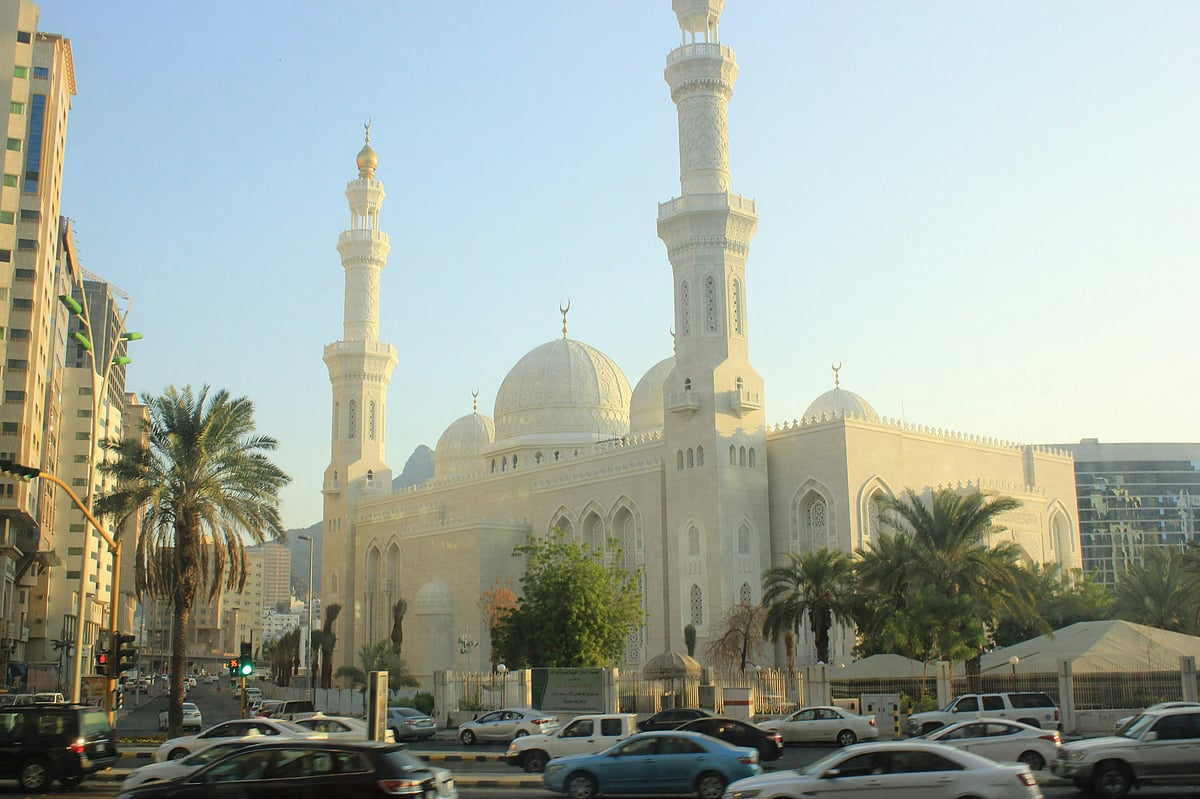
Ensuring Orderly Mosque Operations Under New Directives
The new directives mandate full attendance for all mosque staff, including imams, muezzins, and other workers. Absences are only permitted under exceptional circumstances, requiring official approval. This ensures consistent service throughout Ramadan. Furthermore, prayer timings must strictly adhere to the Umm Al Qura calendar, with a 15-minute interval between the call to prayer and congregational prayers for Fajr and Isha. Consequently, worshippers can better plan their schedules according to these new rules.
Prayer Protocols and Religious Lessons
During the final ten nights of Ramadan, Tahajjud prayers are to conclude before dawn. This measure aims to prevent any inconvenience for worshippers. Additionally, the ministry has emphasized that supplications during Qunut prayers should align with prophetic tradition, encouraging humility and brevity. Imams are also encouraged to deliver enriching religious lessons throughout the holy month, enhancing the spiritual experience for congregants as part of these broader Ramadan directives.
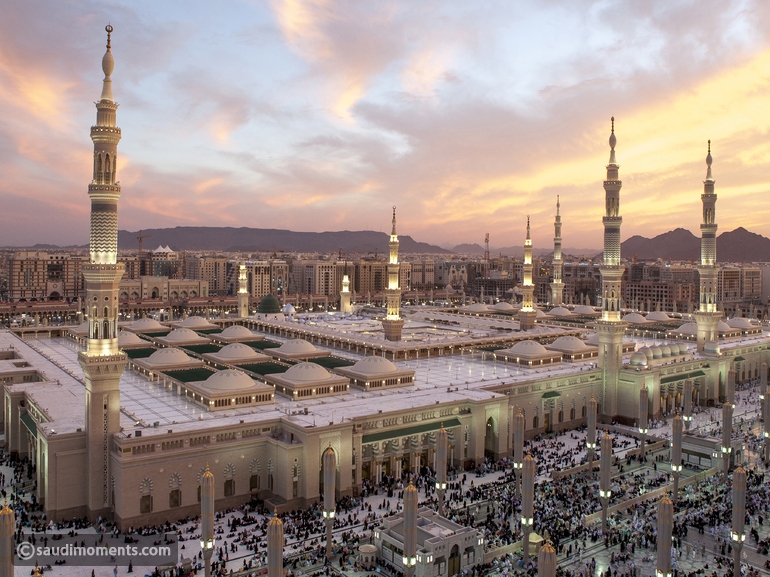
Prohibited Activities and Charitable Practices
The circular reinforces strict rules regarding mosque operations. Specifically, filming worshippers or broadcasting prayers via any media platform is now prohibited. This protects the privacy and sanctity of individual worship. Moreover, begging within mosques and their immediate surroundings is explicitly banned. Mosque staff must also diligently ensure that all charitable donations and Zakat contributions reach legitimate recipients, upholding transparency and trust, as detailed in the new policy.
I‘tikaf Guidelines for Worshippers
Detailed Ramadan guidelines for I‘tikaf practices have also been outlined. These require all individuals observing I‘tikaf to register and undergo verification. This is particularly crucial for non-Saudis. Ultimately, these comprehensive measures aim to preserve the sanctity of worship, safeguard congregants, and ensure the orderly and spiritual management of mosques during Ramadan. These specific directives for I’tikaf are vital for spiritual practice.