Understanding the SBP Policy Rate Cut
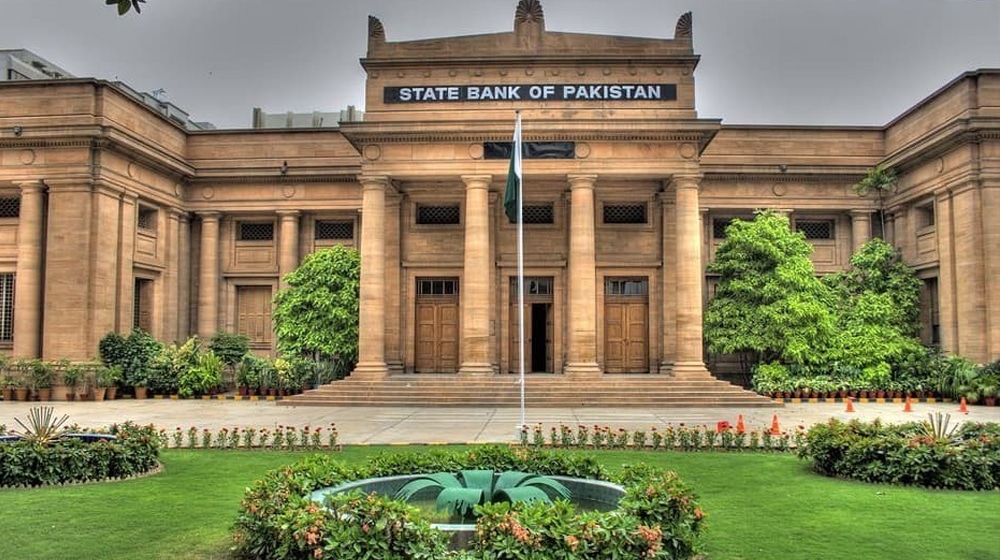
The State Bank of Pakistan (SBP) is widely anticipated to implement an SBP policy rate cut of 50 basis points (bps) at its upcoming monetary policy meeting on Monday. This crucial decision follows a Reuters poll, where seven out of ten analysts predicted such a reduction. Furthermore, two analysts even forecast a more significant 75bps cut. In contrast, one expected no change. Consequently, the median forecast strongly indicates a 50bps cut.
Such a move would reduce the policy rate to 10.5 percent. Notably, this marks a substantial easing after cumulative cuts of 1,150bps since mid-2024. This trend signals a shift in the nation’s monetary stance.

Why Analysts Expect an Interest Rate Reduction
Several key factors are driving expectations for this significant interest rate adjustment. Analysts specifically point to moderating inflation trends, which provide the central bank with increased flexibility. Additionally, higher foreign exchange reserves now offer a more stable economic backdrop. An improved balance of payments outlook also contributes to the positive sentiment among market observers. Collectively, these indicators suggest a favorable environment for economic easing in Pakistan.
Navigating the Path to Economic Stability
While some analysts foresee an accelerated easing cycle due to aligning conditions, others urge caution. They highlight potential risks, including global tensions and possible volatility in fuel prices. Moreover, the International Monetary Fund (IMF) has advised Pakistan against premature monetary easing. This caution is particularly relevant under the ongoing $7 billion loan program. Therefore, striking the right balance between stimulating growth and maintaining stability remains critical for the SBP.

Inflation Outlook and Monetary Policy
The SBP previously reported that inflation remained within its target range of 5–7 percent during July–November. However, it also warned that core inflation persists as sticky. Furthermore, headline inflation could temporarily increase. Consequently, the central bank’s decision will reflect a careful evaluation of these complex inflationary dynamics. The goal is to support economic growth without jeopardizing price stability. The future of Pakistan’s monetary policy hinges on these delicate considerations.
The central bank continually monitors a range of economic indicators. This careful observation ensures that any changes to the policy rate are well-considered and align with national economic goals. Furthermore, global economic developments also play a significant role in these complex decisions. Therefore, the upcoming meeting is crucial for Pakistan’s financial landscape.