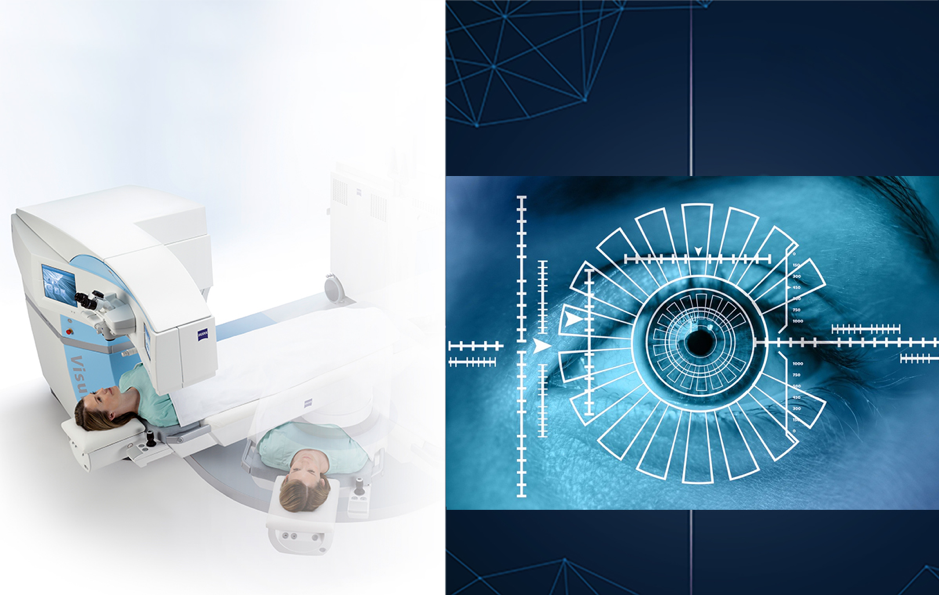
Revolutionizing Eye Care: China’s Breakthrough in Robotic Eye Surgery
Chinese researchers have achieved a significant milestone, developing an autonomous robotic system specifically designed for highly delicate eye injections. This groundbreaking innovation marks a true breakthrough in robotic eye surgery, allowing for unparalleled precision within the confined space of the human eye. Consequently, this advancement promises to transform ophthalmic procedures.
The Institute of Automation, part of the Chinese Academy of Sciences, spearheaded this remarkable development. Their system has successfully completed animal trials, demonstrating 100% accuracy in both subretinal and intravascular injections. Furthermore, these exciting findings were recently published in the prestigious journal, Science Robotics.
Addressing Complexities in Ophthalmic Procedures
Performing eye surgery, especially on the retina, presents immense challenges. The tissues are incredibly small and fragile, making traditional procedures highly complex. However, this new robotic system directly addresses these difficulties, offering a more reliable solution.

The innovation leverages advanced 3D spatial perception algorithms, coupled with ultra-precise positioning and trajectory control technology. These sophisticated features enable the robotic arm to operate with exceptional accuracy. Therefore, it significantly minimizes human error.
Extensive testing revealed impressive results. The robot underwent trials on various models, including eyeball models, porcine eyes, and even live animal eyes. In these tests, the system reduced positioning errors by nearly 80% when compared to manual surgery. Comparatively, it also outperformed surgeon-controlled robotic procedures by 55%.
Future Impact of Autonomous Eye Surgery
Researchers anticipate that this cutting-edge technology will dramatically enhance surgical safety, precision, and consistency. Furthermore, it has the potential to reduce the extensive training time currently required for surgeons. Ultimately, this system could facilitate complex eye procedures in remote or underserved regions, bridging the gap where specialist doctors are often unavailable.

Experts universally agree that this innovation could transform the treatment landscape for serious retinal diseases. By providing safer and more reliable microsurgical interventions, the robot stands to improve patient outcomes globally. The development of this autonomous system for robotic eye surgery represents a monumental leap forward in medical technology. It promises a future where precision and accessibility redefine ophthalmic care.