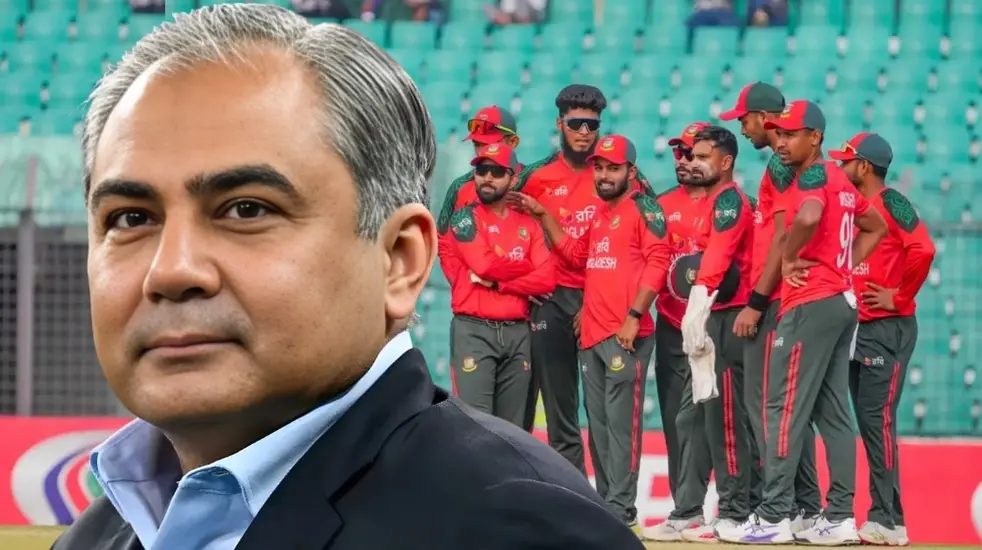
Pakistan Cricketers Lose Millions in Alleged Investment Scam
Reports indicate that several prominent Pakistan cricketers, including captain Babar Azam, have reportedly incurred substantial financial losses following their alleged involvement in an intricate investment scam. Many suspect this scheme to be a sophisticated Ponzi. Consequently, this incident has raised significant concerns within the nation’s cricketing community regarding financial security for athletes.
Furthermore, sources suggest that key players like Mohammad Rizwan and Shaheen Shah Afridi are also among those impacted by these alleged financial irregularities. The gravity of the situation prompted immediate attention from the Pakistan Cricket Board (PCB). They are now actively reviewing the matter following widespread apprehension among players and cricket officials.
The Alleged Investment Scheme Unfolds
Around a dozen current national team members, including stars such as Fakhar Zaman and Shadab Khan, reportedly invested considerable sums. They entrusted their funds to a Pakistani businessman who has now allegedly fled the country. This individual had established strong connections within the cricket ecosystem, notably through sponsorship activities in the Pakistan Super League (PSL).
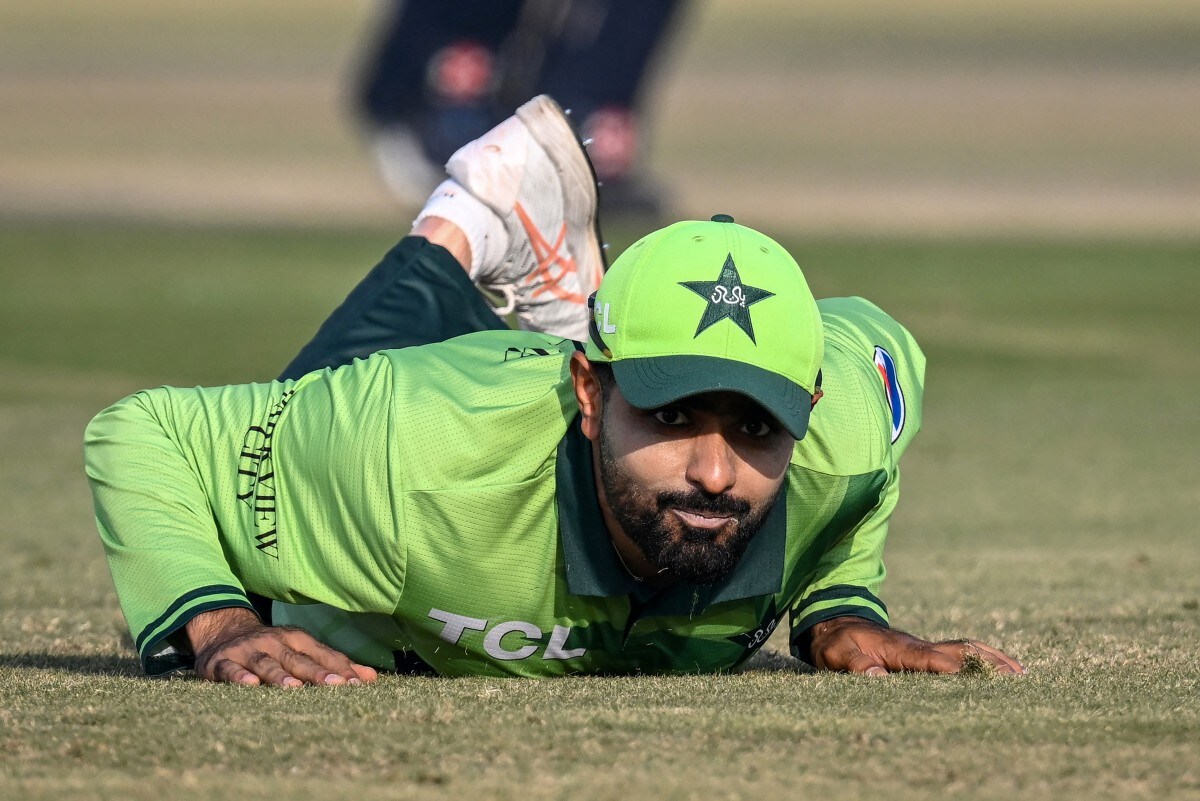
Initially, the investment arrangement seemed lucrative. Investors received consistent payouts for the first few months, building confidence in the scheme’s legitimacy. However, these payments abruptly ceased, triggering alarm and suspicion among the cricketers involved. This cessation of returns revealed the precarious nature of their investments.

When players sought clarification, the businessman reportedly claimed significant losses, stating an inability to return the invested capital. Following this, he allegedly cut off all contact and subsequently departed from Pakistan, leaving a trail of financial distress and unanswered questions.
Understanding a Ponzi Scheme

This case strongly aligns with the characteristics of a Ponzi scheme. In essence, a Ponzi scheme operates by paying early “returns” not from legitimate business profits, but from the capital contributed by newer investors. Consequently, these fraudulent structures require a constant influx of new money to sustain themselves.
Furthermore, such schemes inevitably collapse once the recruitment of fresh investors slows down or stops. At that point, the inability to generate new funds leaves subsequent investors facing substantial, often total, losses. Therefore, understanding these dynamics is crucial for preventing future financial exploitation.
The Impact and PCB’s Response
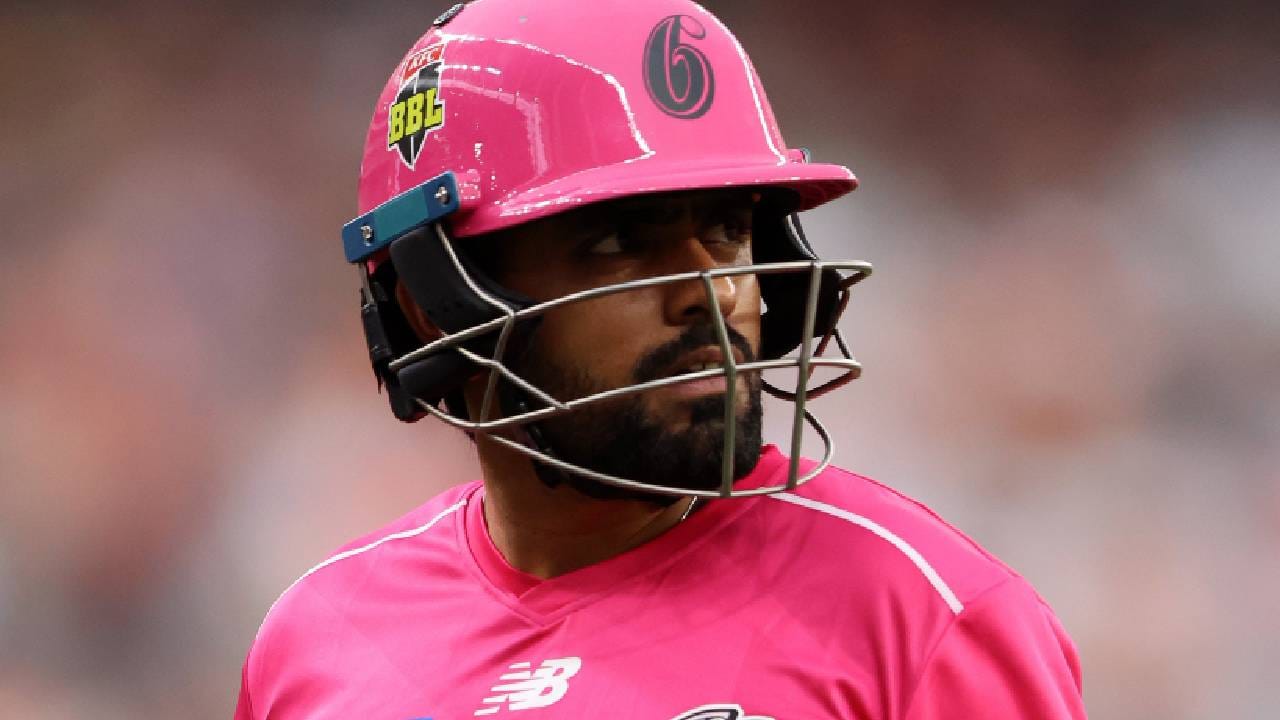
While official figures remain unconfirmed, various reports indicate that the players could be confronting losses amounting to millions of rupees. Alarmingly, some cricketers reportedly invested not only their personal funds but also money belonging to family members and close associates. This amplifies the severity of the financial setback.

The Pakistan Cricket Board (PCB) is taking the matter seriously. They are reportedly initiating a comprehensive review to address the concerns raised and explore potential courses of action. The board aims to protect its players from future vulnerabilities and ensure greater financial literacy among its athletes. Hence, this incident highlights the critical need for robust financial advisories within sports.