
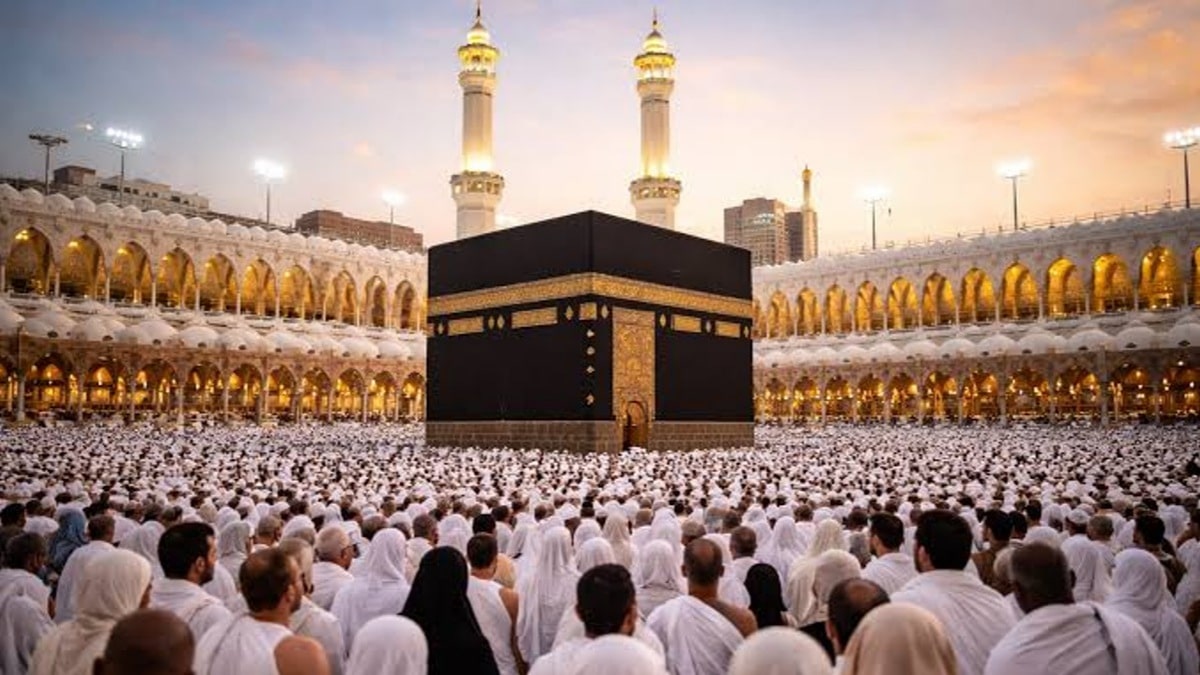
The Ministry of Religious Affairs is implementing a structural overhaul of the Private Hajj scheme to align Pakistan’s pilgrimage logistics with global digital standards. By exercising direct supervision over private operators through the Pak Hajj App, the government establishes a transparent baseline for all transactions. This strategic pivot ensures that packages, agreements, and payments remain under rigorous official monitoring, effectively mitigating the risks of financial exploitation and operational mismanagement.
Strategic Calibration of the Private Hajj Scheme
Consequently, the new framework integrates the Saudi Nusuk Masar system to catalyze efficiency across the board. Specifically, 25 selected private Hajj companies will now operate under strict ministry supervision. Furthermore, the introduction of a one-window mechanism for agreements and payments simplifies the bureaucratic landscape. This digital architecture allows pilgrims to choose their preferred companies from calibrated packages available directly within the official application.
The Translation: Digital Oversight and One-Window Logistics
In technical terms, the ministry is transitioning from a passive regulatory role to an active digital auditor. Previously, the private sector operated with fragmented oversight, which often led to inconsistencies in service delivery. Now, the Private Hajj scheme utilizes a centralized database where every rupee and itinerary is logged. Moreover, the Ministry has consolidated the financial pipeline for Hajj 2027. Instead of utilizing 16 different banking institutions, all applicants will now process dues exclusively through Habib Bank Limited (HBL).
Socio-Economic Impact: Protecting the Citizen’s Asset
How does this change the daily life of a Pakistani citizen? For the average household, this reform provides critical financial security. By centralizing payments through HBL and monitoring service providers via the Pak Hajj App, the government eliminates the “trust deficit” that has historically plagued private bookings. Consequently, students and professionals planning their pilgrimage can now verify the legitimacy of their service providers in real-time. This structural precision reduces the likelihood of fraud, ensuring that life savings are protected throughout the holy journey.
The Forward Path: A Momentum Shift in Governance
This development represents a Momentum Shift for Pakistan’s religious tourism sector. It is not merely a stabilization move but a forward-thinking move toward a fully automated governance model. The integration of high-tier banking and mobile technology demonstrates a commitment to systemic efficiency. Ultimately, this calibrated approach ensures that the Private Hajj scheme operates with the same level of accountability as the government’s own programs, setting a new standard for public-private collaboration.








