Urban mobility serves as the baseline for a functioning city, requiring precise management during civic demonstrations to maintain systemic equilibrium. The Lahore Traffic Police recently finalized a strategic Lahore traffic plan to mitigate potential congestion caused by political assemblies scheduled near Mazang and Qurtaba Chowk today. Consequently, authorities expect increased traffic density after 4:00 pm as rally participants converge on these critical urban junctions.
Strategic Diversions in the Lahore Traffic Plan
To ensure structural flow, traffic wardens will implement phased diversions from 4:00 pm until sunset in Hamdard Chowk and surrounding localities. Furthermore, Chief Traffic Officer Syed Abdul Rahim Shirazi urged motorists traveling from Jain Mandir toward Ichhra to bypass Lytton Road entirely. Instead, drivers should utilize calibrated alternative routes including Mall Road, Lawrence Road, and Shadman to maintain their transit velocity.

Personnel Deployment and Real-Time Updates
The department has deployed three DSPs and over 100 traffic wardens to execute this logistics operation with precision. If traffic pressure exceeds the baseline capacity, wardens will immediately redirect vehicles to pre-planned secondary corridors. Moreover, citizens should verify their routes via the 15 helpline or Rasta FM before initiating any journey to ensure maximum time efficiency.
The Translation
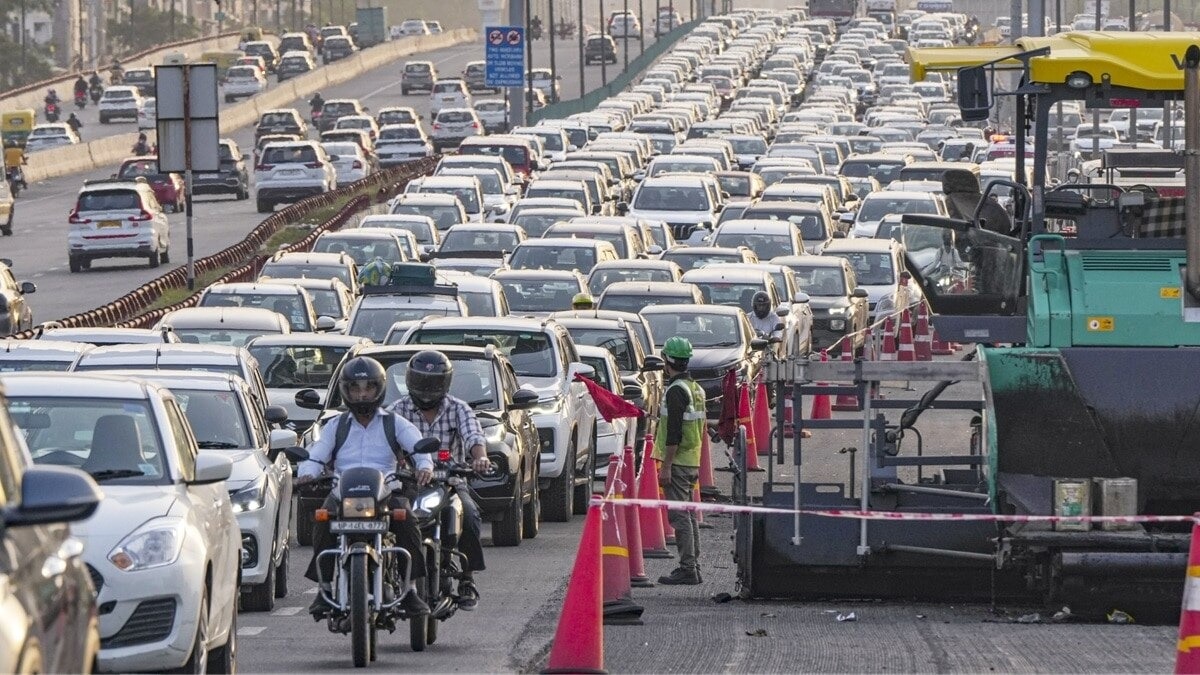
In technical terms, the “phased diversions” mentioned in the Lahore traffic plan represent a dynamic load-balancing strategy for the city’s road network. Instead of a total shutdown, the police are using fluid barriers that shift based on the actual volume of the protest. This approach prioritizes keeping the major arteries like Mall Road open, even if it adds mileage to the individual commute.
The Socio-Economic Impact
For the average Pakistani professional or student, these diversions prevent the total paralysis of the afternoon economy. While detours cause minor delays, they prevent the multi-hour “gridlock traps” that lead to missed shifts and fuel wastage. In rural-urban transit zones, these clear instructions allow transporters to bypass bottlenecks, ensuring that the supply chain for daily goods remains operational despite the political activity.
The Forward Path
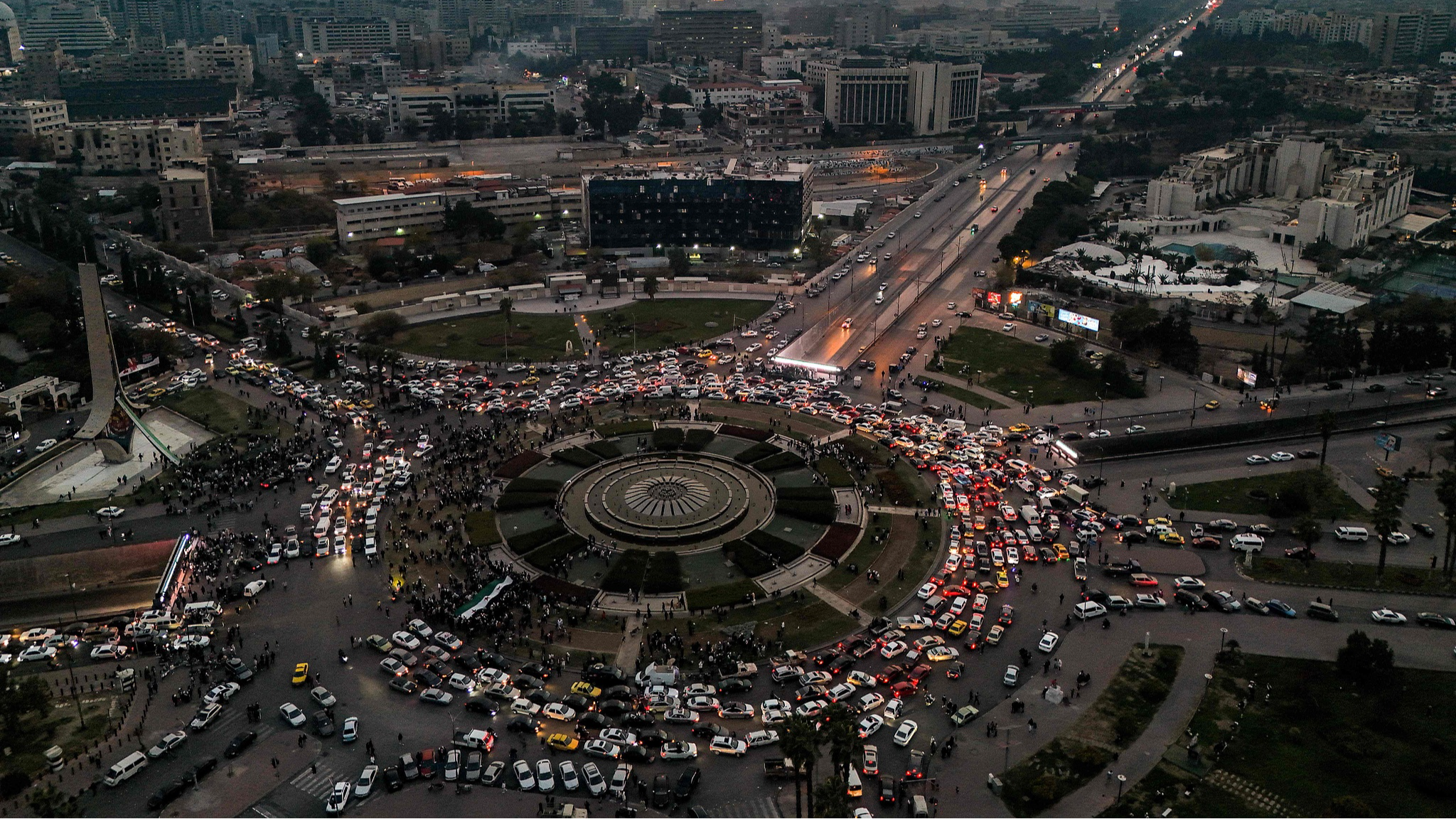
This development represents a Stabilization Move. While it does not solve the underlying cause of protest-induced congestion, the deployment of 100+ wardens and real-time FM updates shows an increasing reliance on data-driven traffic management. For a “Next Gen” Pakistan, the ultimate catalyst will be transitioning from manual wardens to smart signaling systems that adjust automatically to crowd density.