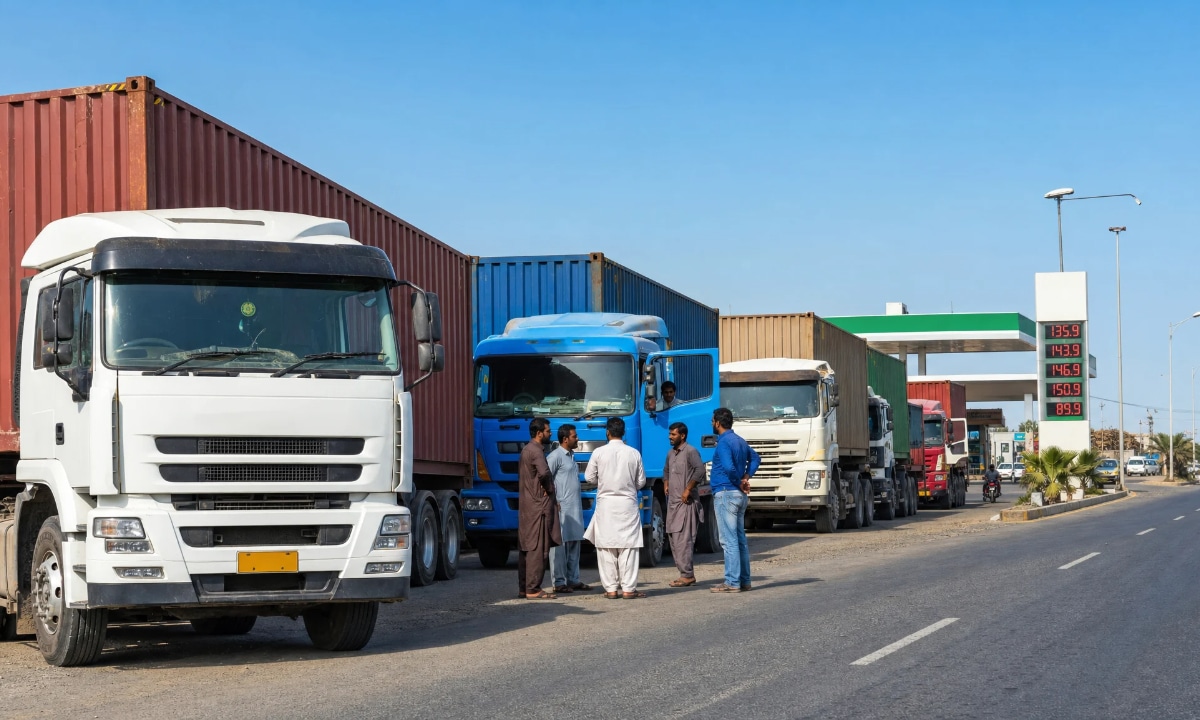
Logistics form the structural backbone of any emerging economy, yet Pakistan currently faces a calibrated shutdown of its vital supply chain. The Pakistan Mini Mazda Association and the All Pakistan Goods Transport Owners Association have officially declared a nationwide goods strike starting August 8. This collective action responds to volatile daily petroleum price revisions, excessive toll taxes, and systemic enforcement failures that have marginalized the transport sector.
Strategic Gridlock: The Transporters’ Demands
Transport leaders have identified several precision-based failures in current government policy. Central President Tanveer Jatt emphasized that the current daily revision of fuel prices creates an unpredictable baseline for freight budgeting. Consequently, the association demands a transition to monthly price adjustments to ensure operational stability. Furthermore, they are calling for immediate relief from what they describe as unjust fines and predatory toll taxes.
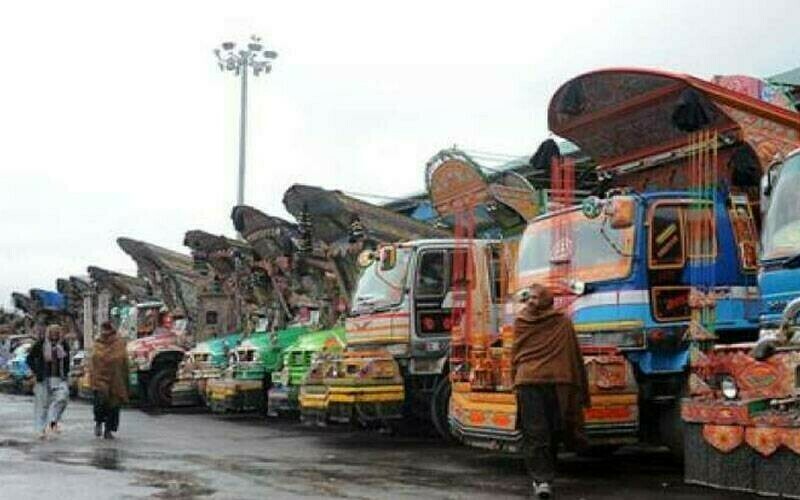
The leadership warned that this nationwide goods strike will halt all freight movement across the country if the government fails to initiate a dialogue. President Chaudhry Owais Gujjar specifically highlighted the following core grievances:
- Strict and transparent implementation of legal axle-load limits.
- Elimination of alleged corruption within the Regional Transport Authority and Highway Patrol.
- Urgent repairs to deteriorating road infrastructure that causes frequent accidents.
- Fair compensation for vehicles damaged or destroyed during civil unrest.
The “Situation Room” Analysis
The Translation (Clear Context)
The transport sector is essentially demanding a “Predictability Index.” When fuel prices fluctuate daily, the cost of moving goods becomes a moving target. This volatility prevents transporters from signing long-term contracts with manufacturers. By demanding monthly revisions, transporters are seeking to stabilize the financial architecture of the logistics industry, making it more resilient to global market shocks.
The Socio-Economic Impact
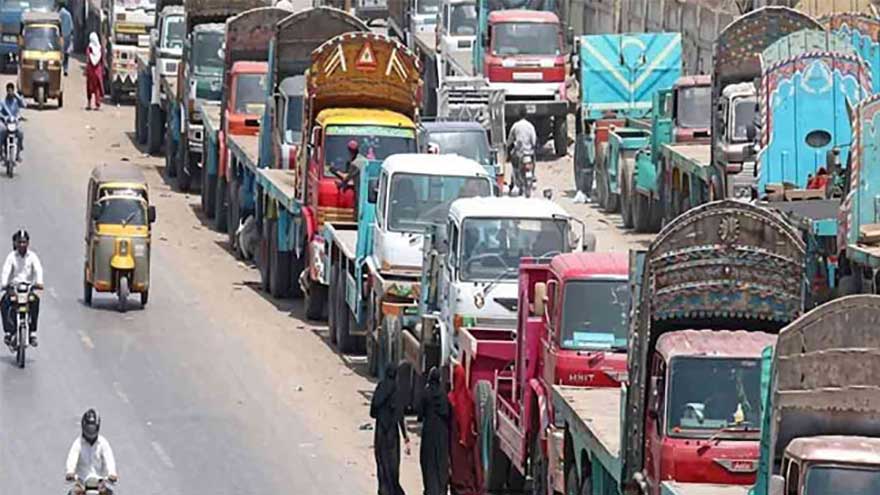
How does this change the daily life of a Pakistani citizen? A nationwide goods strike serves as a catalyst for rapid inflation. When trucks stop moving, the supply of fresh produce, medicine, and industrial raw materials drops instantly. Consequently, households in both urban and rural Pakistan will likely face higher prices at retail outlets. For professionals in the import-export sector, this disruption could lead to missed shipping deadlines and international penalties.
The Forward Path (Opinion)
This development represents a critical Momentum Shift. The government cannot afford to ignore the transport sector’s call for structural reform. While the strike is a drastic measure, the underlying demand for better road safety and transparent taxation is a baseline requirement for a modern economy. A successful resolution will require the state to move beyond punitive enforcement toward a collaborative, data-driven regulatory framework.

Transport leader Khalid Arain noted that while operators in other nations receive state-level support, Pakistani transporters face constant pressure and lack of security. He argued that although overloaded vehicles should be restricted, the enforcement must be based on stakeholder consultation rather than arbitrary punitive actions. The coming days will determine if the government can calibrate its policies to prevent a total economic standstill.