Calibrating the Karachi Transport Policy for Efficiency
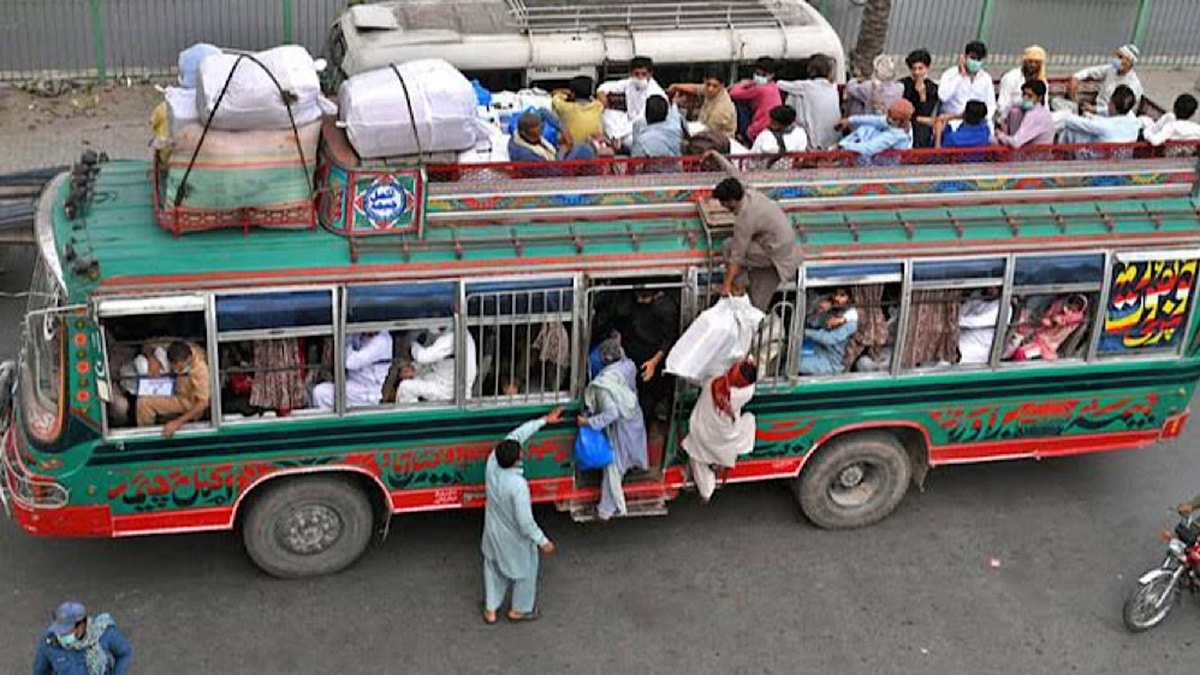
Urban mobility serves as the baseline for a city’s economic output. Consequently, Karachi Commissioner Syed Hassan Naqvi is refining the Karachi Transport Policy to maximize efficiency across the metropolitan landscape. During a recent Regional Transport Authority (RTA) Board meeting, Naqvi directed officials to prioritize underserved suburban sectors when issuing bus route permits.
Furthermore, the administration is moving to eliminate redundant, long-distance routes that currently congest the city center. By focusing on high-demand corridors, the RTA aims to synchronize transport supply with the actual movement patterns of commuters. This structural realignment ensures that the “last mile” of connectivity is no longer a barrier for professionals and students in outlying areas.
Digital Traffic Systems and the Karachi Mobility Project
Precision in traffic management is the next catalyst for urban stability. Specifically, the board reviewed the Karachi Mobility Project, a comprehensive framework designed by the Sindh Transport Department to revolutionize public transit. As part of this technical evolution, authorities are currently computerizing traffic signals at five critical intersections.
Work has already commenced at the PIDC, Sindh Club (Metropole), and Avari Towers junctions. Moreover, teams will soon begin similar upgrades at Teen Talwar and Boat Basin. This digital transition aims to reduce idle times and improve fuel efficiency across the city’s transit network.
Infrastructure restoration is also a primary objective. Officials confirmed that technicians have restored 12 out of 16 previously non-functional traffic signals. Consequently, the city is nearing a baseline of full operational capacity for its primary signal network, which will drastically improve safety and flow.
The Situation Room Analysis
The Translation
The shift in the Karachi Transport Policy represents a move from “quantity” to “strategic density.” In the past, bus routes often followed legacy paths that ignored new residential hubs. By computerizing signals and re-mapping routes, the city is essentially building a “Smart Grid” for buses. This reduces “ghost routes” where buses run empty, while adding capacity where citizens are currently stranded.

The Socio-Economic Impact
For the average Pakistani citizen in suburban Karachi, this change reduces the “poverty of time.” Improved route logic means shorter wait times and fewer transfers. Ultimately, this puts more disposable income back into household pockets by lowering daily transit costs and increasing the hours available for productive work or education.
The Forward Path
This development constitutes a Momentum Shift. While signal repair is a stabilization move, the fundamental revision of route permits according to commuter data is a progressive leap. If the Sindh Transport Department maintains this calibrated approach, Karachi could finally transition from a chaotic transit system to a high-precision mobility network.