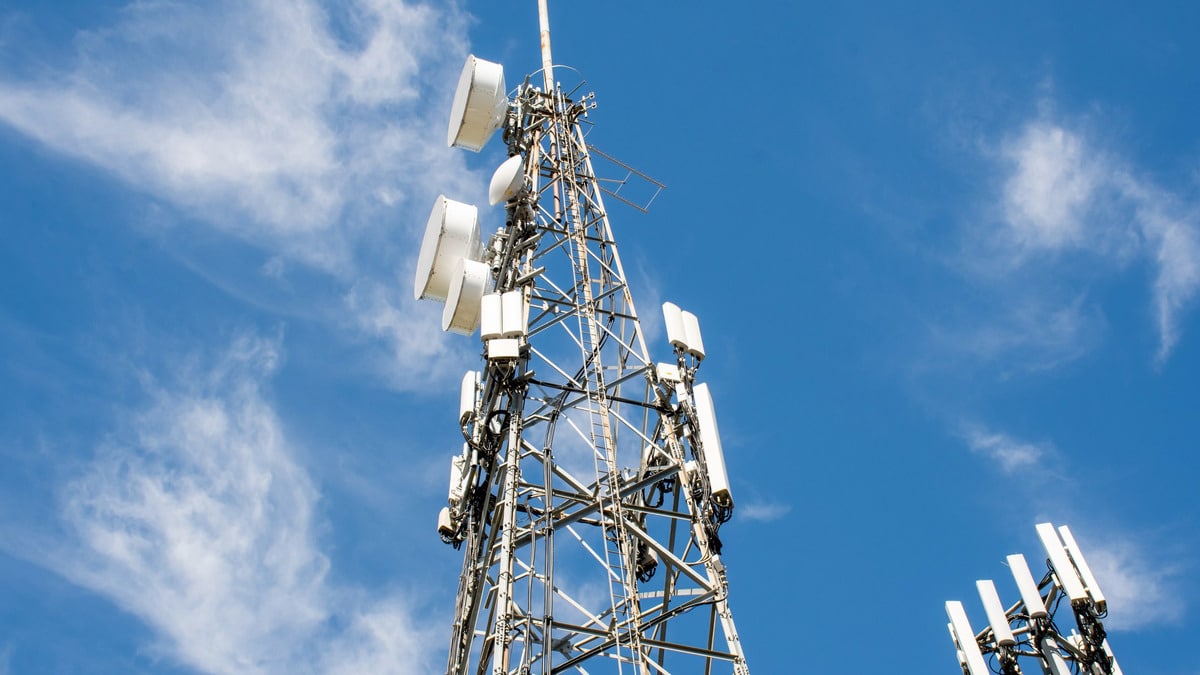
The Government of Pakistan has officially launched a strategic initiative to extend industrial electricity tariffs to the nation’s telecom operators. This calibrated move follows the recent decision to grant the telecommunications sector formal industrial status. Consequently, a joint task force has convened to establish a precise framework that transitions operators away from high-cost commercial rates toward a more sustainable energy model.
Architecting a Resilient Digital Backbone
The task force comprises technical experts from the Ministry of Information Technology and Telecommunication (MoITT), the Power Division, NEPRA, and the PTA. During the inaugural meeting, participants examined the legal and technical requirements for this structural shift. Telecom operators highlighted that current commercial rates exert unnecessary financial pressure on a sector that now functions as a baseline public utility rather than a luxury service.
Strategic Objectives and Service Continuity
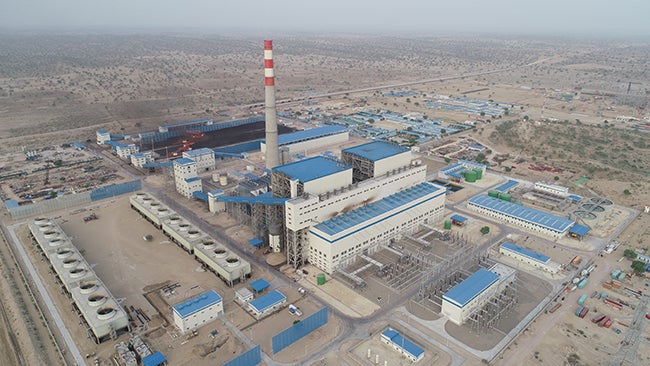
Beyond immediate cost reductions, the policy directive emphasizes long-term network resilience. The task force is currently evaluating smart grid solutions and dedicated power feeders to mitigate the impact of prolonged outages. Furthermore, these industrial electricity tariffs will likely act as a catalyst for increased investment in rural connectivity, ensuring that digital access remains uninterrupted across all demographics.

The Situation Room Analysis
The Translation
In simple terms, the government is reclassifying how mobile network providers pay for power. By moving them from “Commercial” (high cost) to “Industrial” (lower cost) categories, the state acknowledges that the internet is the engine of the modern economy. This isn’t a subsidy; it is a correction that aligns energy costs with the sector’s critical role in national infrastructure.

The Socio-Economic Impact
For the average Pakistani citizen, this policy translates to improved service reliability. When operators face lower overheads, they can maintain backup power systems more effectively during load-shedding. For students in remote areas and professionals in urban centers, this means fewer dropped calls and more stable data connections, fostering a more inclusive digital economy.
The Forward Path (Expert Opinion)
This development represents a Momentum Shift. By addressing the high cost of energy—a primary operational expense for telcos—the government is removing a significant barrier to digital expansion. To maximize this impact, the final framework must ensure that these savings are reinvested directly into infrastructure upgrades and rural coverage extension.