

SpaceX is orchestrating a structural shift in the global telecommunications landscape by evolving into a comprehensive SpaceX mobile network operator. This strategic expansion places Elon Musk’s company in direct competition with established giants like AT&T, T-Mobile, and Verizon. By integrating satellite precision with new ground-based systems, SpaceX intends to offer a complete mobile service directly to the consumer market, moving beyond its baseline satellite internet model.
The $19.6 Billion Catalyst for the SpaceX Mobile Network
SpaceX recently executed a calibrated acquisition of 65MHz of wireless spectrum licenses from EchoStar. This $19.6 billion investment serves as the primary catalyst for their transition into the terrestrial mobile market. Unlike traditional satellite services, this spectrum includes terrestrial components. Consequently, SpaceX can now deploy ground-based hardware that transforms Starlink into a true, multi-dimensional mobile network.
SpaceX President Gwynne Shotwell confirmed the company’s intent to build the specific hardware required for this nationwide rollout. Currently, Starlink’s direct-to-device capabilities serve primarily as a supplemental emergency layer. However, this new infrastructure allows SpaceX to compete for primary mobile subscriptions rather than simply supporting existing operators in rural dead zones.
Strategic Challenges in Market Penetration
Market reaction to the announcement was immediate. Shares for Verizon, AT&T, and T-Mobile retracted by up to 4% as investors analyzed the potential for disruption. Despite this momentum, several analysts maintain a cautious outlook. Traditional carriers have invested hundreds of billions over three decades to refine their nationwide grids. In contrast, SpaceX currently possesses a smaller spectrum portfolio and faces a steep climb in infrastructure development.
One potential shortcut involves securing a Mobile Virtual Network Operator (MVNO) agreement. This arrangement would allow SpaceX to lease capacity from existing towers while marketing the service under the Starlink brand. However, established carriers may view SpaceX as too significant a threat to facilitate such an entry.

The Situation Room Analysis
The Translation (Clear Context)
In technical terms, SpaceX is moving from being a “niche provider” to a “systemic operator.” By acquiring terrestrial spectrum, they are essentially buying the “highway” needed to transmit mobile data on the ground. This means your future smartphone could seamlessly switch between a satellite in orbit and a tower down the street without you ever losing a signal.
The Socio-Economic Impact
For the average citizen, the SpaceX mobile network represents a potential end to the “digital divide.” In countries like Pakistan, where rural infrastructure is often lagging, a hybrid satellite-terrestrial model could provide high-speed connectivity to students and professionals in remote areas. This competition typically drives down prices and forces legacy providers to upgrade their service quality.
The “Forward Path” (Opinion)
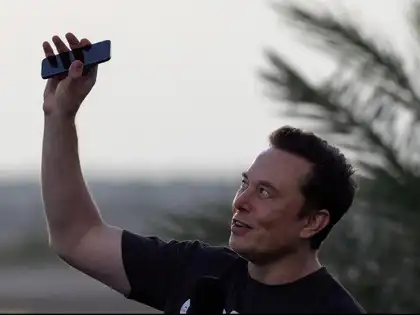
This development represents a significant Momentum Shift. While the capital requirements are staggering, SpaceX has a history of defying traditional cost models through vertical integration. If they can replicate their satellite deployment efficiency in the terrestrial space, they will not just compete—they will redefine what a mobile carrier looks like in the 21st century.








