
The Sindh Cabinet recently approved a calibrated overhaul of the Sindh vehicle registration system to enhance fiscal transparency and administrative efficiency. Chief Minister Syed Murad Ali Shah chaired the session, which integrated various provincial stakeholders to finalize these structural reforms. Consequently, the government aims to modernize the province’s taxation and insurance framework to serve as a catalyst for economic stability.
Strategic Shifts in Sindh Vehicle Registration and Tax Compliance
The cabinet introduced a rigorous de-registration policy targeting off-road and permanently damaged vehicles. Owners must submit a formal written declaration by September 30, 2026, to categorize unusable assets correctly. Furthermore, the authorities will classify vehicles as “off-road” if the owners have neglected motor vehicle taxes since July 2010 and failed to submit the required declaration.

Administrative oversight will tighten significantly under this new protocol. Specifically, the system will suspend the registration of non-compliant vehicles after a 30-day grace period. If dues remain unpaid for another 60 days, the department will permanently cancel the registration. This precision-based approach ensures that only active, tax-compliant vehicles remain on the provincial database.
Relief for Motor Dealers and Insurance Portability
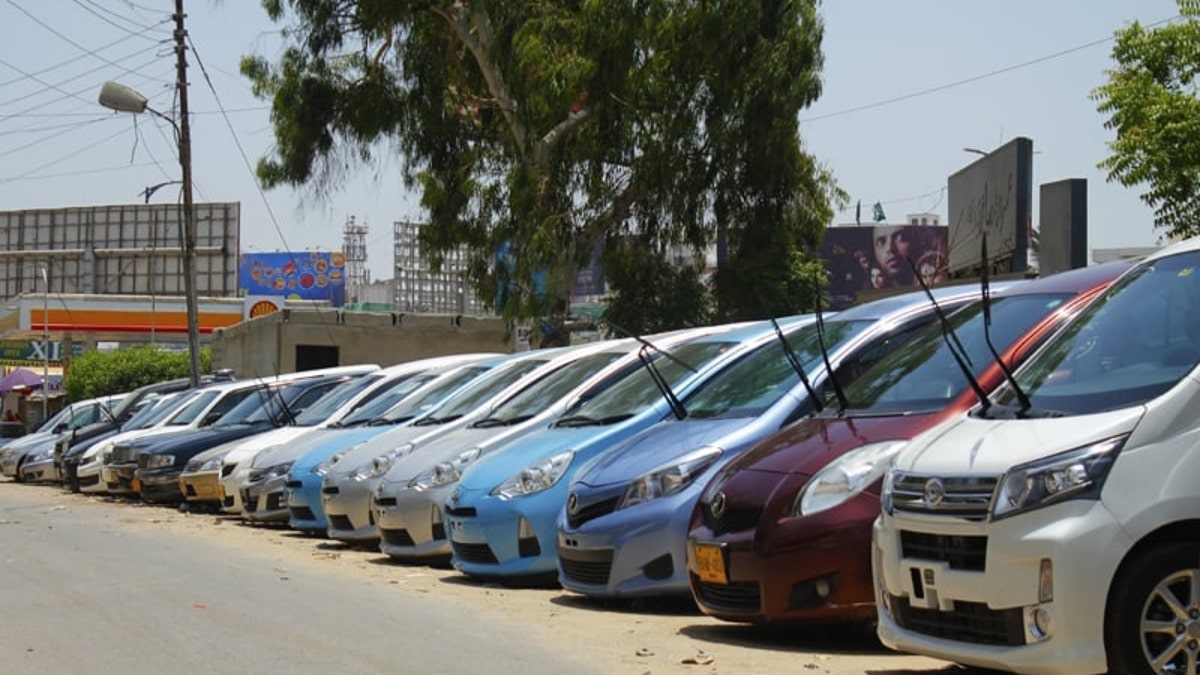
The government also calibrated new incentives for licensed motor dealers to support the automotive trade. Dealers may now hold vehicles for resale for up to six months without immediate registration. Additionally, they can request two extensions of three months each, provided the total holding period does not exceed one year. This flexibility requires a minimal reporting fee of Rs100 per vehicle.

Moreover, the reforms transform the Motor Third Party Insurance system. Under the revised policy, existing insurance remains valid until its natural expiry, even after a change in vehicle ownership. This eliminates the redundant costs previously forced upon buyers during a transfer. Consequently, the Securities and Exchange Commission of Pakistan and the Insurance Association of Pakistan have already endorsed these measures.
The Situation Room Analysis
The Translation
The Sindh government is essentially “cleaning the books” of the provincial transport database. By de-registering vehicles that have been tax-delinquent for over a decade, the state is removing “ghost” data that complicates urban planning and security. Furthermore, decoupling insurance from the individual and attaching it to the vehicle chassis simplifies the secondary market transaction process.
The Socio-Economic Impact
These measures provide direct financial relief to the middle-class Pakistani household. By making insurance portable, the government removes a hidden “transfer tax” that often discouraged legal ownership updates. For the broader economy, the relief for motor dealers reduces the operational overhead of the used-car industry, potentially stabilizing prices in a volatile market.
The Forward Path
This development represents a Momentum Shift. While tax enforcement is often viewed as a stabilization move, the integration of digital tracking and insurance portability indicates a shift toward a modern, Western-style registry. This systemic efficiency will likely increase provincial revenue while simultaneously reducing the bureaucratic friction faced by the average citizen.








