
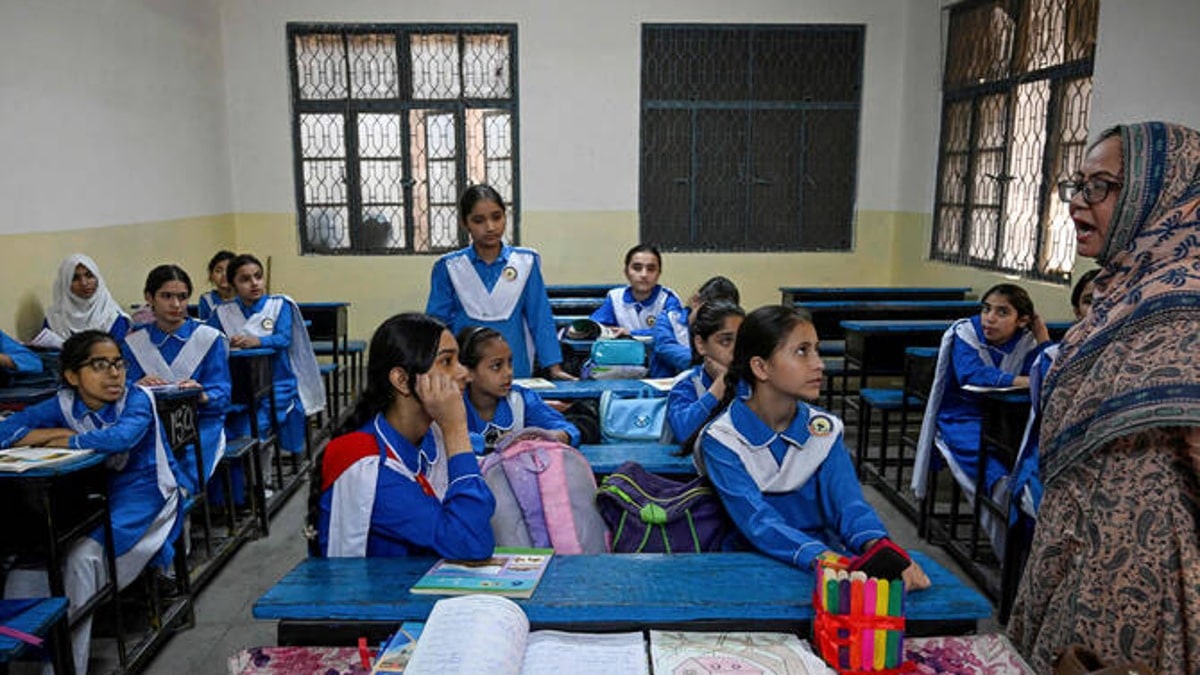
The Punjab School Education Department (PSED) is initiating a strategic Punjab school upgrade program, targeting 1,000 high schools for transition to higher secondary status. This calibrated move aims to bridge the gap between matriculation and intermediate studies by utilizing existing structural foundations across the province.
Data-Driven Infrastructure Assessment
To ensure system efficiency, the PSED has requested comprehensive data from 6,000 high schools. Currently, 4,800 institutions have provided baseline metrics, and 795 schools have proactively signaled interest in this structural expansion. However, the department maintains a disciplined approach, stating that no facility will receive an upgrade without a rigorous third-party inspection.

Assessments focus on specific precision variables, including:
- Availability of additional ground space for expansion.
- Structural suitability of existing school buildings.
- Access to essential utilities and modern laboratory facilities.
Furthermore, school heads must submit detailed institutional reports to finalize the eligibility baseline.
The Translation: Strategic Educational Integration
This initiative is not merely an administrative change; it is a systemic recalibration of the educational pipeline. By upgrading high schools, the government is implementing “vertical integration.” This allows students to transition from Matric to Intermediate (FA/FSc) within the same ecosystem, significantly reducing the “friction of transition” that often leads to dropouts.

The Socio-Economic Impact
Consequently, this development serves as a catalyst for economic stability within Pakistani households. By providing higher secondary education locally, the program eliminates the financial burden of student relocation to urban centers. Rural families, in particular, will see a direct benefit as local access to intermediate education improves the baseline employability and academic trajectory of provincial youth.
The Forward Path: A Significant Punjab School Upgrade
In our expert view, this development represents a Momentum Shift for the province. While it is a massive logistical undertaking, the integration of 1,000 schools into the higher secondary tier creates a more robust human capital framework. The success of this evolution now depends on the precision of third-party audits and the strategic recruitment of specialized faculty to meet intermediate standards.








