

The global transition toward cloud-native computing represents a calibrated shift in hardware requirements, exemplified by the new Asus Chromebook CX15. Asus engineered this device to serve as a high-efficiency baseline for students and young professionals who prioritize system mobility and integrated intelligence. By combining a lightweight architecture with the Google AI ecosystem, the CX15 establishes a new standard for entry-level precision in the digital workplace.
Calibrated Design and Visual Infrastructure
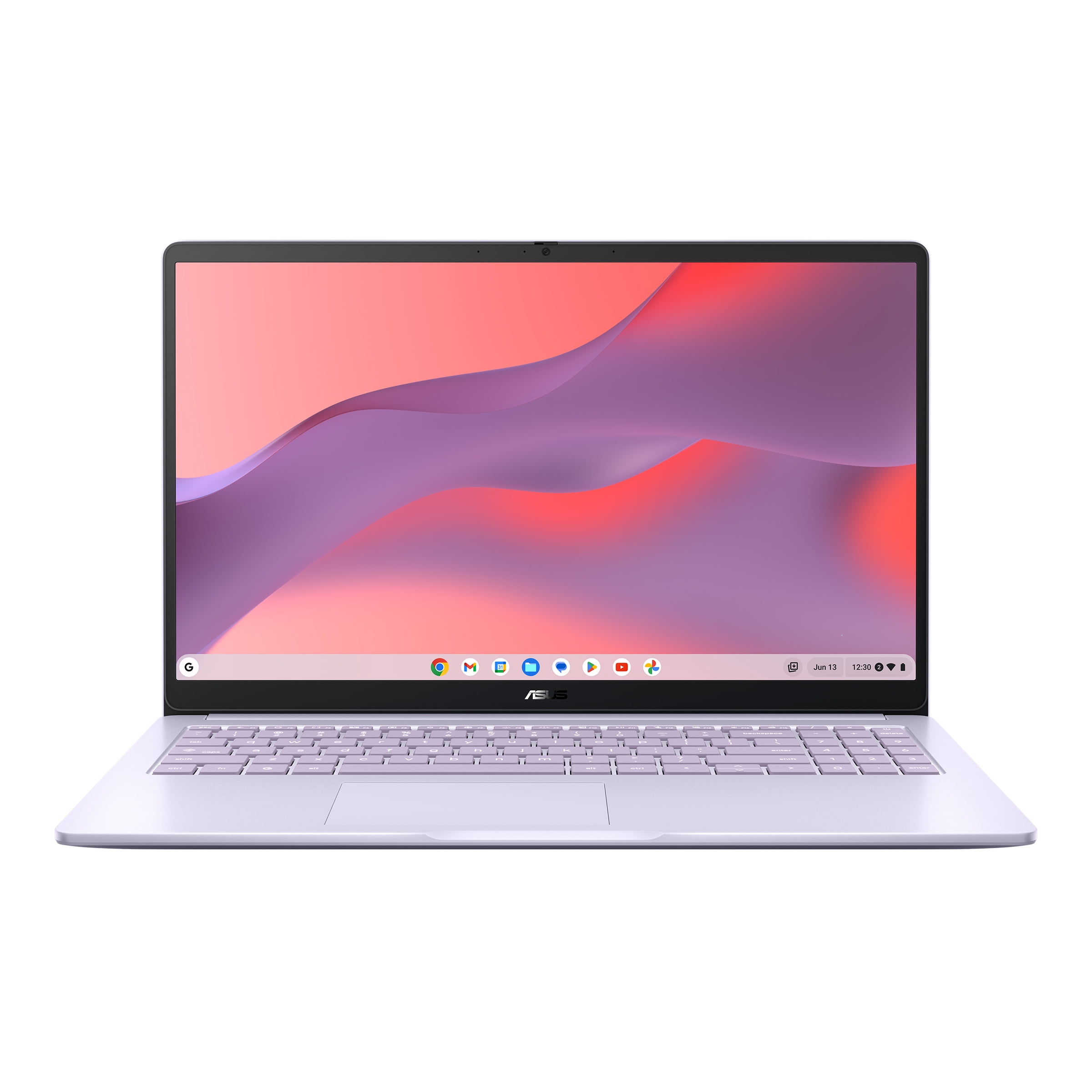
The Asus Chromebook CX15 utilizes a 15.6-inch Full HD IPS NanoEdge display to maximize visual workspace. This panel delivers 300 nits of brightness and features an anti-glare coating to ensure operational clarity in diverse lighting environments. Consequently, the 87% screen-to-body ratio provides an immersive interface without increasing the device’s physical footprint.
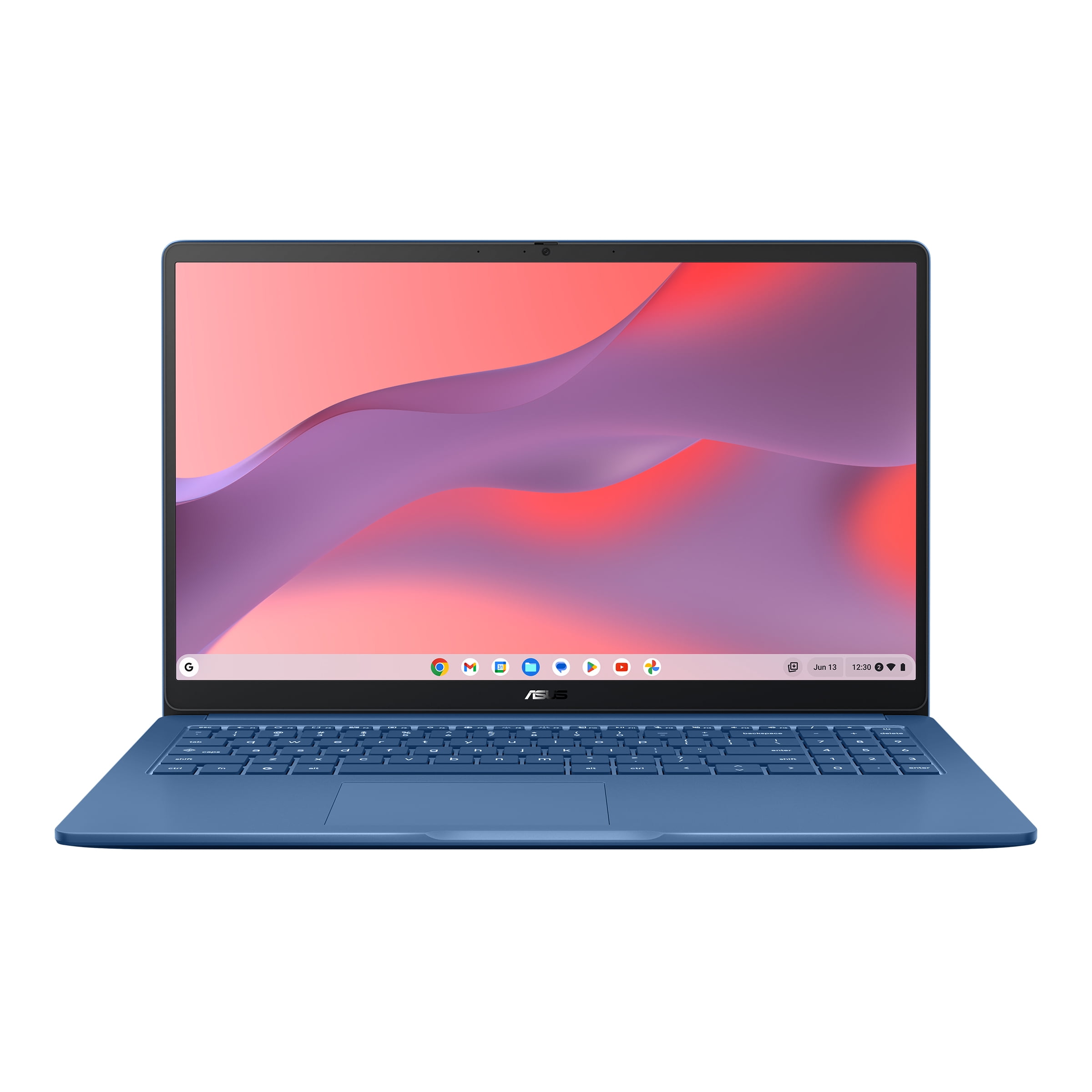
Maintaining a structural weight of only 1.59kg, the chassis features a Pure Grey finish inspired by traditional Japanese washi paper. Furthermore, the hardware adheres to MIL-STD-810H military-grade durability standards. This certification ensures the laptop survives the rigorous mechanical stresses of daily travel and professional use.

Asus Chromebook CX15 Hardware Architecture
Under the hood, the system operates on the Intel Processor N50, a chip specifically selected for its thermal efficiency and cloud-workload optimization. Asus paired this processor with 8GB of LPDDR5 RAM and 128GB of eMMC storage. This hardware configuration provides the necessary bandwidth for seamless web browsing, document editing, and high-definition video conferencing.
Specifically, the integration of ChromeOS ensures that security remains a core structural component. The inclusion of the Titan C security chip and automatic background updates protects user data against evolving digital threats. Additionally, a physical webcam privacy shutter provides a hardware-level fail-safe for user security.
The Google AI Catalyst
The Asus Chromebook CX15 acts as a gateway to advanced machine learning tools. Every unit includes a three-month Google AI Pro membership, granting access to premium Gemini features within the Google Workspace suite. Users can leverage Gemini for drafting complex communications in Gmail or performing predictive data analysis in Sheets. This package also includes 5TB of cloud storage and Google Flow for AI-assisted video production.
The Situation Room: Analysis
The Translation
While traditional laptops focus on “raw local power,” the Asus Chromebook CX15 focuses on “systemic agility.” It trades heavy internal processing for optimized cloud access. This means you aren’t paying for expensive hardware that depreciates; you are paying for a high-quality interface to Google’s massive server-side AI processing power. The 12.5-hour battery life is a direct result of this efficiency-first logic.
The Socio-Economic Impact
For the Pakistani citizen, this device addresses the “Digital Access Gap.” In a landscape where energy stability can be fluctuating, the 12.5-hour battery life ensures a full day of productivity without needing a power grid. For students in urban centers like Lahore or remote areas, the $500 price point combined with professional-grade AI tools offers a competitive advantage in the global freelance and academic markets.
The Forward Path (Opinion)
This development represents a Momentum Shift. By making the Asus Chromebook CX15 available through offline retail stores, Asus is democratizing access to high-tier educational tools. This isn’t just a “budget laptop”; it is a strategic asset for a nation transitioning into an AI-driven economy. It sets the baseline for what a functional, modern workstation should look like in 2024.








