
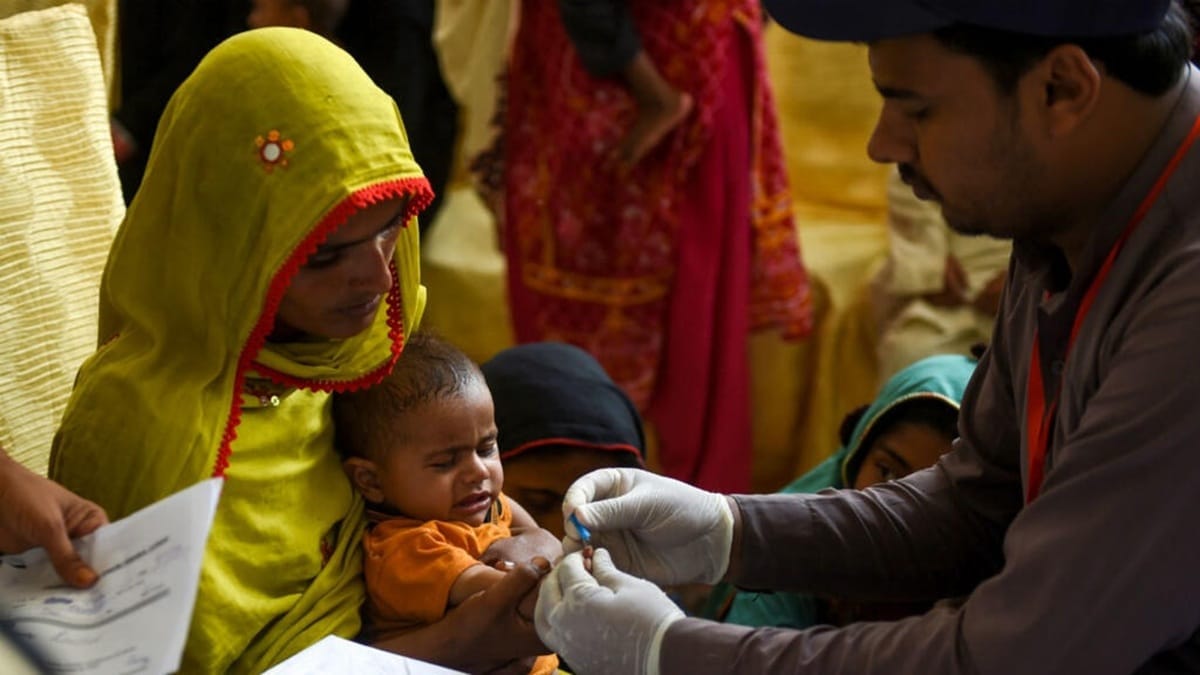
The Sindh health department is orchestrating a calibrated expansion of the Sindh HIV treatment network to mitigate recent public health disruptions. Consequently, officials reported to the Sindh High Court that they have implemented rigorous structural measures to contain an outbreak detected at the SESSI-run Valika Hospital. This systematic response aims to stabilize the healthcare baseline for affected pediatric populations through precision tracking and long-term clinical support.
Establishing a Strategic Sindh HIV Treatment Infrastructure
To ensure widespread access to life-saving care, the provincial government has activated 44 antiretroviral therapy (ART) centers under its communicable disease control program. Furthermore, these centers serve as a catalyst for province-wide screening and surveillance. Since the initiative’s inception, health officials have screened 10,474 individuals, successfully identifying 120 cases for immediate intervention. Consequently, every diagnosed patient now receives free treatment, counselling, and consistent follow-up care to prevent further transmission.
Accountability and Operational Audits
The Sindh Healthcare Commission conducted two detailed inspections of Valika Hospital to identify administrative and clinical vulnerabilities. Their findings revealed critical deficiencies in infection prevention and control protocols. Consequently, the department recommended immediate corrective actions to prevent future systemic failures. While the health department provides technical support and surveillance, the labour department maintains administrative oversight of SESSI-run facilities. Legal proceedings are currently underway against officials identified as responsible for the initial breach in safety standards.
The Translation: Understanding the Response Logic
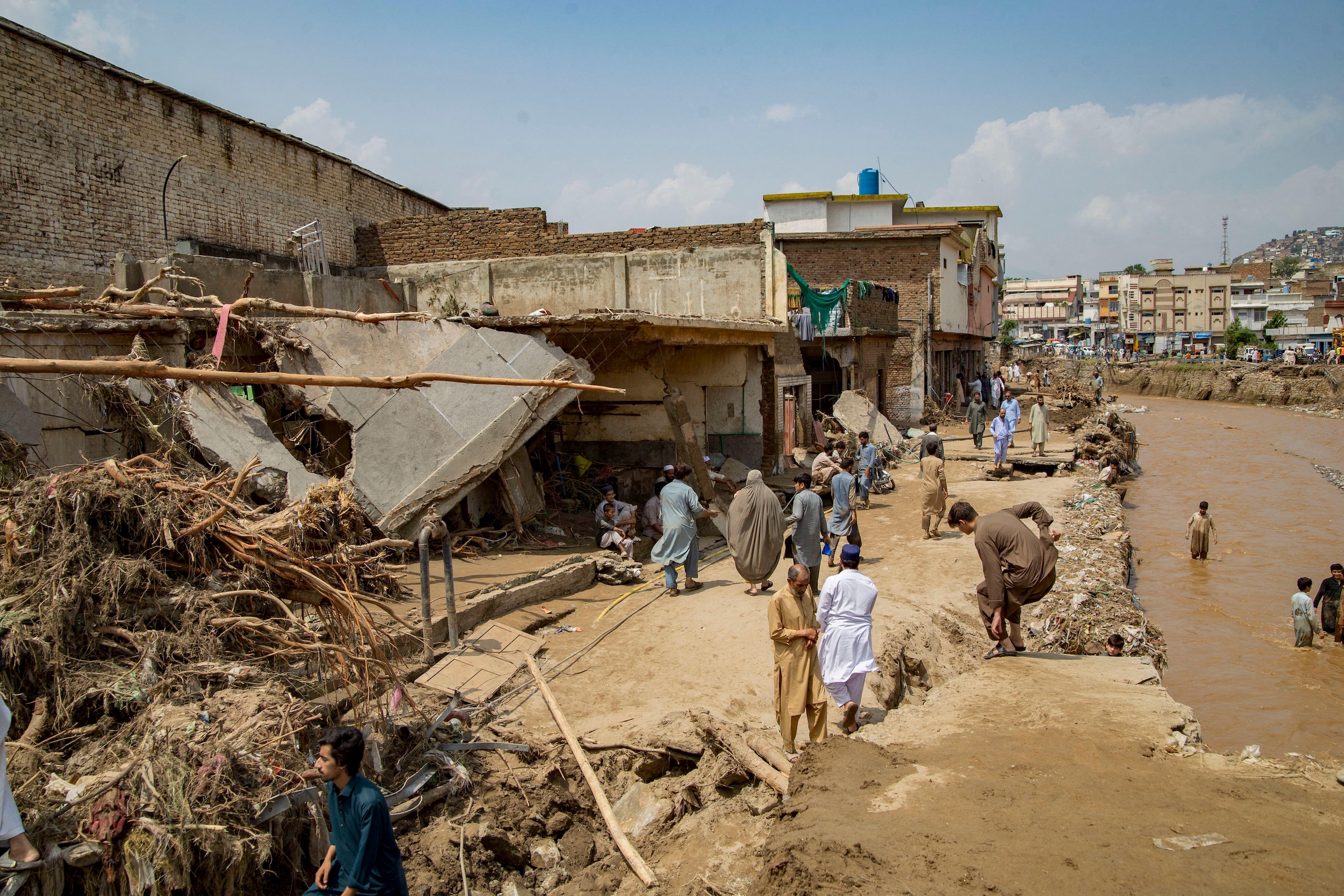
In “Next Gen” clarity, this development signifies a shift from reactive crisis management to proactive infrastructure building. An “ART center” is not merely a clinic; it is a specialized hub for Antiretroviral Therapy, the gold standard for managing HIV. By expanding this to 44 locations, the state is creating a redundant safety net that ensures no geographic region is left without diagnostic or therapeutic capabilities. The legal petition serves as a structural audit, forcing multiple state organs—from the IGP to Child Protection Authorities—to synchronize their efforts.
The Socio-Economic Impact: Impact on the Citizenry
For the average Pakistani household, this expansion reduces the “cost of care” barrier that often leads to untreated chronic illnesses. By providing free treatment and counselling, the state protects the economic viability of families who would otherwise be devastated by medical debt. Specifically, for urban and rural laborers, this ensures that a health crisis does not become a generational poverty trap. Enhanced surveillance protocols also mean that public spaces, particularly hospitals, will adhere to higher safety standards, benefiting every citizen seeking medical attention.
The Forward Path: Strategic Momentum Shift
This development represents a Momentum Shift toward high-precision public health governance. While the initial outbreak was a tragic failure of oversight, the subsequent rapid deployment of 44 ART centers demonstrates an architectural capacity for scaling health solutions. The true test of progress will be the “Forward Path” of the Sindh Healthcare Commission’s recommendations. If these infection control standards are strictly enforced across all SESSI and provincial facilities, Pakistan can transform this crisis into a baseline for a more resilient national health system.








