Revolutionizing Urban Mobility: Karachi Double-Decker Buses
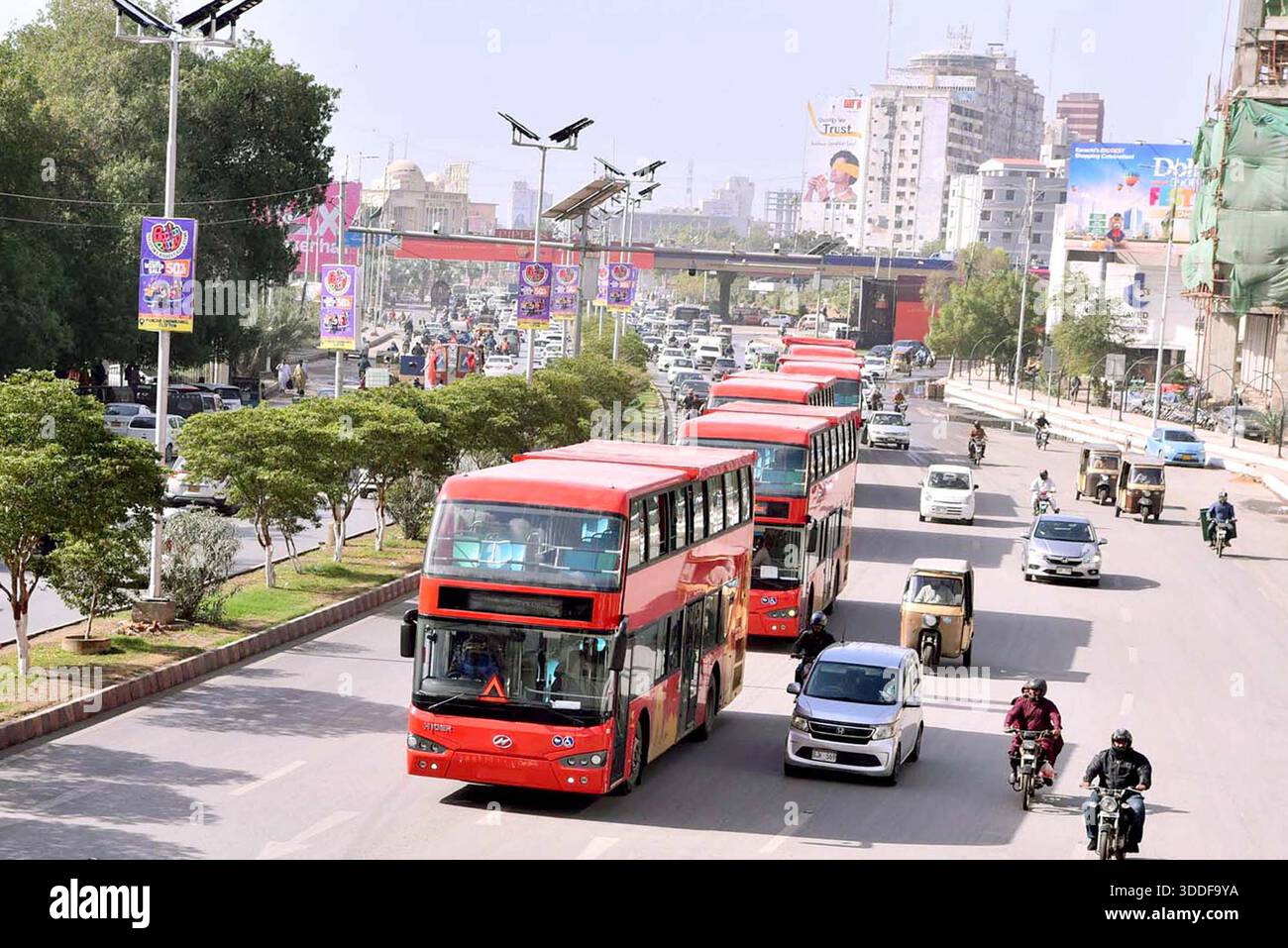
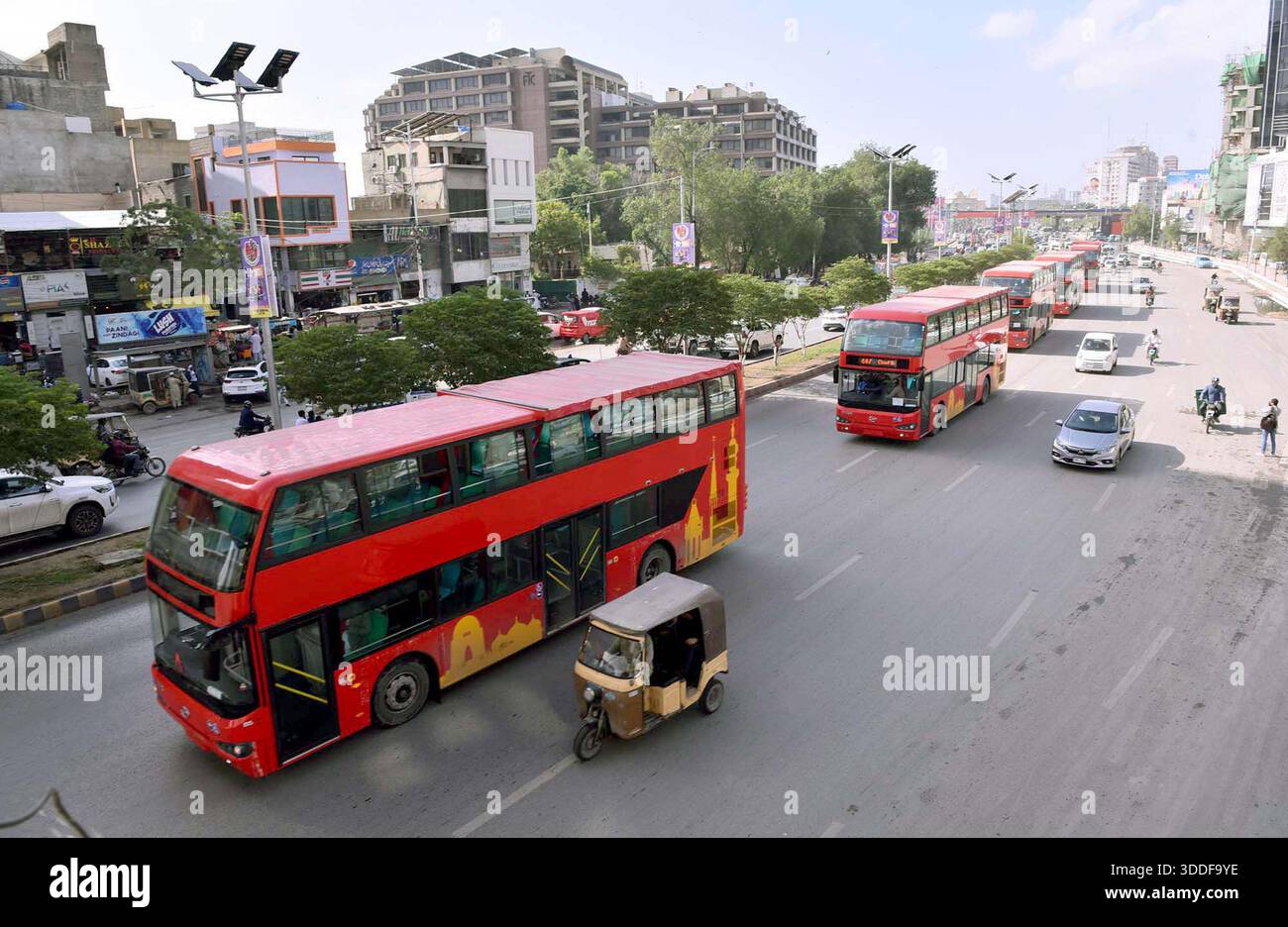
Structural progress in Karachi’s transit infrastructure accelerates as the Sindh government prepares to deploy 50 Karachi double-decker buses this October. This strategic calibration of the city’s transport network, announced by Senior Minister Sharjeel Inam Memon, represents a catalyst for high-capacity urban mobility. Consequently, these modern units will optimize route density and provide a precision-engineered travel experience for residents.
The Translation: Modernizing the Mass Transit Logic
Beyond the aesthetic appeal of two-tier vehicles, this initiative introduces a structural upgrade to the existing baseline of public transport. By integrating these 50 units, the Transport and Mass Transit Department is effectively doubling the passenger capacity per vehicle footprint. Furthermore, the broader strategic roadmap includes a phased induction of 1,000 electric buses later this year. This move transitions the provincial fleet toward a more environmentally calibrated system, reducing the carbon footprint of the urban commute while maintaining system efficiency.
Socio-Economic Impact: Precision Benefits for Citizens
The recalibration of the transport sector directly affects the daily life of every Pakistani citizen. Sharjeel Memon has emphasized that the goal is to provide safe, modern, and environmentally friendly facilities. Specifically, the socio-economic impact includes:
- Reduced Commute Friction: Higher capacity buses mean shorter wait times at peak hours for students and professionals.
- Economic Efficiency: Reliable public transit reduces the reliance on expensive private fuel-based options for middle-income households.
- Infrastructure Momentum: The directive to complete all Red Line BRT depots ensures that the physical network keeps pace with fleet expansion.
The Forward Path: A Momentum Shift in Infrastructure
In our expert assessment, this development signifies a genuine Momentum Shift for the metropolis. While maintenance of existing fleets is a stabilization move, the simultaneous execution of Red Line BRT infrastructure and the induction of high-capacity double-decker buses indicates a forward-thinking vision. This is not merely a replacement of old assets; it is a structural expansion of Karachi’s digital and physical transit frontier, setting a new baseline for provincial transport standards.