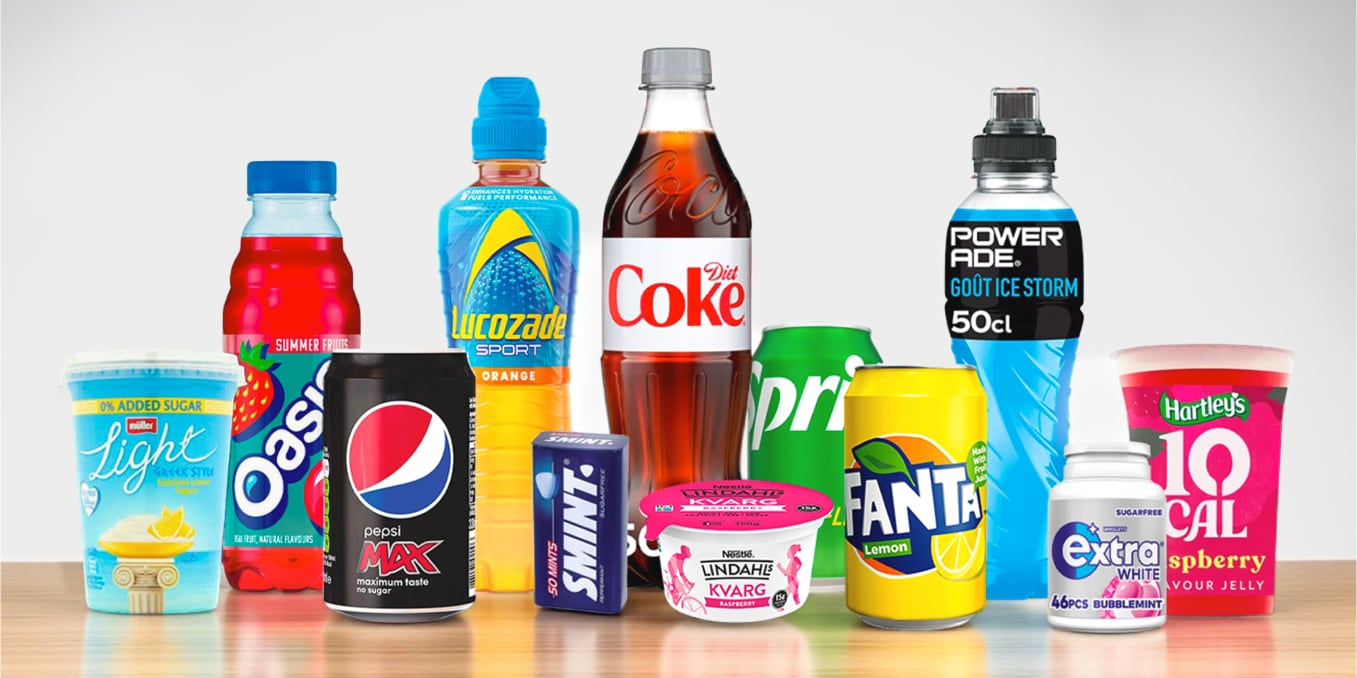
The National Assembly Standing Committee on National Food Security and Research recently identified a significant artificial sweeteners risk within the domestic beverage industry. Scientific data from the National Institutes of Health links frequent consumption of synthetic beverages to metabolic disorders and serious oncological threats. Consequently, legislative bodies are now calibrating new quality standards to safeguard the health of the Pakistani population.
Addressing the Artificial Sweeteners Risk Through Regulation
Chaired by MNA Syed Hussain Tariq, the committee directed the Pakistan Standards and Quality Control Authority (PSQCA) to initiate a technical review immediately. This structural shift aims to modernize beverage production guidelines and consumer safety protocols. The PSQCA must now collaborate with the Ministry of National Health Services and the NIH to create a baseline for future enforcement. Furthermore, the committee mandated a two-month deadline for the revision of existing quality standards for all flavored beverages.
The Translation: Decoding Regulatory Shifts
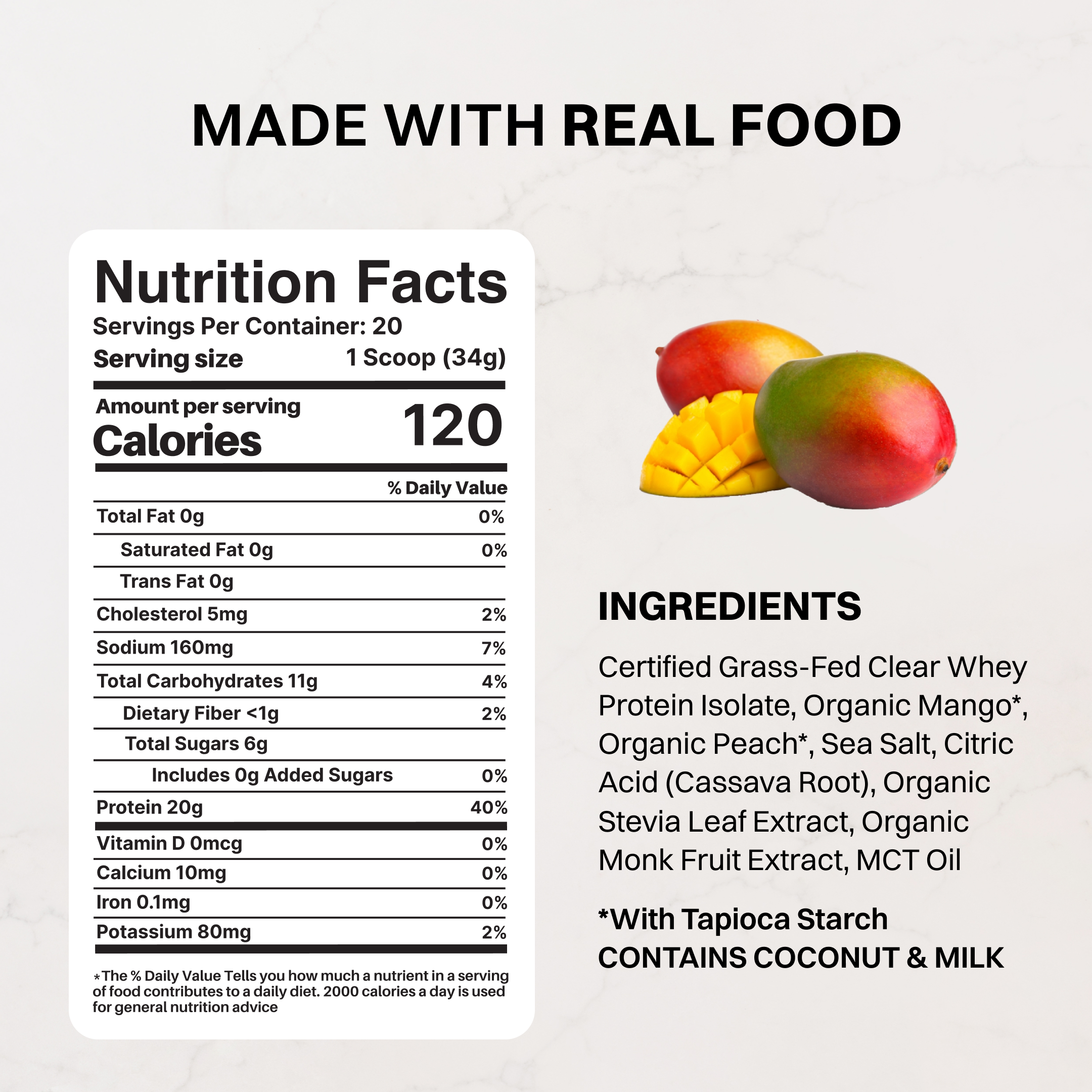
In technical terms, the government is moving from passive oversight to active precision. Specifically, the PSQCA will focus on “synthetic beverage toxicology,” which examines how chemical additives interact with human biology over time. By involving mango growers and other natural juice stakeholders, the committee seeks to pivot the market toward authentic fruit content. This transition minimizes reliance on lab-created chemicals that currently bypass rigorous safety screenings.
The Socio-Economic Impact: Protecting the Household
This regulatory overhaul directly impacts the daily lives of millions of Pakistani citizens, particularly those in urban centers where processed drinks are prevalent. Clearer labeling and prominent health warnings allow parents to make calibrated decisions for their children. By reducing the incidence of early-onset diabetes, the state lowers the long-term healthcare burden on households. Moreover, regulating plastic bottle packaging addresses the environmental and hormonal risks associated with poor-quality food-grade materials.

The Forward Path: A Momentum Shift
We view this development as a significant Momentum Shift toward national health security. The integration of scientific evidence from the NIH into industrial policy reflects a more disciplined, STEM-driven approach to governance. To maintain this progress, the technical committee must ensure that the “fruit pulp content” requirements remain stringent. Ultimately, mitigating the artificial sweeteners risk is a catalyst for a more resilient and health-conscious Pakistani workforce.