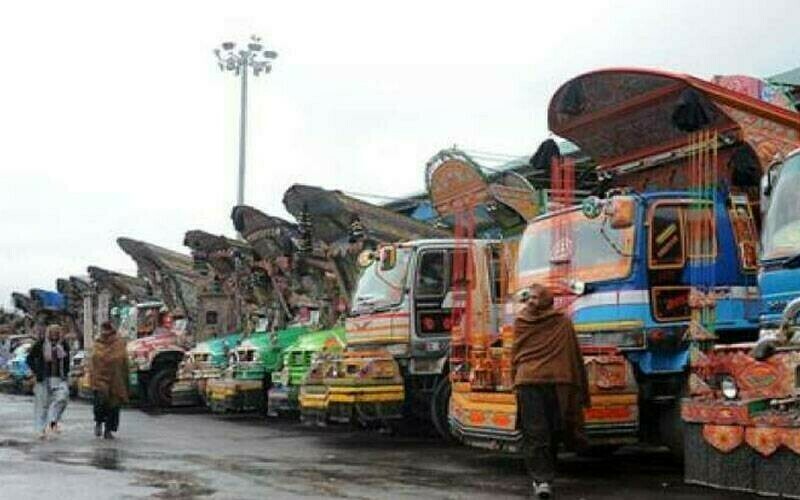
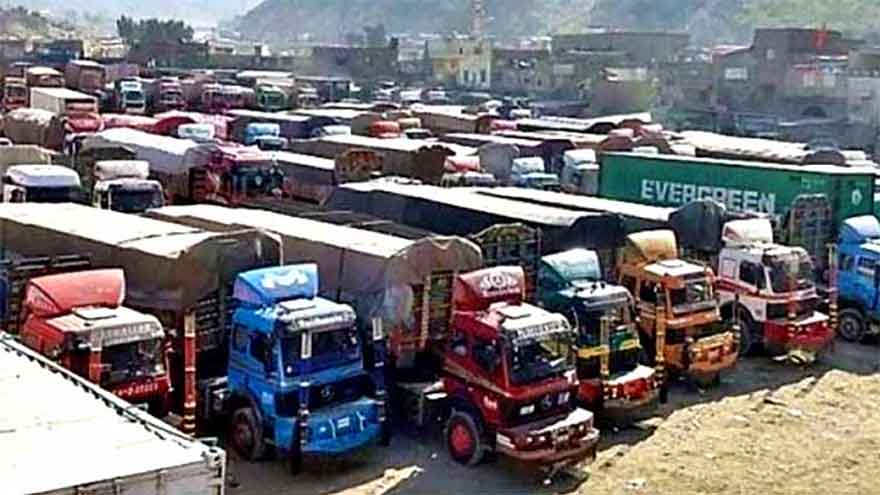
The logistical framework of the country faces a systemic challenge as the goods transporters strike is set to commence on August 8. Consequently, the All Pakistan Goods Transport has declared an indefinite suspension of services until the government addresses a specific charter of demands. This precision-focused move follows a press conference at the Karachi Press Club led by Malik Shehzad Awan. He emphasized that transport associations nationwide have calibrated their efforts to maintain this strike until structural reforms are implemented.
The Translation: Decoding the Logistical Friction
The current unrest is not merely a protest but a strategic response to escalating operational costs within the transport sector. Transporters are advocating for a transition from daily petroleum price adjustments back to a monthly baseline. Furthermore, they are demanding a significant reduction in withholding tax, proposing a shift from seven percent to two percent to align with oil tanker standards. This move aims to stabilize the financial viability of long-haul logistics.
Structural Demands and Fiscal Adjustments
Beyond fuel costs, the association seeks the immediate reversal of recent toll tax hikes to June 2024 levels. They also demand the withdrawal of Customs SRO 1619/2024 and more efficient issuance of HTV licenses. Specifically, the transporters rejected the law banning vehicles older than 20 years, arguing that such a move lacks a calibrated replacement strategy. Additionally, they are calling for an end to extortion under the guise of third-party insurance during registration in Sindh.
The Socio-Economic Impact: Effects on the Pakistani Household
A prolonged goods transporters strike will likely act as a catalyst for inflation across urban and rural markets. When the wheels of logistics stop, the cost of essential commodities, including food and medicine, inevitably rises due to supply chain bottlenecks. For the average Pakistani professional and student, this translates to increased daily expenses and potential shortages. Consequently, the efficiency of the national economy depends heavily on the rapid resolution of these structural grievances.

Security and Operational Safety
Safety remains a paramount concern for the transport community, particularly regarding the security of vehicles in Balochistan. Malik Shehzad Awan highlighted that alarming attacks on transport vehicles require immediate state intervention to improve law and order. Moreover, the demand for strict axle-load enforcement aims to curb overloading, which serves to protect both the infrastructure and the longevity of the transport fleet.

The Forward Path: Momentum Shift or Stabilization?
This development represents a Momentum Shift in the relationship between the transport industry and regulatory bodies. The transporters are no longer settling for minor adjustments; they are demanding a fundamental overhaul of the fiscal and security frameworks governing their operations. If the government initiates a precision-led dialogue, this could lead to a more stabilized and efficient logistical network. However, failure to address these systemic issues could result in a prolonged period of economic stagnation.