

In a calibrated effort to align software architecture with global hardware constraints, Microsoft is initiating a major Windows 11 optimization project. This strategy aims to recalibrate system efficiency for hardware equipped with 8GB of RAM. While 16GB has long been the recommended baseline for a fluid experience, the current global memory shortage has forced a structural shift. Consequently, Microsoft is engineering its operating system to remain responsive as manufacturers return to lower-capacity configurations.
Refining the Digital Architecture: Windows 11 Optimization
Pavan Davuluri, Microsoft’s President of Windows and Devices, recently confirmed these strategic adjustments. The primary objective is to reduce the system’s memory footprint across all daily user interactions. Currently, many systems utilize a significant percentage of their RAM before a single application is launched. Microsoft intends to mitigate this baseline consumption through precision engineering of the kernel and core services.
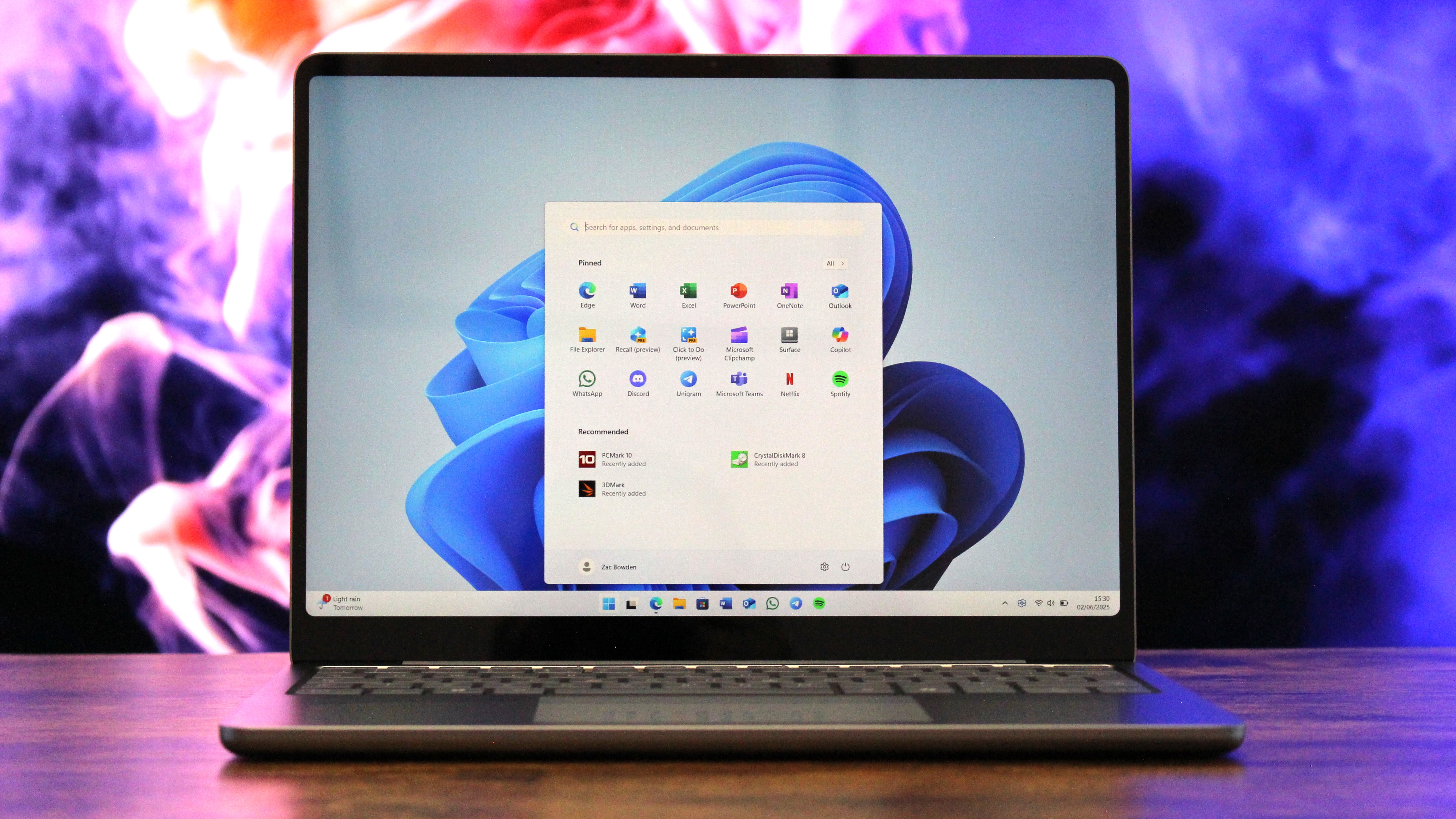
Furthermore, Microsoft is targeting specific components like WinUI 3, Chromium, and WebView2. By deploying a more efficient memory allocator, the system can reduce overhead across diverse components. These improvements will specifically benefit applications built on these frameworks, allowing them to operate within tighter hardware tolerances without compromising speed.
The Challenges of Current Hardware Consumption
Data from recent benchmarks highlights the necessity of this catalyst for change. For instance, testing on flagship laptops like the Dell XPS 13 showed that 70% of memory was consumed without any user programs active. In contrast, competitors like Apple’s MacBook Neo have demonstrated superior efficiency with similar RAM. Microsoft’s goal is to close this performance gap and ensure Windows devices remain competitive in the global market.
The Translation (Clear Context)
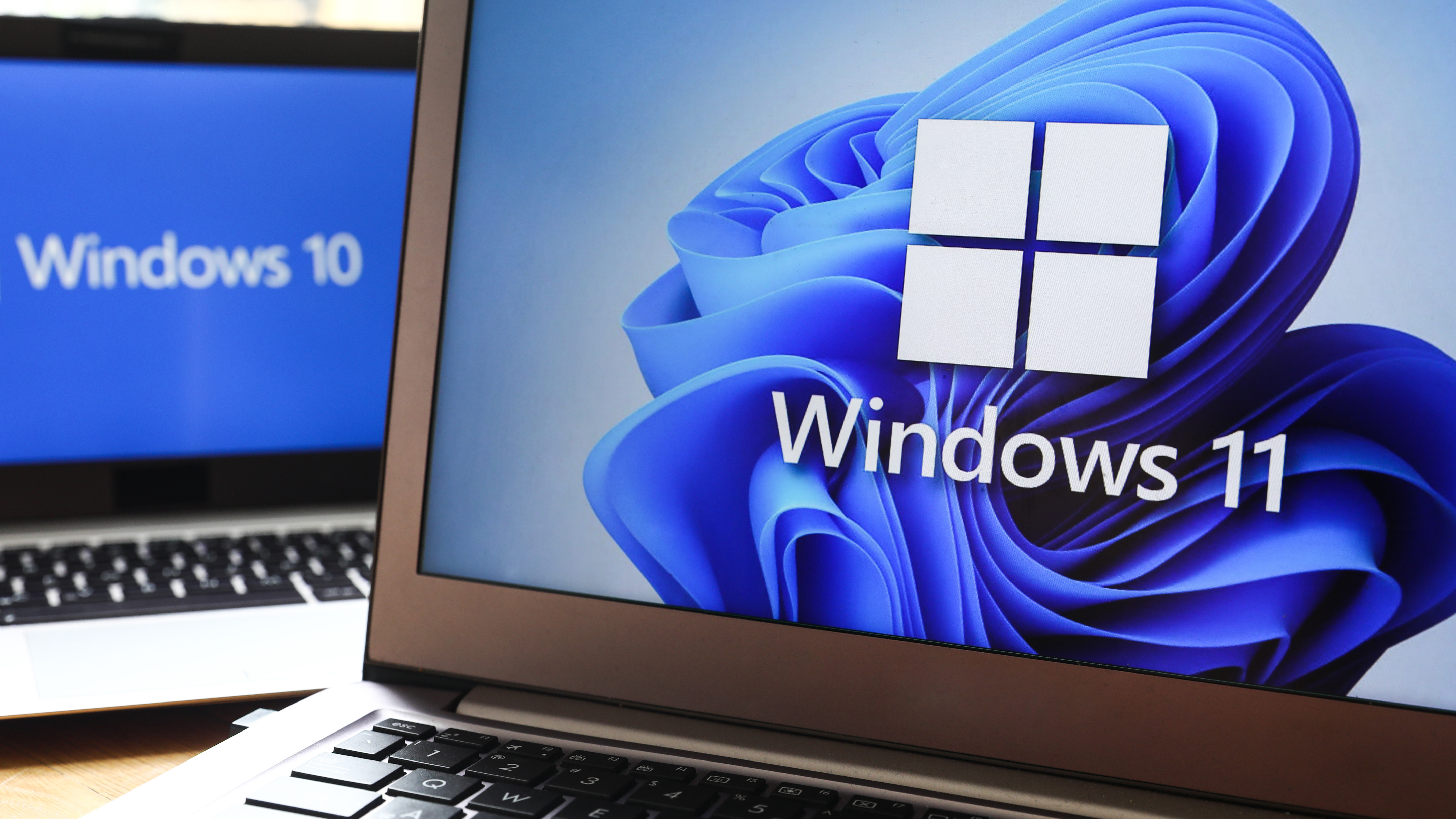
Essentially, Microsoft is performing “open-heart surgery” on how Windows 11 handles memory. Instead of allowing the system to hoard RAM “just in case,” the new updates will force the OS to be leaner. By optimizing the “memory allocator”—the system that hands out RAM to different programs—Microsoft ensures that every megabyte is used with maximum precision. This means your laptop won’t slow down just because the operating system is running in the background.
The Socio-Economic Impact
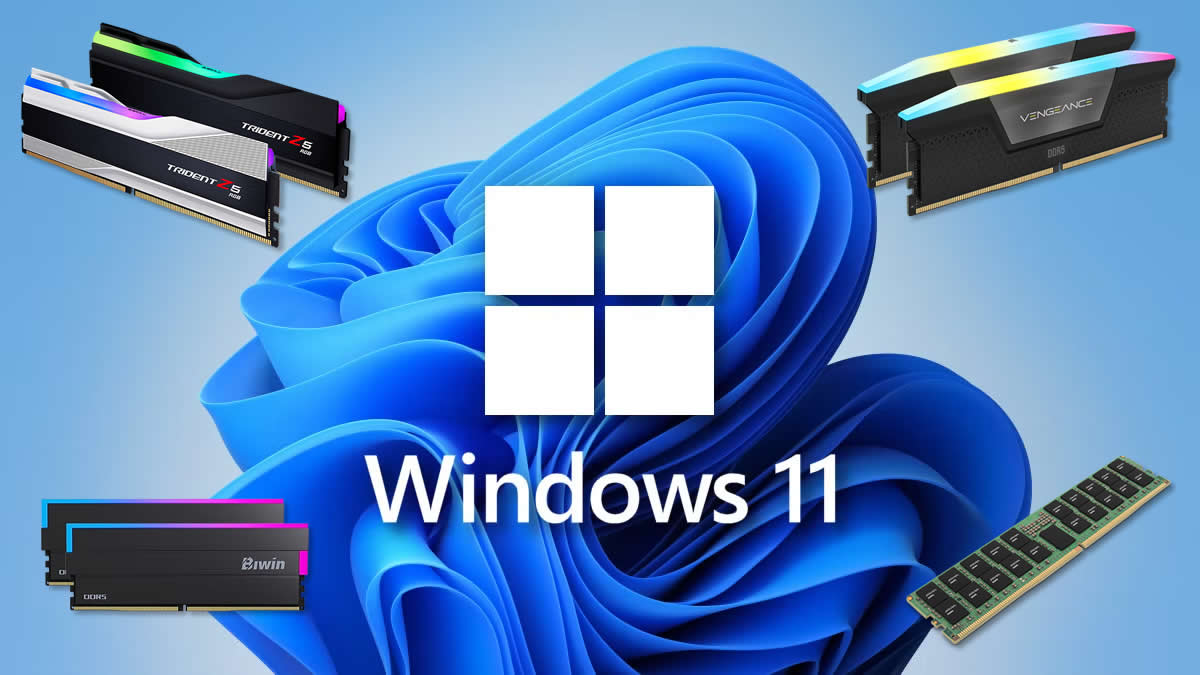
For the average Pakistani citizen, this development is a critical economic stabilizer. As AI industries consume the global supply of memory chips, laptop prices are surging. By making 8GB RAM configurations viable again, Microsoft is preventing the “entry-level” laptop from becoming unaffordable. Students and young professionals in Pakistan can now rely on more budget-friendly machines without sacrificing the professional-grade performance required for modern digital work.
The Forward Path (Opinion)
This move represents a significant Momentum Shift. Rather than forcing consumers to upgrade hardware during a period of scarcity, Microsoft is taking responsibility for software efficiency. This structural pivot shows a disciplined approach to ecosystem management. If successful, this optimization will extend the lifecycle of millions of devices, representing a win for both system efficiency and global sustainability.









