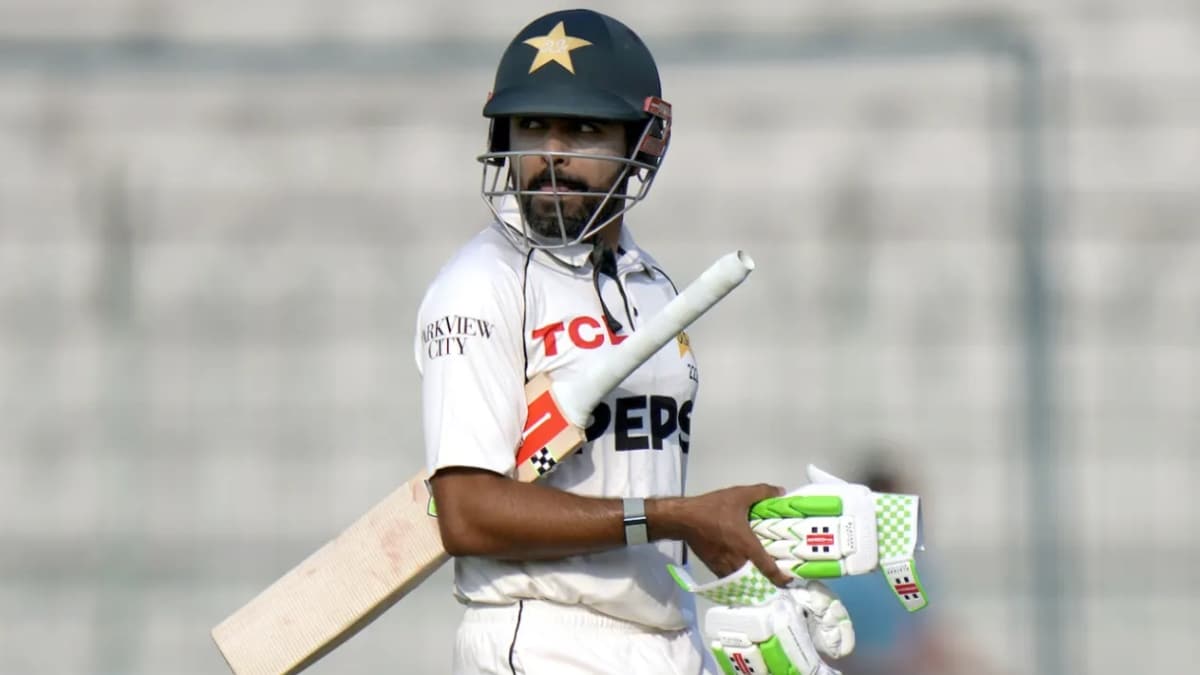
The Babar Azam captaincy has reached a calibrated milestone, as he becomes only the third leader in Pakistan’s history to command the national side in 150 international matches. By reaching this high-density benchmark, Azam joins the strategic company of legendary figures Imran Khan and Misbah-ul-Haq. Consequently, the Pakistan Cricket Board (PCB) has reappointed the 31-year-old as Test captain, aiming to stabilize the national framework ahead of critical series against the West Indies and England.
The Translation: Deconstructing the Leadership Metrics
In technical terms, reaching 150 matches is not merely a survival metric; it represents sustained structural trust from the governing body. The Babar Azam captaincy now spans all formats, encompassing Tests, ODIs, and T20Is with a high-precision win rate of 56 percent. Specifically, Babar has secured 84 victories, placing him just five wins behind Imran Khan’s all-time record of 89. This statistical proximity suggests a momentum shift in the hierarchy of Pakistani cricketing icons.
Pakistan Captains With Most International Matches
- Imran Khan: 187 Matches
- Misbah-ul-Haq: 151 Matches
- Babar Azam: 150 Matches
- Wasim Akram: 134 Matches
| Rank | Captain | Matches |
|---|---|---|
| 1 | Imran Khan | 187 |
| 2 | Misbah-ul-Haq | 151 |
| 3 | Babar Azam | 150 |
The Socio-Economic Impact: Cricket as a Catalyst for National Brand
Leadership stability in cricket functions as a precision baseline for Pakistan’s international image. When a captain like Babar Azam achieves elite status, it stimulates significant commercial interest and sponsorship ecosystems. Furthermore, this consistency provides a psychological anchor for millions of young Pakistanis. A stable Babar Azam captaincy fosters an environment where professional sports can thrive as a viable career path, directly impacting the sports-tech and athletic infrastructure sectors in urban centers like Lahore and Karachi.
The Forward Path: A Strategic Stabilization Move
The decision to reinstate Babar Azam over Shan Masood represents a clear Stabilization Move. While Masood’s tenure showed a calibrated win percentage of only 25%, Babar’s historical 45.45% in Tests offers a more reliable framework for upcoming challenges. However, the management must ensure this move does not create a workload bottleneck. Moving forward, the strategic focus must remain on batting precision while maintaining the structural integrity of the squad during high-pressure away tours.