
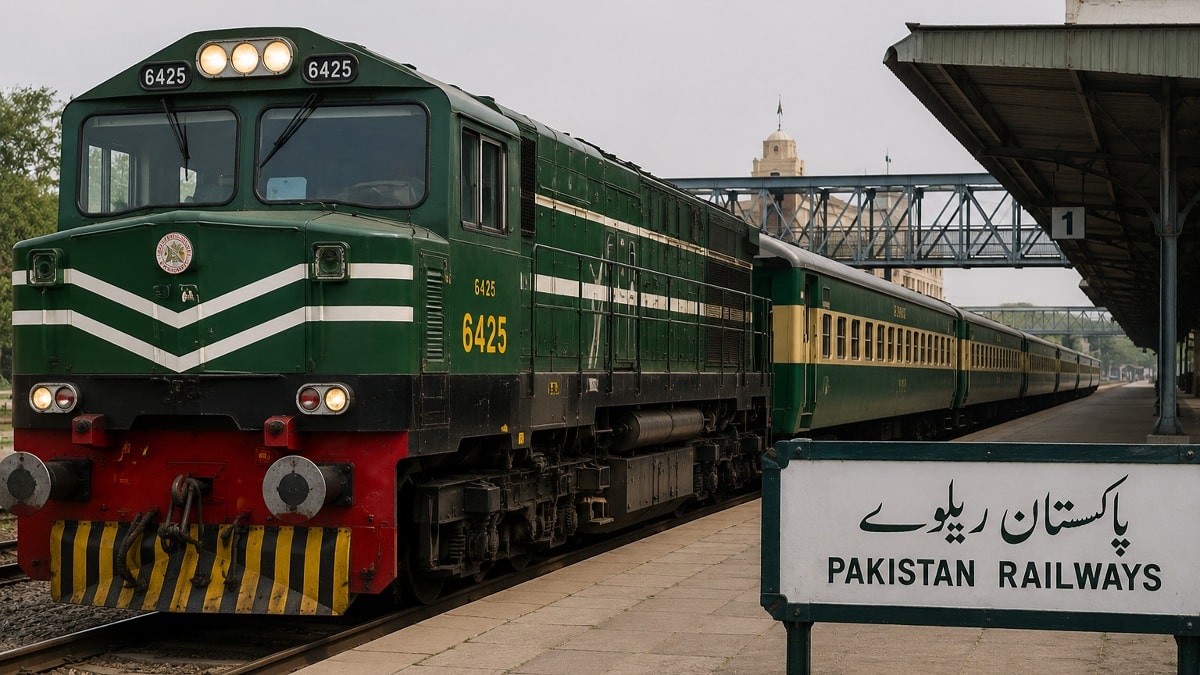
The Ministry of Railways recently issued a critical railway emergency declaration across its entire national network. This strategic decision follows a period of persistent heavy rainfall and escalating flood risks that threaten Pakistan’s transport backbone. Consequently, Federal Minister for Railways Hanif Abbasi has suspended all weekly holidays for railway personnel, ensuring a calibrated and immediate response to infrastructure damage.
Structural Integrity and Field Response
Minister Hanif Abbasi directed divisional superintendents to personally supervise all repair and restoration work. This precision-focused approach ensures that field offices remain functional 24/7. Furthermore, Pakistan Railways’ control rooms have initiated round-the-clock monitoring to track weather patterns and track stability. The ministry aims to minimize service disruptions through this aggressive mobilization of resources.
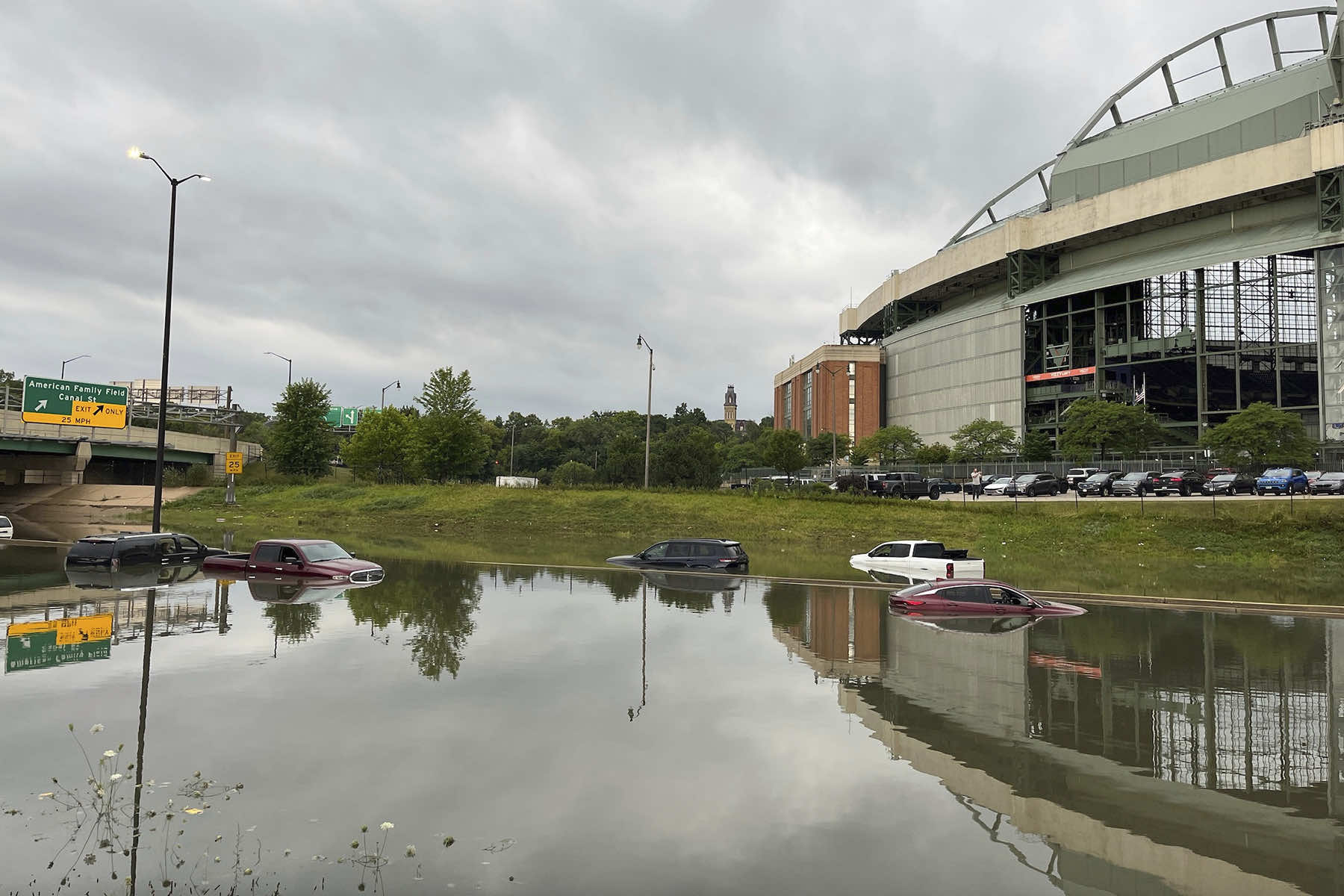
The Translation: Breaking Down the High Alert
In technical terms, a “high alert” within the railway system indicates a shift from routine operations to a crisis-management baseline. By suspending holidays, the ministry ensures that technical expertise is available at every vulnerable node of the network. The directive for “surprise inspections” serves as a catalyst for accountability, ensuring that the hierarchy maintains peak efficiency during the railway emergency declaration period.
Socio-Economic Impact: Precision in Public Service
For the average Pakistani citizen, this development directly impacts mobility and the supply chain. Flooded tracks often lead to the suspension of cargo and passenger trains, which can spike the cost of essential goods. By prioritizing the “early restoration of train services,” the Ministry is attempting to shield the economy from a logistics bottleneck. For students and professionals, this means a more predictable, albeit cautious, travel schedule during the monsoon season.

The Forward Path: A Stabilization Move
From a strategic standpoint, this emergency declaration represents a Stabilization Move. While it does not introduce new infrastructure, it reinforces the existing system against environmental volatility. The government’s focus on strict disciplinary action against negligence suggests a shift toward a more disciplined operational culture. Ultimately, the success of this maneuver depends on the speed of infrastructure repair and the precision of the field teams in mitigating flood damage.








