Global energy security depends on the structural integrity of maritime corridors, yet the Strait of Hormuz remains a volatile geopolitical bottleneck. Iran recently refuted claims by US President Donald Trump regarding a preliminary agreement to reopen this critical waterway. Consequently, the Islamic Revolutionary Guard Corps (IRGC) maintains strict oversight, requiring all vessels to coordinate directly with their naval units before transit.
Calibrating the Reality of the Strait of Hormuz
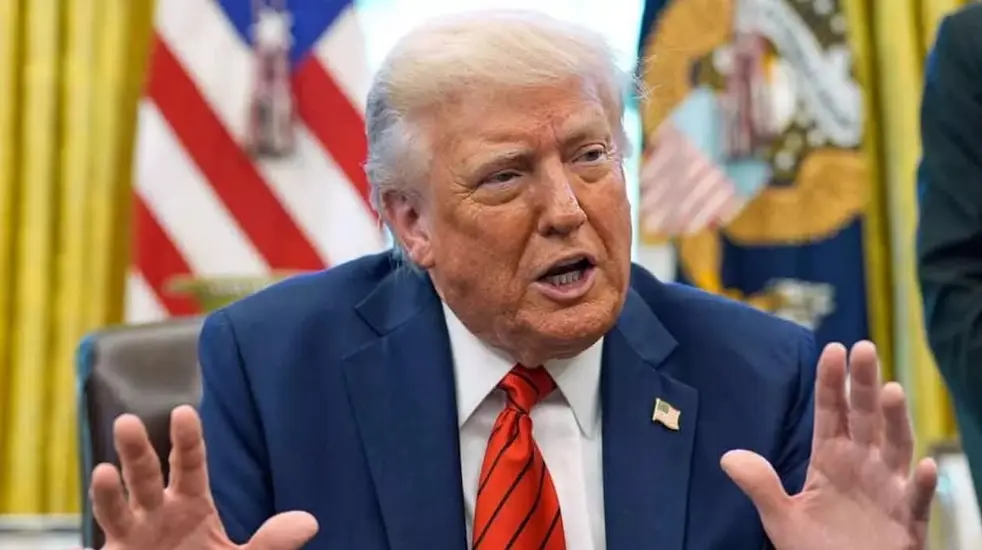
Iran’s Fars News Agency clarified that the reported diplomatic breakthrough lacks a factual baseline. While President Trump suggested that the “perimeters of a deal” were established, Tehran maintains that the route remains restricted. This discrepancy highlights a significant gap between Western diplomatic optimism and the tactical reality on the ground. Therefore, the Strait of Hormuz continues to operate under high-alert protocols.

Global Market Sensitivity and Energy Logistics
The Strait of Hormuz serves as the primary artery for global energy, carrying a massive percentage of the world’s oil and LNG shipments. Any perceived instability in this region acts as a catalyst for price fluctuations in global fuel markets. Investors are currently monitoring US stock futures to determine how these conflicting reports will influence the precision of energy valuations. The following factors contribute to the ongoing tension:
- Maritime Authority: IRGC maintains operational control over all vessel movements.
- Energy Scarcity: Prolonged disruptions increase the baseline cost for international shipping.
- Diplomatic Friction: Divergent narratives between Washington and Tehran complicate long-term stability.
The Situation Room Analysis
The Translation (Clear Context)
The conflict between US and Iranian statements represents a strategic communication gap. While the US administration signaled progress to stabilize markets, Tehran utilized its state media to reinforce its sovereign control over the Strait of Hormuz. Essentially, “coordination with the IRGC” is a non-negotiable prerequisite that Iran refuses to trade for diplomatic concessions at this stage.
The Socio-Economic Impact
This development directly influences the daily lives of Pakistani citizens through the energy supply chain. Since Pakistan relies heavily on imported fuel, any restriction in the Strait of Hormuz increases the landing cost of petroleum products. Consequently, households may face higher electricity bills and transport fares, while professionals in the logistics sector must recalibrate their operational budgets to account for rising fuel premiums.
The “Forward Path” (Opinion)
We classify this development as a Stabilization Move by Iran. By denying the deal, Tehran is maintaining its tactical leverage in the region rather than seeking immediate momentum toward a resolution. This precision-focused stance ensures they remain the primary gatekeepers of the world’s most vital energy corridor, forcing the international community to negotiate on their specific terms.