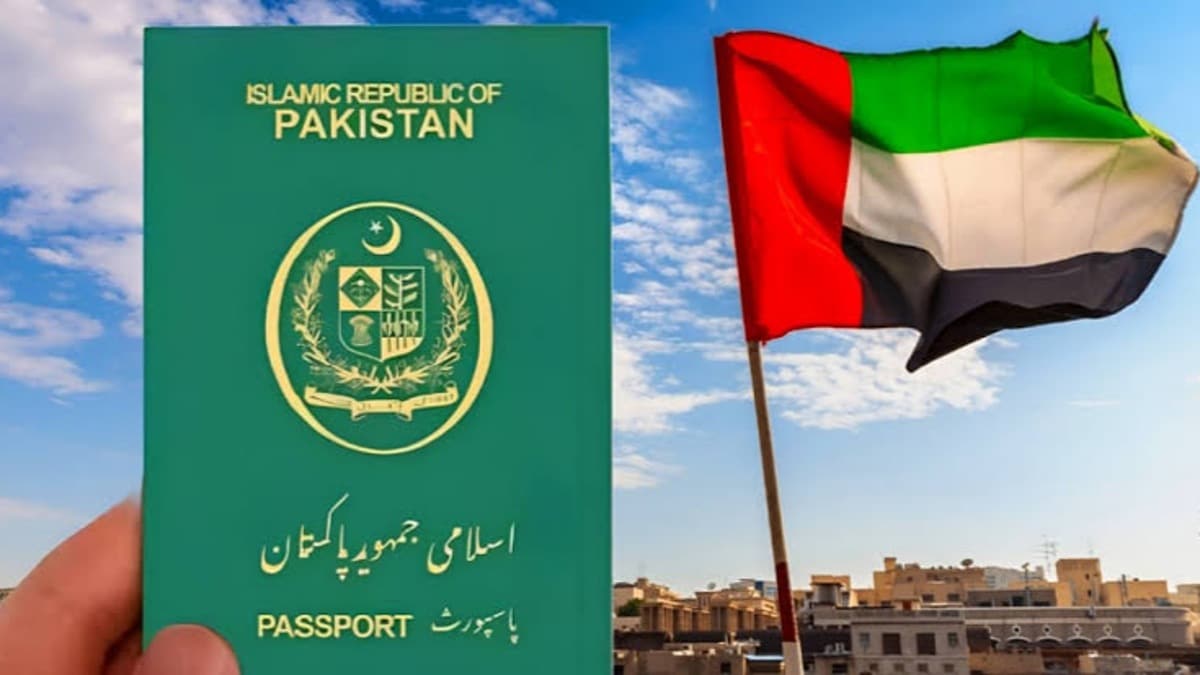
The restoration of travel mobility between Pakistan and the UAE marks a calibrated return to systemic stability in one of the region\’s most vital economic corridors. The United Arab Emirates has officially resumed issuing UAE visit visas to Pakistani citizens who apply through registered travel agencies. Consequently, this development mitigates months of diplomatic uncertainty that previously constrained the flow of human capital between these two nations.
Currently, approximately 1.8 million Pakistanis reside within the UAE, serving as a primary engine for national remittances. For several months, applicants navigated a landscape of processing delays and rigorous verification protocols. Although official channels in Islamabad and Abu Dhabi denied a formal ban, the operational slowdown created a significant baseline friction for travelers. Now, however, travel industry representatives confirm that the issuance mechanism has regained its operational momentum.
Optimizing the Architecture of Family Travel
The most significant precision adjustment in the visa system targets family units. Travel industry officials report that family-based applications, which previously encountered structural bottlenecks, are now moving through the pipeline with increased velocity. Specifically, Muhammad Nadeem Sharif of Aroma Travels noted that the UAE embassy has prioritized tourists traveling with family members. This strategic focus ensures that the social fabric of the Pakistani diaspora remains intact while maintaining security integrity.
Furthermore, tourism promotion campaigns have restarted to catalyze passenger traffic. Data indicates a gradual recovery in travel volume, following a period of depressed activity linked to regional tensions. While individual applicants previously faced high rejection rates, the current system favors documented family groups, who now represent roughly 10 percent of the total visitor volume.
Statistical Analysis of Passenger Throughput
Immigration metrics provide a clear baseline for this recovery. By the final week of July, daily passenger traffic to Dubai reached approximately 400 individuals. In contrast, the daily average stood at a mere 170 passengers during the early summer months. Consequently, we are seeing a 135% increase in throughput within a single quarter.
However, an analytical view shows that we have not yet reached peak efficiency. Two years ago, the daily volume stabilized at nearly 1,000 passengers. The current trajectory suggests a steady climb, provided that documentation standards remain consistent. UAE embassy officials have reiterated that ordinary passport holders can successfully secure UAE visit visas if they utilize authorized agents and provide verified credentials.
The Translation: Deconstructing Security Protocols
To understand the logic behind the previous delays, one must examine the documentation audit conducted by the UAE. The “security concerns” cited by officials were largely driven by systemic failures in applicant verification. Specifically, the Pakistani foreign ministry identified instances of forged academic degrees, diplomas, and employment contracts. Furthermore, unauthorized political activity and the misuse of social media by some nationals triggered stricter background checks. In short, the “ban” was actually a transition to a high-precision vetting system designed to filter out fraudulent data.
The Socio-Economic Impact
This policy shift directly influences the financial health of Pakistani households. For urban professionals and rural families alike, the UAE is a primary catalyst for economic mobility. The resumption of UAE visit visas facilitates the “visit-to-work” pipeline that many Pakistanis use to secure legitimate employment. On a macro level, increased travel volume restores the revenue streams of domestic travel agencies and airlines, while ensuring the continued flow of remittances which are vital for Pakistan\’s foreign exchange reserves.
The Forward Path: A Stabilization Move
In our expert assessment, this development represents a Stabilization Move. While it reopens the gates, the introduction of stricter background checks suggests that the UAE is no longer accepting high-volume, low-quality documentation. For Pakistan, this is a signal to modernize its own credential verification systems. To maintain this momentum, travelers must prioritize documentation integrity. The system is functional again, but it demands precision and transparency from every applicant to prevent future bottlenecks.