

The global aviation industry is undergoing a structural recalibration as carriers integrate high-frequency AI airline pricing algorithms to manage inventory. Consequently, the era of the “unusually cheap seat” is rapidly closing. These sophisticated systems allow airlines to move beyond static, analyst-driven rules toward a calibrated, real-time demand model that maximizes revenue per flight.
The Precision of AI Airline Pricing
Traditional airline pricing models relied on fixed thresholds and human intervention. Specifically, analysts would raise fares only after a flight reached a certain booking percentage. In contrast, new AI systems from firms like Fetcherr analyze hundreds of data variables simultaneously. This transition enables carriers like Delta Air Lines and Virgin Atlantic to adjust prices continuously as demand fluctuates.
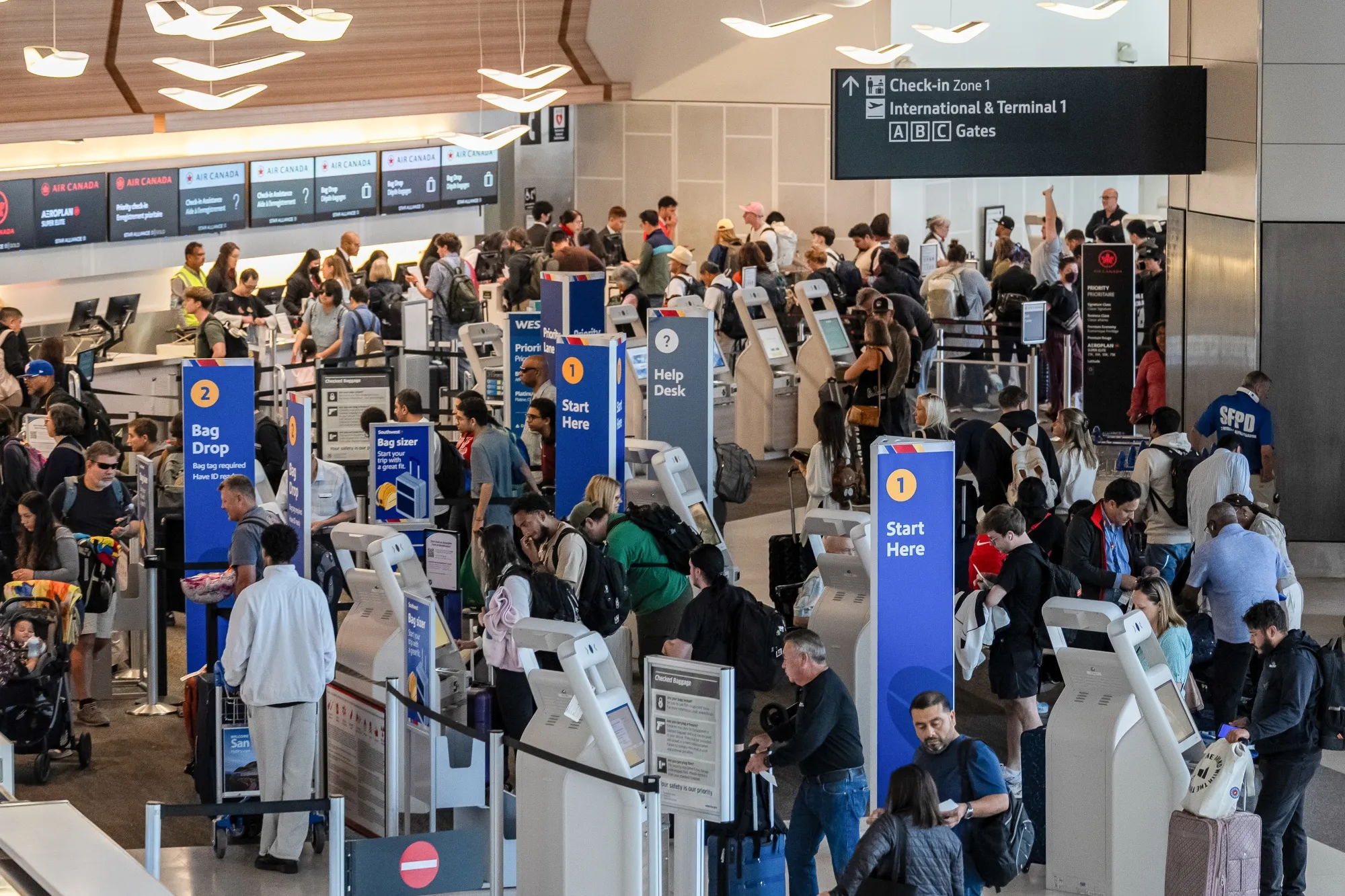
Furthermore, these models serve as a catalyst for efficiency by filling seats that might otherwise remain empty. While AI airline pricing often raises costs on busy routes, it can also reduce fares for off-peak departures to stimulate bookings. Aviation consultant Bryan Terry notes that the technology provides the precision needed to raise prices where demand is resilient while discounting where seats require a volume boost.
Managing Revenue and Personal “Pain Points”
The innovation extends beyond the initial booking. For example, Volantio utilizes AI to identify flexible passengers willing to move from overbooked flights in exchange for compensation. This maneuver allows the airline to resell the released seat to high-value, last-minute travelers. Major carriers, including Air Canada and Southwest, utilize this technology to optimize their structural seat load.

However, the rise of “surveillance pricing” has sparked significant regulatory scrutiny. This practice involves using behavioral data—such as browsing history and shopping habits—to determine an individual’s maximum “pain point.” While Delta denies using personal data for individual pricing, the US Federal Trade Commission continues to investigate how these intermediaries influence the costs shown to different consumers.

Global Regulation and the Surveillance Threat
Governments are beginning to react to these algorithmic shifts. Maryland recently passed the Protection from Predatory Pricing Act, and China has penalized major travel platforms for monopolistic conduct. Although current AI airline pricing remains focused on route-level optimization, the potential for hyper-individualized pricing remains a concern for travelers globally.

The Situation Room
The Translation
Dynamic pricing is not simply “making things expensive.” It is a move from “Batch Processing” to “Real-Time Calibration.” Previously, airlines guessed demand in chunks; now, they calculate it in milliseconds. This eliminates “inefficiencies” like the accidental $200 ticket on a popular holiday route, ensuring every seat matches the market’s current pulse.
The Socio-Economic Impact
For the average Pakistani professional or student, this means “hacking the system” is becoming impossible. Budget travel now requires extreme flexibility. Consequently, the cost of unplanned family emergencies or last-minute business travel will rise significantly, while those who can travel at 3:00 AM on a Tuesday may see marginal savings. It effectively creates a wider gap between flexible and non-flexible travelers.
The Forward Path
This development represents a Stabilization Move for airline profitability but a regression for consumer transparency. While the systems increase system efficiency, the lack of transparency regarding “surveillance pricing” is a red flag. We expect a momentum shift toward stricter digital consumer protection laws as these algorithms move from route-based logic to individual-based targeting.








