
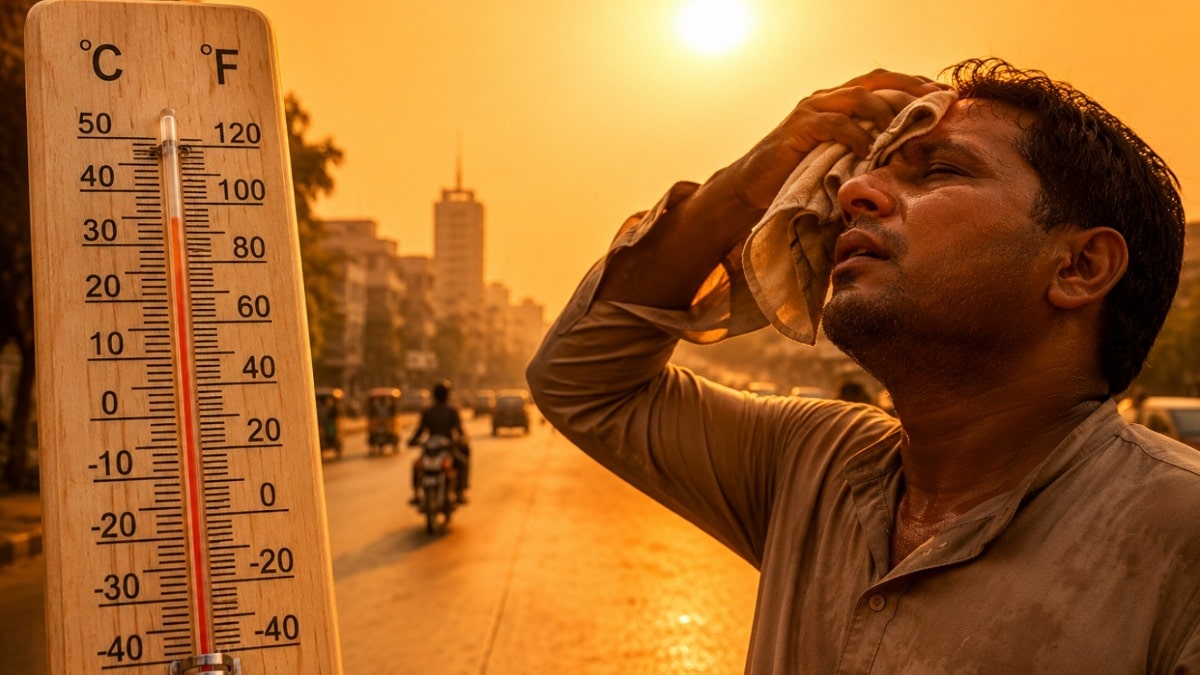
The Pakistan Meteorological Department (PMD) recently calibrated its seasonal outlook, predicting below-normal rainfall across most regions this August. This structural shift in precipitation patterns suggests that reduced moisture and above-normal temperatures will intensify pressure on national water reserves. Consequently, stakeholders must prepare for a significant catalyst in agricultural demand as heat stress levels rise across the plains of Punjab, Sindh, and Balochistan.
Climate Precision: Analyzing the August Rainfall Deficit
Meteorological data indicates that the rainfall deficit will primarily affect the southern and central corridors of the country. Specifically, large swaths of Punjab, Sindh, and Balochistan are expected to receive less precipitation than historical averages. Furthermore, while Gilgit-Baltistan may see near-normal patterns, northeastern Punjab and Kashmir may remain uncharacteristically dry. This precision mapping allows for targeted resource management in vulnerable provinces.
Temperature Extremes and Systemic Risks
In addition to the below-normal rainfall, the PMD warns that temperatures will likely exceed standard baselines nationwide. This dual threat of dryness and heat increases the probability of sudden flash floods in hilly terrains despite the overall lack of rain. Consequently, urban centers must remain vigilant against sudden intense rain spells that could trigger localized flooding and disrupt logistics.
The Translation: Decoding the Meteorological Shift
When the PMD forecasts “below-normal” conditions, it implies a disruption in the expected monsoon recharge cycle. In Next-Gen terms, this is a “system efficiency” warning. The lack of atmospheric cooling from rain, combined with higher solar radiation, creates a feedback loop of heat. This means the environment requires more energy and water to maintain the same level of productivity we saw in previous years.
The Socio-Economic Impact: Agriculture and Public Health
For the average Pakistani citizen, this forecast translates to higher cooling costs and increased food security risks. Farmers managing Kharif crops in Punjab and Sindh must now secure additional irrigation to compensate for the rainfall deficit. In urban areas, the combination of standing water from erratic spells and high heat sustains the dengue virus lifecycle. Therefore, households should prioritize water storage hygiene and heatstroke prevention strategies during peak daylight hours.
The Forward Path: A Strategic Stabilization Move
This development represents a Stabilization Move rather than a total momentum shift. While the forecast is concerning, it provides the lead time necessary for precision interventions. Our national strategy must pivot toward aggressive water conservation and the deployment of heat-resilient agricultural techniques. By treating this climate data as a baseline for resource calibration, Pakistan can mitigate the impact of an increasingly volatile seasonal cycle.








