
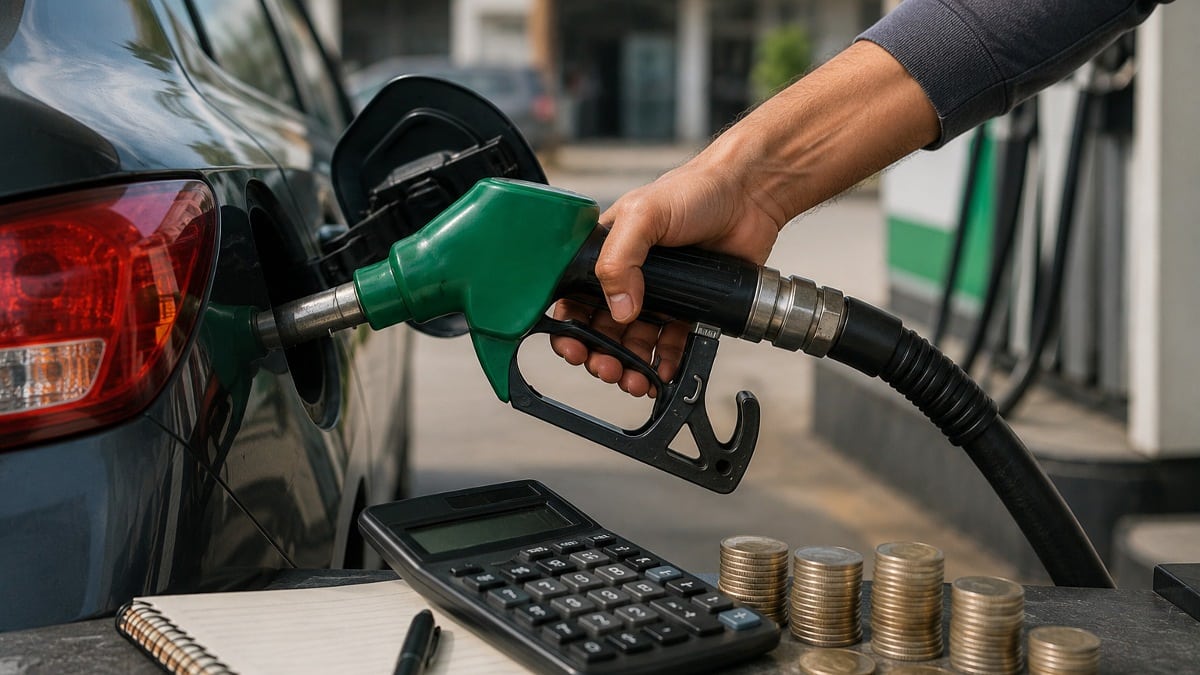
Prime Minister Shehbaz Sharif recently mandated the development of a nationwide fuel tracking system to eliminate hoarding and ensure supply chain integrity. This directive follows the successful digital monitoring models used by the Federal Board of Revenue (FBR). By digitizing the petroleum lifecycle from ports to petrol pumps, the government aims to stabilize the energy sector through architectural precision and technological oversight. This strategic calibration is designed to protect consumers from artificial shortages.
Architectural Reforms for a Digital Fuel Tracking System
The Prime Minister’s strategy involves a comprehensive restructuring of the Oil and Gas Regulatory Authority (Ogra). Specifically, officials must deploy advanced monitoring technology to track every liter of fuel as it moves through the national grid. Furthermore, the administration will recruit private-sector experts through merit-based processes to enhance regulatory capacity. This structural calibration ensures that the petroleum sector operates with maximum transparency and efficiency.
In addition to monitoring, the government is accelerating the refinery upgradation policy. Consequently, regulatory bodies must establish stronger coordination with their respective ministries to prevent bureaucratic delays. These measures represent a precision-based approach to energy security and market stability.
Data-Driven Enforcement and Institutional Progress
Ogra has already launched several digital initiatives, such as the National Monitoring Dashboard and the Tanker Track and Trace System. These tools provide a baseline for the new fuel tracking system. In July 2026, data-driven enforcement already identified several cases of artificial shortages and hoarding. Consequently, legal proceedings against violators have commenced, signaling a zero-tolerance policy for supply disruptions.
The current reform program includes the creation of a dedicated compliance wing and a modernized licensing framework. By integrating the Rahguzar Mobile App and Digital Sales Entry System, the regulator can now identify anomalies in real-time. This digital surveillance protects the national economy from the volatility of unregulated fuel movements.
The Translation: Clear Context
By implementing an “FBR-style tracking mechanism,” the government is essentially installing a digital nervous system across the petroleum industry. This means using GPS, IoT sensors, and real-time data entry to replace manual, paper-based reporting. The logic is simple: you cannot manipulate what you can measure in real-time. This system removes the “blind spots” where hoarders previously exploited supply gaps.
The Socio-Economic Impact
How does this change the daily life of a Pakistani citizen? For students, professionals, and households, this system translates to price stability and consistent availability at the pump. Digital monitoring prevents artificial inflation caused by middleman hoarding. As a result, transport costs remain predictable, directly protecting the monthly budgets of families in both urban and rural Pakistan.
The Forward Path: Strategic Opinion
This development represents a significant Momentum Shift. Moving from manual oversight to an automated fuel tracking system is a critical catalyst for national economic stability. While institutional resistance may occur, the shift toward a STEM-driven regulatory framework is the only way to modernize Pakistan’s energy infrastructure. It signals a transition from reactive governance to proactive, data-led precision.








