

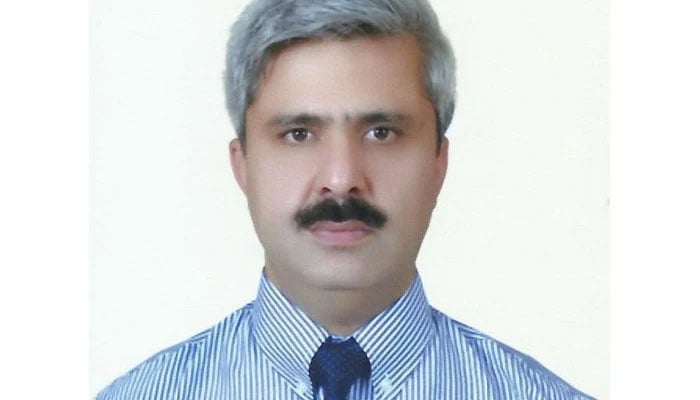
Pakistan’s administrative framework underwent a calibrated transformation today as the federal government appointed Ahmed Raza Sarwar as the new Interior Secretary. This strategic decision replaces Captain (Retd.) Muhammad Khurram Agha, signaling a structural realignment within the nation’s primary security apparatus. Consequently, Ahmed Raza Sarwar, a seasoned Grade-22 officer of the Pakistan Administrative Service (PAS), transitions from his high-level duties in the Punjab government to oversee critical federal domains.
Optimizing National Security: Why the New Interior Secretary Appointment Matters
The Establishment Division issued a formal notification on Wednesday, confirming the immediate transfer of leadership. Specifically, the government directed the outgoing secretary, Captain (Retd.) Muhammad Khurram Agha, to report back to the Establishment Division. Meanwhile, Ahmed Raza Sarwar takes command of a ministry that serves as the catalyst for internal security, immigration, and law and order matters across the country. Furthermore, his appointment highlights a preference for civil service expertise in managing complex administrative challenges.
The Situation Room: Analysis of the Transition
The Translation (Clear Context)
In the hierarchy of the Pakistan Administrative Service, a Grade-22 officer represents the pinnacle of professional civil service. By appointing Ahmed Raza Sarwar as the new Interior Secretary, the government is leveraging his extensive experience in Punjab’s provincial governance. The Ministry of Interior is the baseline for national stability. Therefore, moving a high-ranking PAS officer into this role suggests a desire for precision-driven management of federal civil administration and border control policies.
The Socio-Economic Impact
How does this administrative reshuffle change the daily life of a Pakistani citizen? The Ministry of Interior directly governs essential public services, including:
- Passport and Immigration: Streamlining the issuance of travel documents and digital identification.
- Internal Security: Maintaining the stable environment necessary for urban trade and rural development.
- Law Enforcement Coordination: Enhancing the synergy between federal and provincial police forces.
A more efficient ministry ensures that professionals and students experience fewer bureaucratic delays, fostering a more productive economic climate.
The Forward Path (Opinion)
This development represents a Momentum Shift for Pakistan’s federal structure. While personnel changes are common, the elevation of a Grade-22 officer from a provincial powerhouse like Punjab to the federal Interior Ministry indicates a strategic move toward technocratic precision. If Sarwar successfully applies his provincial operational insights to the national stage, we may see a more calibrated approach to internal stability. This transition is not merely a change in personnel; it is a structural reinforcement of our administrative frontier.








