
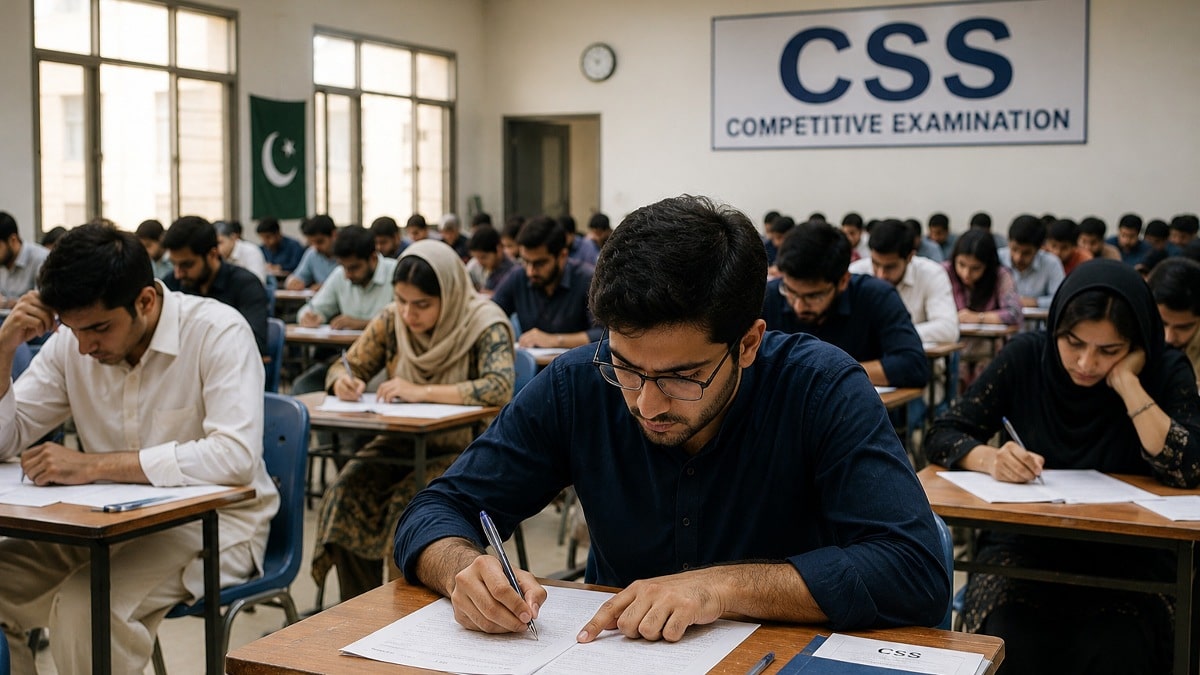
The Senate Standing Committee recently convened to calibrate the future of Pakistan’s bureaucracy, specifically debating the proposed CSS age limit increase. This strategic deliberation addresses the structural efficacy of the Federal Public Service Commission (FPSC) and the broader civil service recruitment framework. Consequently, the committee aims to align national recruitment with modern global standards while maintaining administrative precision.
Analyzing the Proposal for a CSS Age Limit Increase
During the session, members floated several proposals designed to catalyze improvements within the bureaucracy. However, the CSS age limit increase sparked significant disagreement among the participants. Officials briefing the committee opposed the adjustment, arguing that a higher age threshold could reduce the total productive years a civil servant contributes to the state. Furthermore, they suggested that such a shift might negatively impact long-term administrative efficiency and the baseline of service delivery.
The committee chair emphasized that modern international trends are moving away from traditional, rigid recruitment models. Instead, many developed nations have adopted dynamic systems that prioritize specialized skill sets over age-based criteria. Despite these insights, the committee concluded the session without reaching a definitive decision on the recruitment procedures or the age limit adjustment.
FPSC Recruitment Data and System Precision
The FPSC also addressed recent claims regarding a decline in applicant interest. Data clarifies the current recruitment baseline: for the 2025 MPT, 64,081 candidates registered. Out of these, 18,139 applied for the written exam, and 12,792 actually appeared for the assessment. The rigorous filtering process resulted in 354 qualifying candidates, with 170 individuals finally allocated to various civil service groups.

The Translation: Contextualizing the Debate
This debate represents a tension between “longevity” and “inclusivity.” The technical resistance from officials stems from a desire to maximize the return on investment for training civil servants. By recruiting younger individuals, the state secures decades of service. Conversely, the push for an age limit increase recognizes that many talented Pakistanis, particularly those from marginalized backgrounds, may require more time to complete their education and prepare for such high-stakes examinations.
The Socio-Economic Impact
- For Students: A decision on the age limit directly dictates the window of opportunity for career planning.
- For Households: Civil service remains a primary path for social mobility in Pakistan; widening the age bracket could empower older professionals to pivot into public service.
- Urban vs. Rural: Rural candidates, who often face educational delays, stand to benefit most from an expanded eligibility window, potentially leading to a more diverse bureaucratic pool.
The Forward Path: Strategic Opinion
This development currently represents a Stabilization Move. While the discourse surrounding “modern systems” is promising, the hesitation to finalize the age limit increase suggests a preference for maintaining the existing structural baseline. To achieve a true momentum shift, Pakistan must look beyond age limits and focus on the precision of the recruitment curriculum and the technological integration of the FPSC’s testing mechanisms.








