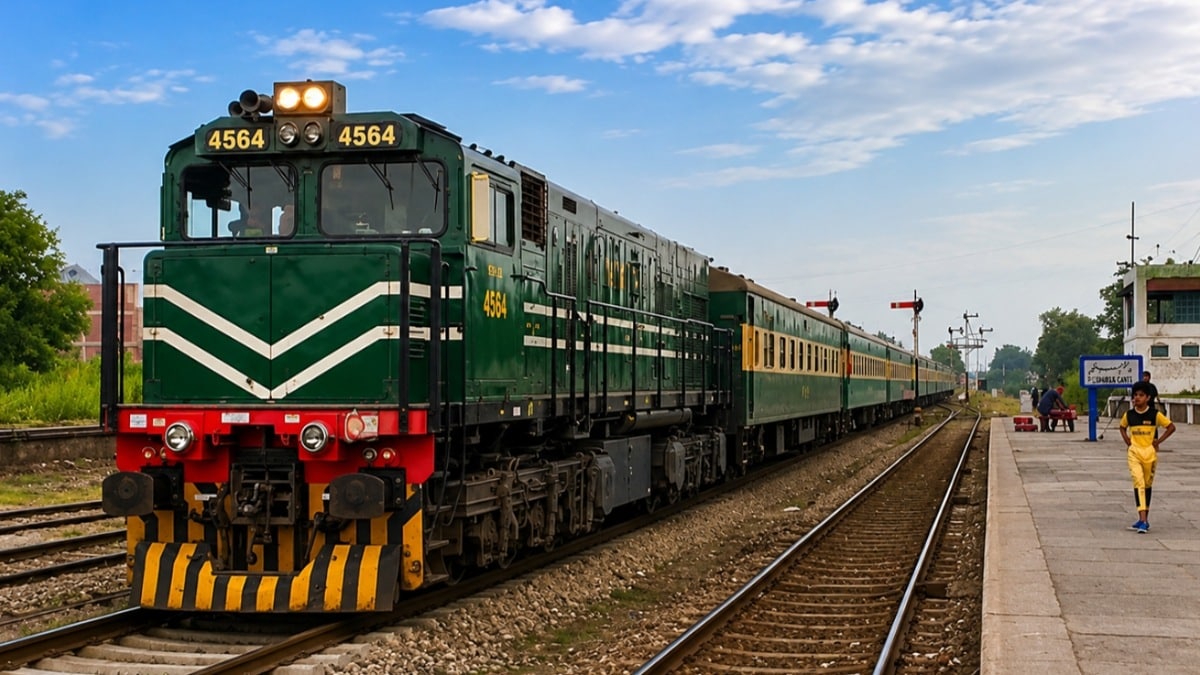
Infrastructure resilience serves as the primary baseline for a nation’s logistical efficiency. Recently, Pakistan Railways officially announced that the Shalimar Express suspended its operations for a mandatory 30-day window. This decision follows significant floodwater damage to the railway bridge located at Qila Sattar Shah Musan Kallar, which is a critical node in our northern rail network. Consequently, the suspension ensures that passenger safety is not compromised while technical teams evaluate the structural integrity of the span.
Analyzing Why the Shalimar Express Suspended Service
The suspension specifically affects the premium service connecting Lahore and Karachi via Faisalabad. Because railway operations between Lahore and Faisalabad have reached a strategic halt, the entire corridor is facing temporary downtime. Precision in safety protocols remains the catalyst for this decision. Furthermore, authorities emphasized that restoring the bridge is the only path to ensuring long-term operational stability. In contrast to smaller disruptions, this 30-day baseline is necessary for comprehensive engineering repairs.
The Translation: Infrastructure Realities
In “Next Gen” terms, this is a cascaded system failure. Since the Faisalabad loop is a primary artery for the Shalimar route, damage to a single bridge at Qila Sattar Shah creates a massive structural bottleneck. Engineering teams must now perform calibrated repairs to the bridge’s foundation, which was undermined by recent flood levels. Without these precision interventions, the heavy locomotives required for premium service cannot safely traverse the affected span.
The Socio-Economic Impact
This disruption significantly impacts three key demographics across the urban and rural landscapes of Pakistan:
- Industrial Professionals: The Faisalabad-Karachi corridor is a vital link for textile exporters and commodity traders who rely on consistent rail timing.
- Daily Commuters: Thousands of passengers now face calibrated delays and must pivot to more expensive, less efficient road transport options.
- National Logistics: A 30-day halt suggests a temporary dip in the efficiency of the national rail system, potentially increasing the cost of goods moved via this route.
Ultimately, the daily life of the average Pakistani citizen in these urban hubs is disrupted by increased travel times and higher transit costs. This highlights the urgent need for climate-resilient infrastructure.
The Forward Path: A Stabilization Move
From a STEM-driven perspective, this development represents a Stabilization Move. While a month-long suspension is a setback for logistical momentum, prioritizing structural integrity over operational speed is a disciplined choice. To prevent future systemic failures, Pakistan must transition from reactive bridge repairs to a proactive, technology-driven infrastructure monitoring framework. This move protects our current assets while we wait for a broader modernization of the rail network.