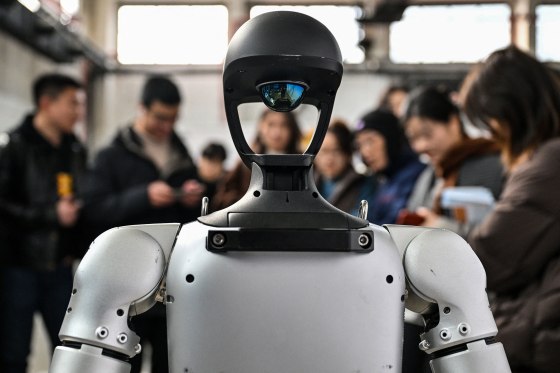
The United States administration has officially enforced a humanoid robot ban targeting new Chinese-manufactured autonomous systems to mitigate perceived national security risks. This calibrated restriction, executed by the Federal Communications Commission (FCC), blocks entry for advanced bipedal and quadrapedal machines. Consequently, the measure also extends to connected power inverters essential for data centers and solar infrastructure, effectively shielding critical US systems from potential foreign interference. These protocols represent a structural realignment of the global technology supply chain.
Analyzing the Humanoid Robot Ban Infrastructure
The FCC integrated these robotic devices into its “Covered List,” identifying them as high-level risks to public safety. Officials argue that these machines function as mobile surveillance nodes capable of harvesting sensitive data. Furthermore, the agency warns that remote actors could potentially seize control of these robots to disrupt civilian life or facilitate espionage. This move aims to calibrate the baseline of American digital defense against sophisticated hardware-level vulnerabilities.
The Translation: Precision Security in the AI Era
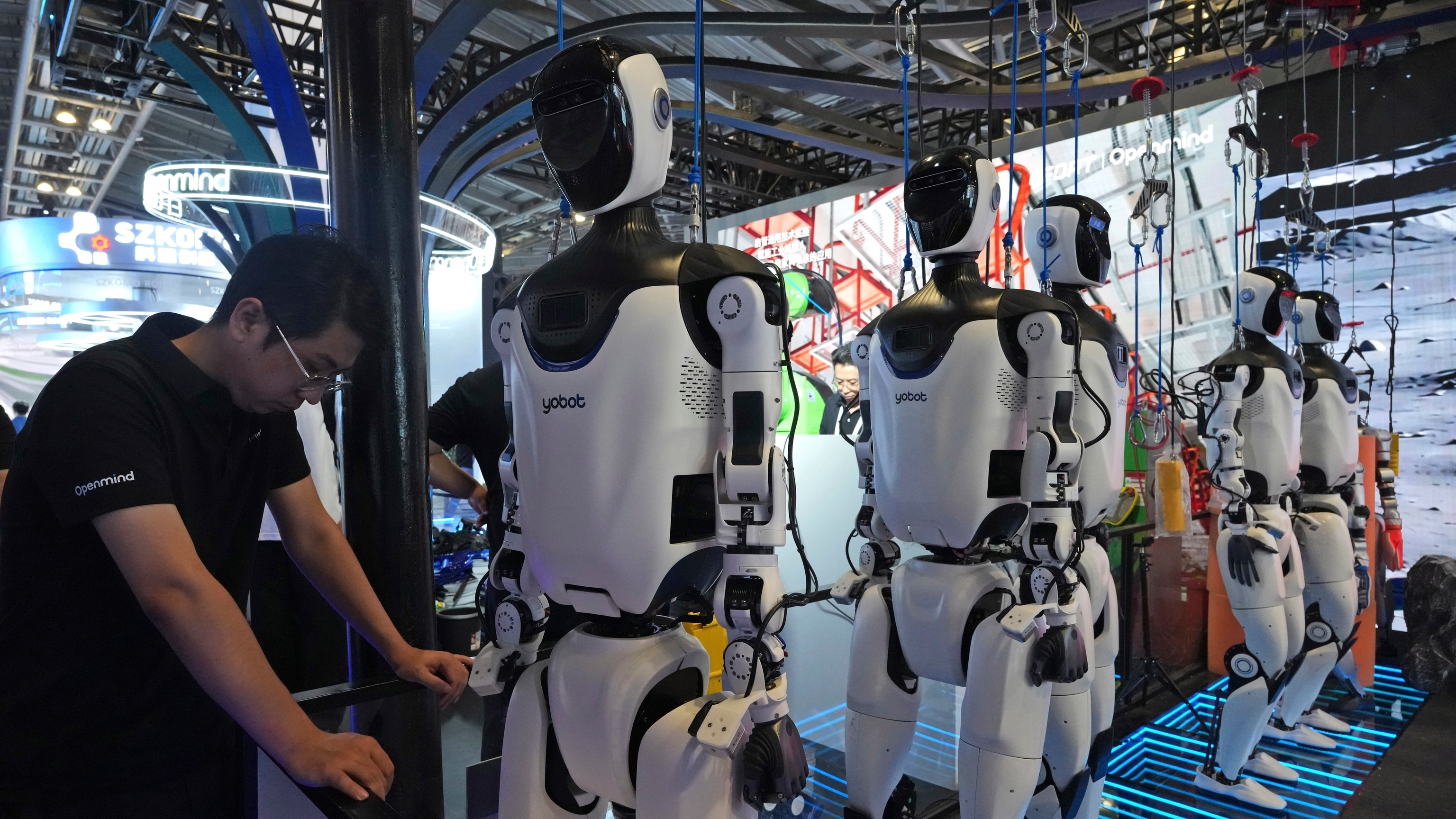
In technical terms, a humanoid robot is not merely a machine but a high-bandwidth data collector. When these devices operate on local networks, they possess the architectural capacity to map indoor environments and record audio-visual data. The US government views these capabilities as “backdoor” risks. By banning new models, the FCC is preventing the deployment of potentially compromised hardware before it becomes embedded in the domestic ecosystem.
The Socio-Economic Impact: What This Means for Citizens
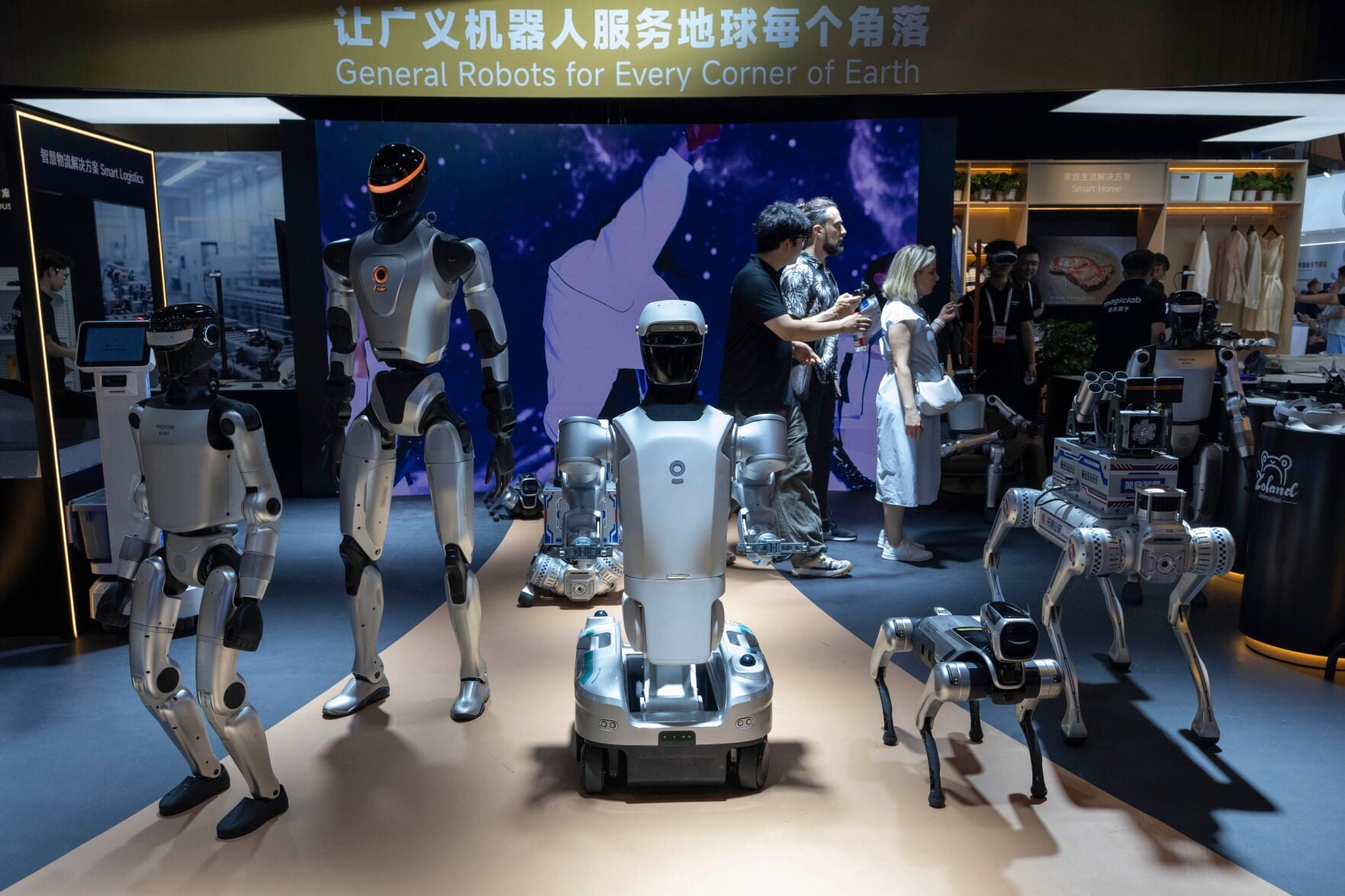
For the average citizen, this policy signals a shift in how we perceive household and industrial automation. While US-based firms like Tesla and Boston Dynamics may see a competitive catalyst, the immediate impact for Pakistani professionals and global consumers is a potential increase in the cost of advanced robotics. As the market bifurcates, households may face limited choices for smart home integration. However, this move prioritizes long-term data sovereignty over short-term consumer convenience, ensuring that personal environments remain secure from external digital exploitation.
The Forward Path: A Momentum Shift in Tech Sovereignty
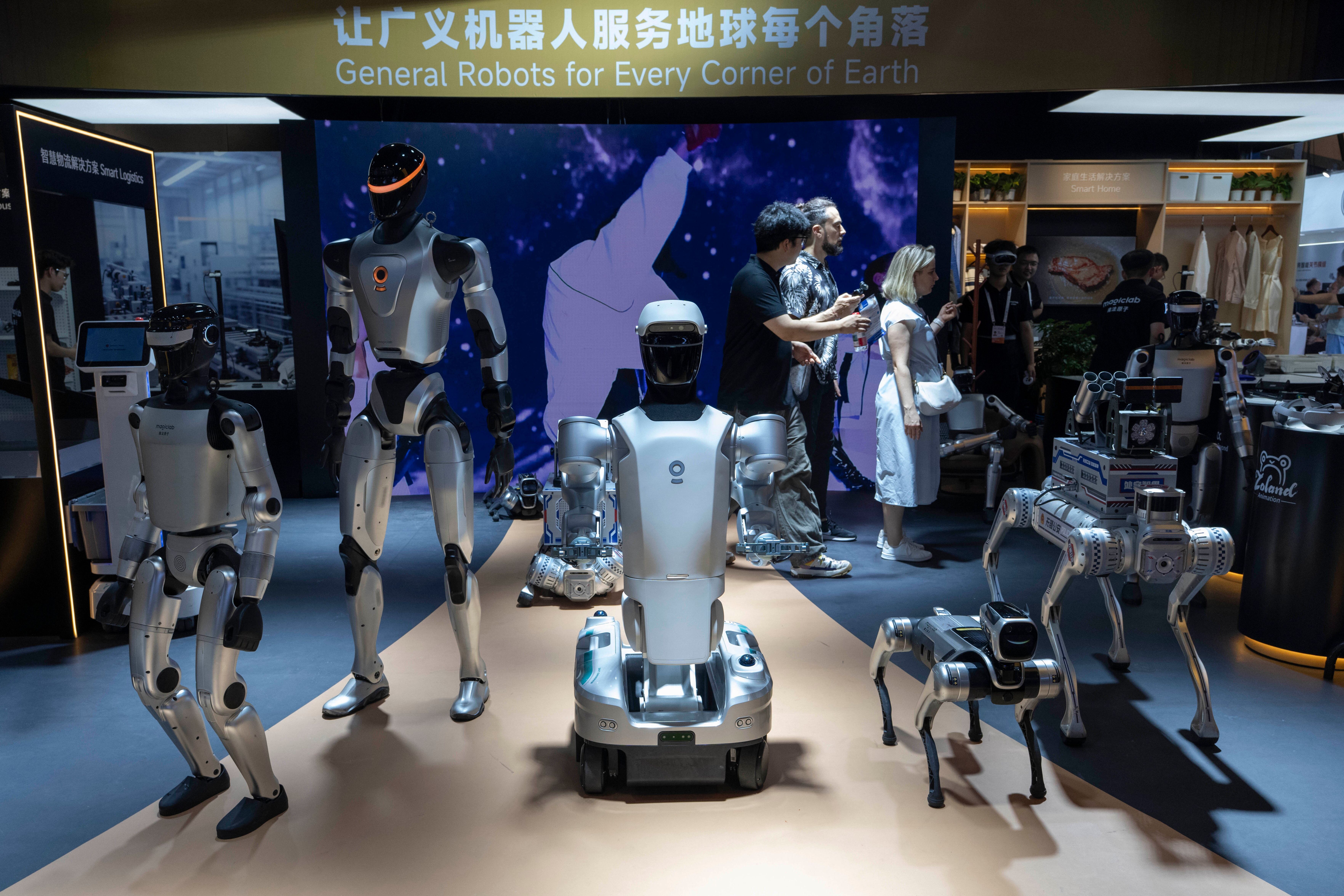
This development represents a definitive Momentum Shift in the global AI race. It marks the transition from open trade to “Secured Trade,” where national security is the primary metric for market entry. While Beijing criticizes the move as political, the structural reality is that technology and geopolitics are now inseparable. For Pakistan, this serves as a baseline reminder that building domestic capacity in AI and hardware is the only way to ensure future technological independence and systemic efficiency.