

Technological convergence represents a critical catalyst for national productivity. Meta has finally integrated WhatsApp Web calling directly into browser environments, eliminating the baseline requirement for standalone desktop applications. Consequently, users can now execute encrypted voice and video calls with structural ease, ensuring that communication remains both secure and highly efficient.
Calibrating the Digital Workspace: WhatsApp Web Calling
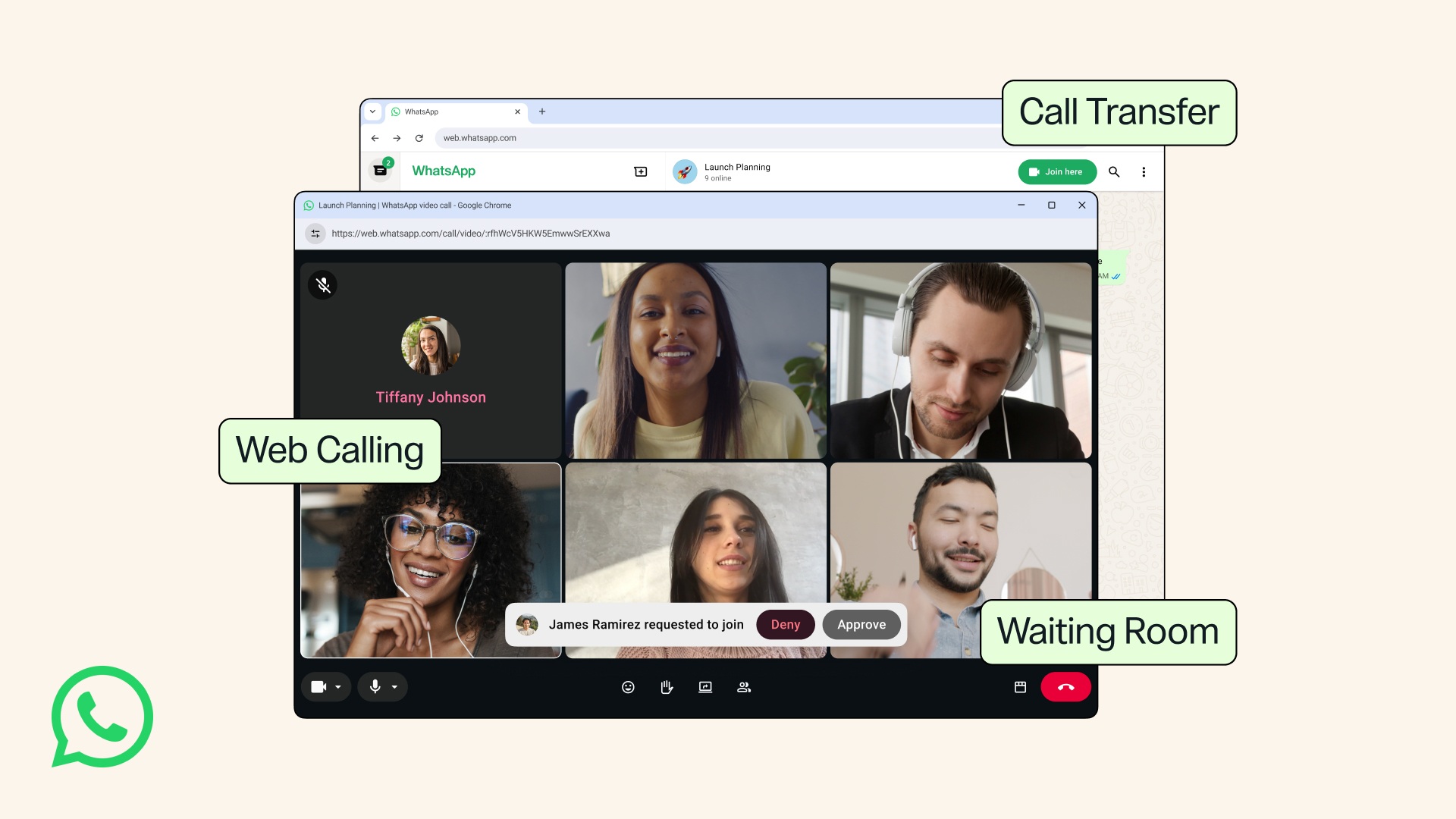
The new browser-based architecture supports both individual and group interactions without time constraints. Specifically, the interface now includes screen sharing, real-time reactions, and a dedicated calls tab for managing history. Furthermore, these features maintain end-to-end encryption, ensuring that the privacy baseline remains intact even on shared or public hardware.

Structural Efficiency: The Call Transfer Protocol
Strategic flexibility is essential in a multi-device world. To address this, WhatsApp introduced a Call Transfer feature that allows users to migrate active group calls between devices seamlessly. For instance, a professional can initiate a call on a mobile device and transition to a browser interface without interrupting the data stream. Additionally, the platform integrated noise suppression and “QuickHD” technology to calibrate audio-visual quality within the first few seconds of a session.
The Situation Room Analysis
The Translation
Meta is effectively transforming the browser from a simple message relay into a fully calibrated communication hub. By removing the friction of software installation, they have optimized the workflow for users on restricted work laptops. This shift implies a move toward a “platform-agnostic” model where the device matters less than the account-driven ecosystem. WhatsApp Web calling is no longer a secondary tool; it is now a primary interface.
The Socio-Economic Impact
For the Pakistani workforce, particularly the burgeoning freelance sector, this update reduces the hardware overhead required for professional engagement. Consequently, a shared computer in an urban or rural hub can now facilitate high-stakes international video conferences. This democratic access to professional-grade communication tools strengthens the national digital infrastructure and increases baseline productivity for households managing remote work.
The Forward Path
This development represents a Momentum Shift. By decentralizing the calling architecture, WhatsApp is positioning itself as a legitimate competitor to enterprise meeting software. This precision-focused update is a catalyst for system efficiency, ensuring that Pakistan’s digital professionals remain synchronized with global standards of communication.








