
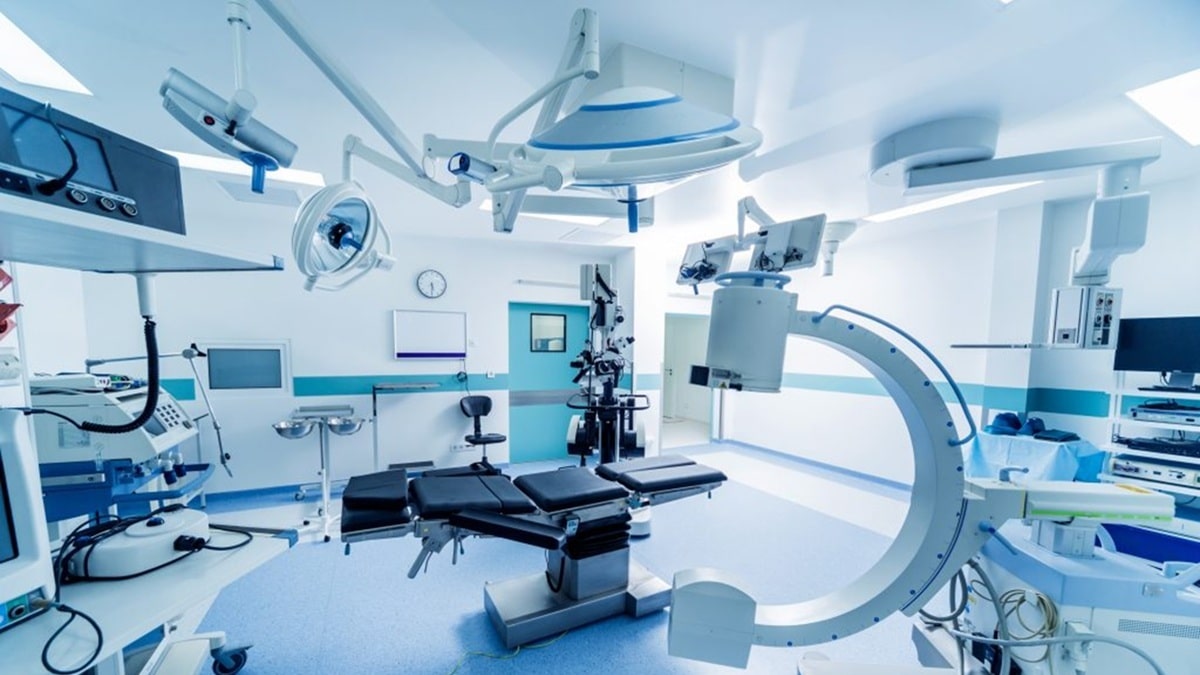
The precision of Pakistan’s decentralized healthcare infrastructure reached a new baseline this week. Swat officially became the second district in Khyber Pakhtunkhwa to execute a kidney transplant in Swat, signaling a calibrated shift toward regional medical self-sufficiency. Surgeons at Luqman International Hospital in Saidu Sharif performed the landmark renal procedure following a rigorous certification process by the Khyber Medical Transplantation Regulatory Authority.
A Strategic Milestone: Kidney Transplant in Swat
Transplant surgeon Dr. Ubaidur Rehman led the three-hour surgical operation with technical accuracy. The recipient, Pam Dil from the Buner district, suffered from chronic renal failure and required consistent dialysis to survive. In a powerful display of familial dedication, his 21-year-old sister, Kubra, donated her kidney to catalyze his recovery. While several larger institutions previously declined this complex case due to the patient’s critical state, the Swat-based team stabilized the patient and achieved a successful outcome.

The Situation Room: Analysis
The Translation (Clear Context)
This achievement represents more than a single surgery; it is the structural decentralization of specialized medicine. By securing approval from the Khyber Medical Transplantation Regulatory Authority (KM-TRA), Luqman International Hospital has effectively expanded the provincial “safety net.” Previously, complex organ transplants were restricted to major metropolitan hubs like Peshawar or Lahore. Establishing a kidney transplant in Swat proves that district-level facilities can meet high-tier surgical benchmarks when equipped with the right expertise and regulatory oversight.
The Socio-Economic Impact
This development directly improves the life of the average Pakistani citizen in the Malakand division. Roughly 8,000 residents in this region suffer from kidney-related ailments. Traditionally, these families faced the “travel tax”—heavy costs associated with transportation, lodging, and lost wages while seeking care in distant cities. Localized transplant services eliminate these financial barriers, allowing households to preserve their savings while receiving world-class treatment within their own geography.
The Forward Path (Opinion)
We categorize this development as a significant Momentum Shift. For Pakistan to achieve a resilient healthcare system, we must move away from “City-Centric” models. When a district hospital successfully manages a high-risk case that others declined, it sets a new performance baseline for the entire province. This successful kidney transplant in Swat serves as a catalyst for other districts to upgrade their surgical infrastructure and clinical protocols.








