
The global artificial intelligence landscape has reached a critical calibration point as the OpenAI partnership reset officially moves from an exclusive alliance to a modular, non-exclusive framework. Microsoft recently announced it will relinquish its exclusive rights to OpenAI’s foundational models, a move that signals a structural shift in how enterprise AI is deployed. While Microsoft maintains its intellectual property license through 2032, the new terms allow OpenAI to distribute its technology across competing cloud providers. Consequently, this transition creates a more dynamic market where system efficiency takes precedence over rigid corporate exclusivity.
The Translation: De-coupling the AI Monopoly
In technical terms, the OpenAI partnership reset removes the “infrastructure lock-in” that previously restricted OpenAI’s most advanced APIs to Microsoft’s Azure cloud. OpenAI now possesses the strategic freedom to utilize various cloud providers for its entire product suite. Although Microsoft remains the primary partner, the technical baseline has shifted toward interoperability. Furthermore, the financial structure has evolved; Microsoft will cease direct revenue-sharing payments, while OpenAI’s return payments to Microsoft will now feature a predetermined cap through 2030.
- Operational Agnosticism: OpenAI is no longer structurally bound to a single hardware stack or cloud ecosystem.
- Portfolio Diversification: Microsoft is actively integrating rival models, such as Anthropic’s Claude, into its Copilot lineup to ensure redundancy.
- Investment Stability: Despite the reset, Microsoft retains its $13 billion stake, securing its position as a primary stakeholder in the AI frontier.
The Situation Room: Pakistan’s Digital Stake
The Socio-Economic Impact
For the Pakistani economy, this shift serves as a catalyst for digital democratization. As OpenAI partnership reset terms allow for broader distribution, local software houses and startups can anticipate more competitive pricing for AI tokens. Previously, the exclusive Azure tie-in often increased the entry barrier for Pakistani developers. Now, a more competitive cloud market means that high-precision AI tools will become more accessible for our urban tech hubs and rural educational initiatives alike.
The Forward Path (Opinion)
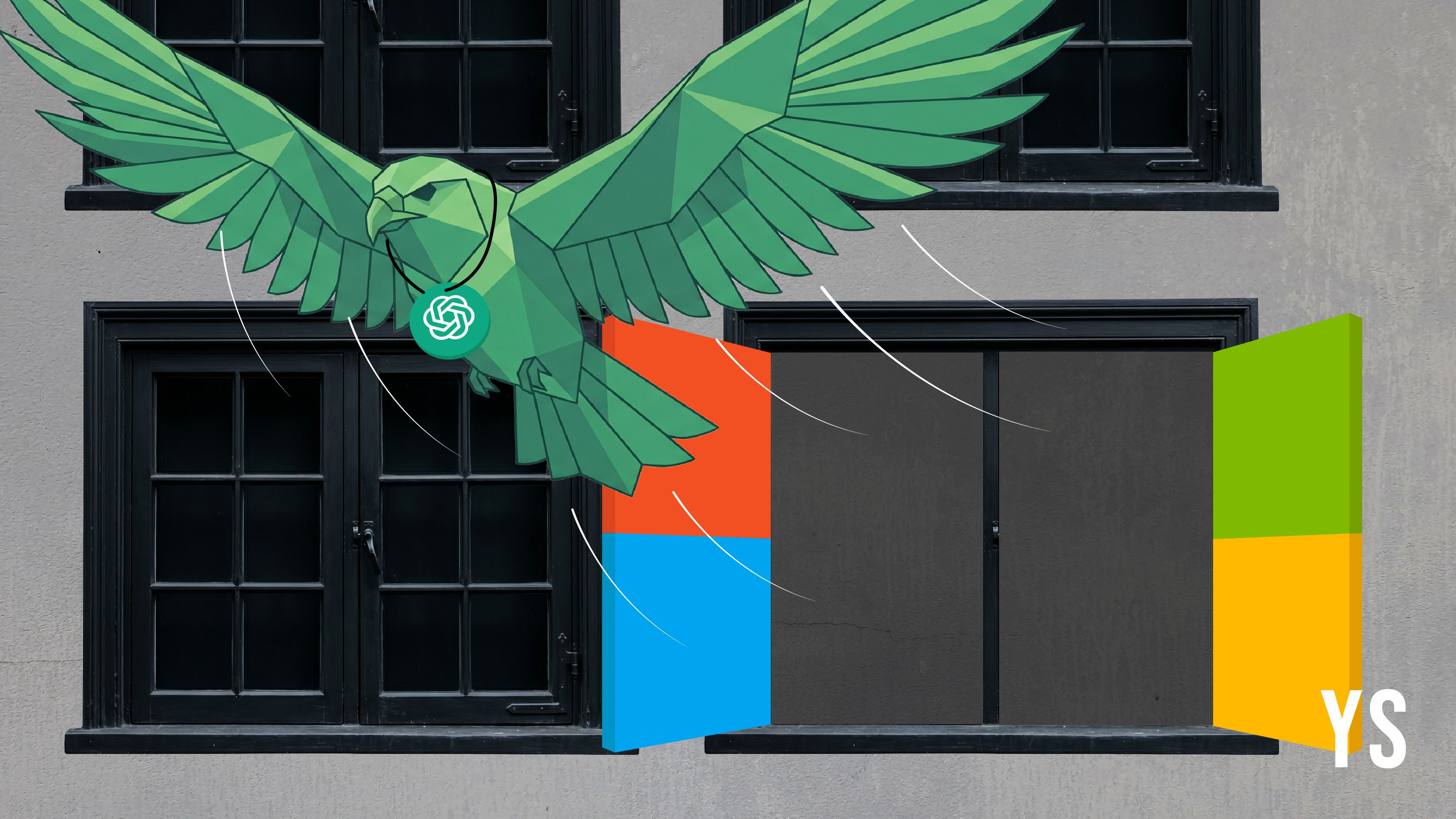
This development represents a definitive Momentum Shift for the global tech ecosystem. The move away from exclusivity is not a sign of weakness, but a calibrated strategy to ensure market resilience. For Pakistan, the path forward is clear: we must pivot away from ecosystem-specific training and toward cloud-agnostic AI architectures. This structural flexibility allows our developers to build tools that are more robust, cost-effective, and independent of any single corporate entity’s policy changes.








