
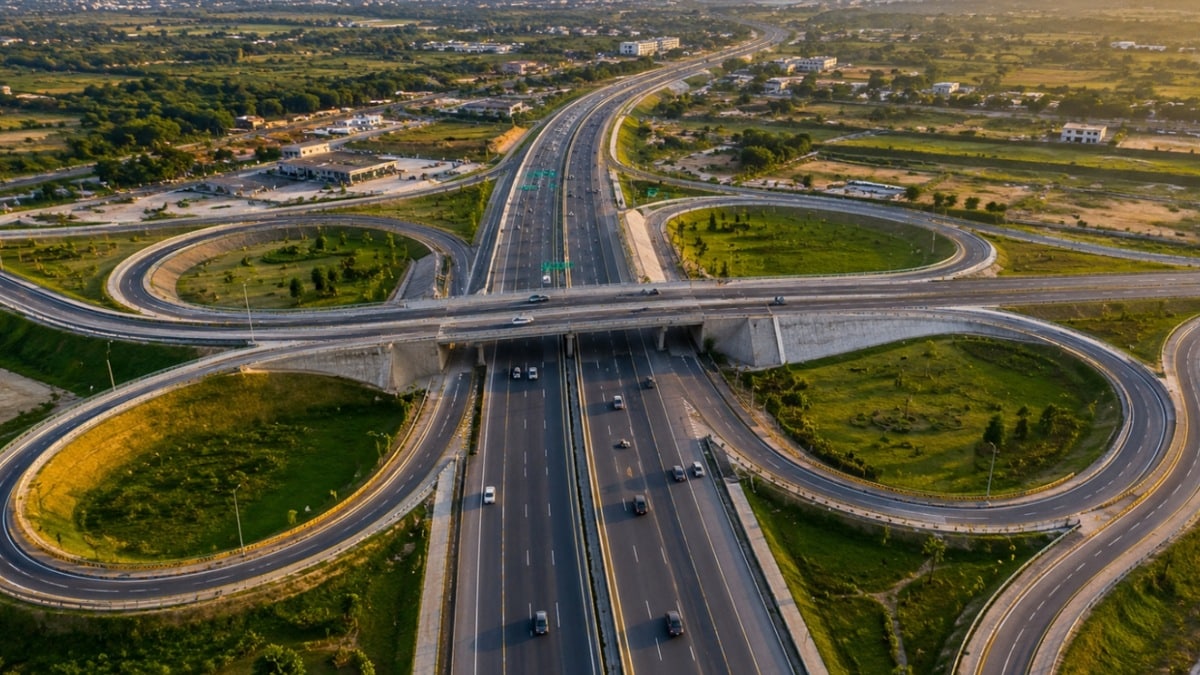
The structural integrity of a nation’s infrastructure is not merely measured by asphalt and concrete, but by the legal and financial precision of its land acquisition frameworks. Currently, despite the physical completion of the 38.5-kilometer project, hundreds of landowners are still navigating significant delays in Ring Road compensation. These citizens strategically supported the project in the national interest, yet authorities have failed to issue formal awards or calibrate the final payment amounts for the acquired kanals.
Analyzing the Delays in Ring Road Compensation Awards
The acquisition affected approximately 200 owners across seven historical settlements, including Mouza Kahi Mirbaz, Khengar Kalan, Hoshial, and Kamalpur. Furthermore, these landowners maintain that they did not oppose the state’s takeover of their property, assuming a streamlined payment process would follow. Consequently, the operational status of the road creates a sharp contrast with the stalled financial settlements, prompting local leaders to demand immediate intervention from the Punjab Chief Minister.
A high-level delegation recently engaged Engineer Qamarul Islam to address these systemic failures. This group, including former local government officials like Zia Mehmood and Raja Ilyas Kayani, highlighted the lack of transparency regarding payment rates. While Engineer Islam assured the delegation that he has forwarded their grievances to the Rawalpindi Commissioner, the landowners have signaled their intent to protest if the government does not resolve the Ring Road compensation bottleneck by August 14.
The Translation: Breaking Down the “Compensation Award”
In the context of large-scale infrastructure, a “Compensation Award” is the official legal document that calculates the precise monetary value of acquired land based on market rates and displacement costs. Without this calibrated document, the government cannot legally release funds. The current stalemate suggests a breakdown in the administrative baseline, where the physical project outpaced the legal documentation required to satisfy the state’s debt to its citizens.
The Socio-Economic Impact: Daily Life in the Settlement Belt
The delay in Ring Road compensation directly destabilizes the financial security of rural households and small-scale farmers in the Rawalpindi outskirts. For many families, these lands were their primary capital assets. Without the expected liquidity, students face disrupted education plans, and professionals cannot reinvest in alternative ventures. This scenario creates a “wealth freeze” that ripple-effects through the local economy, stifling growth even as the new road facilitates regional transit.
- Asset Liquidity: Landowners cannot access the capital value of their seized property.
- Urban-Rural Disparity: Infrastructure serves urban commuters while rural providers bear the financial burden.
- Trust Deficit: Future national projects may face stiffer resistance if this baseline of trust is not restored.
The Forward Path: A Momentum Shift or Stabilization Move?
This development represents a critical Momentum Shift for Pakistan’s infrastructure policy. While the physical delivery of the Ring Road is a catalyst for economic connectivity, the failure to execute the financial component reveals a structural weakness in our administrative precision. To maintain long-term progress, the Punjab government must move beyond verbal assurances. A strategic, time-bound release of the compensation awards is the only way to transform this project from a source of local friction into a true catalyst for national advancement.








